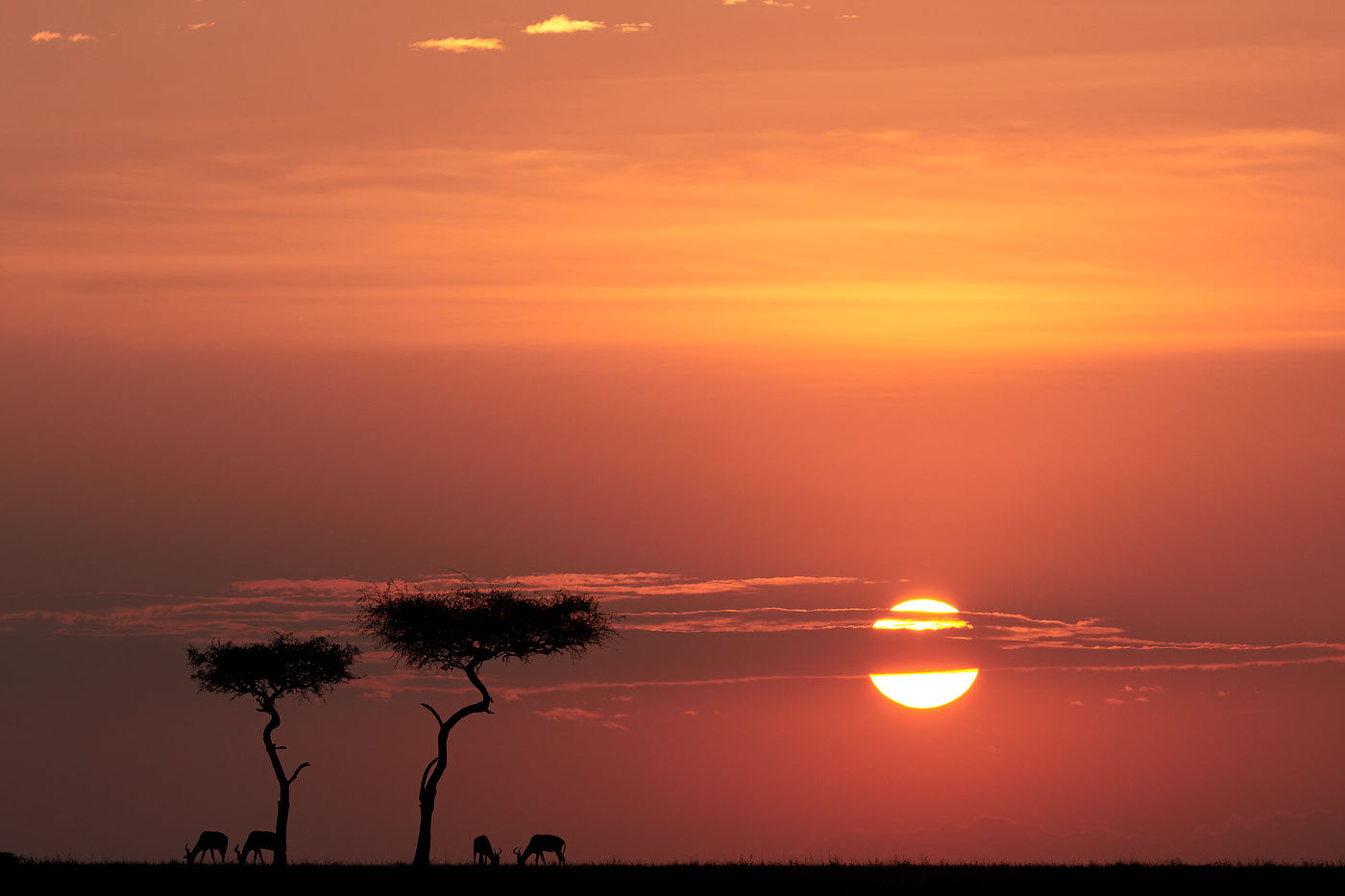
An Exclusive and Affordable Maasai Mara Experience
The Maasai Mara is one of the most iconic and well-known African safari destinations. But what many don’t realize is that some of the most remarkable – and rewarding – safari experiences happen just beyond the borders of the National Reserve, in community-owned conservancies. At Mattikoko, we’re lucky to be located in one of these gems: Lemek Conservancy, a lesser-known but extraordinary corner of the Greater Mara ecosystem.
Lemek Conservancy is part of the wider Mara Conservancies network – an innovative model that balances wildlife conservation with the rights and livelihoods of local Maasai landowners. These conservancies border the Maasai Mara National Reserve and provide vital corridors for wildlife migration, breeding, and survival. Lemek is one of the oldest conservancies in the region and continues to be managed in partnership with local Maasai communities. And unlike the National Reserve, where visitor numbers are higher and off-road driving is restricted, conservancies like Lemek offer a more intimate, flexible, and private safari experience.
Here’s all you need to know about Lemek. (Warning: it might make you want to come and stay.)
Images by Alan Hewitt and Kaleel Zibe
Location and Geography
Lemek Conservancy is a private wildlife sanctuary in Kenya’s Maasai Mara ecosystem, situated in the northern part of the Masai Mara region within Narok County. It lies just west of the Maasai Mara National Reserve, serving as a crucial wildlife corridor. Accessible by road from Nairobi (approximately 200 km away), it’s positioned in the northwest corner of the Mara, bordering areas like Mara North Conservancy. This modest conservancy emphasizes low-density tourism, balancing community needs with habitat protection.
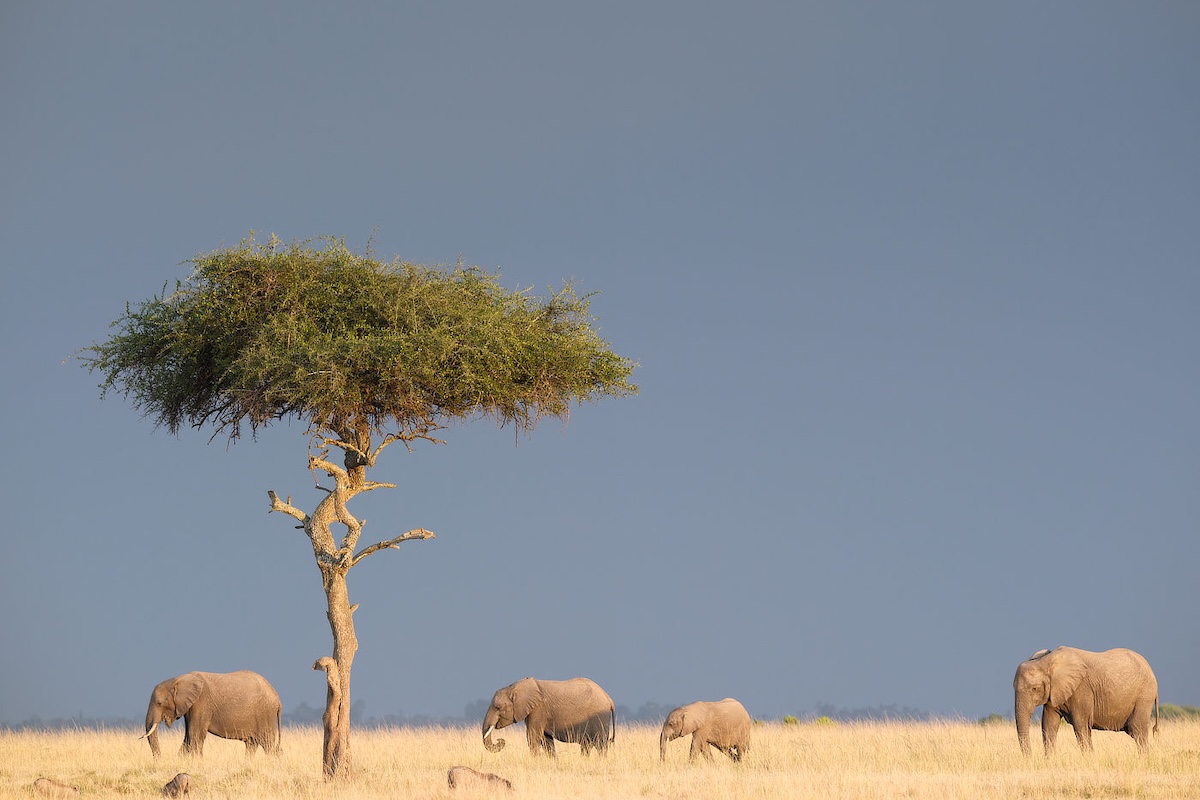
The conservancy covers around 7,600 hectares (approximately 19,000 acres), though some sources note a reduction in size following a merger with adjacent areas like Mara North. Its landscape features open grassland savannahs, dotted acacia trees, and proximity to the Mara River, creating diverse habitats including riverine forests and plains. This terrain supports year-round wildlife activity but can experience human-wildlife conflicts due to its location near Maasai communities.
Conservation Through Collaboration: A Historic Context
Every stay in Lemek contributes directly to conservation. Landowners receive lease payments that discourage destructive land use and incentivize wildlife protection. Portions of camp revenue fund community projects, anti-poaching efforts, and habitat restoration. It’s a system of cooperation that was established in 2009.
Originally part of the larger Lemek-Koiyaki area, Lemek evolved from Maasai-owned group ranches (Koiyaki and Lemek) into a protected zone through partnerships with local communities and operators like Saruni Basecamp. It involves about 500 Maasai landowners, many employed in operations, to promote sustainable land use. Established to address habitat fragmentation, it has faced challenges like downsizing but remains a model for community-led conservation in the Mara ecosystem.
Biodiversity, wildlife, and Conservation
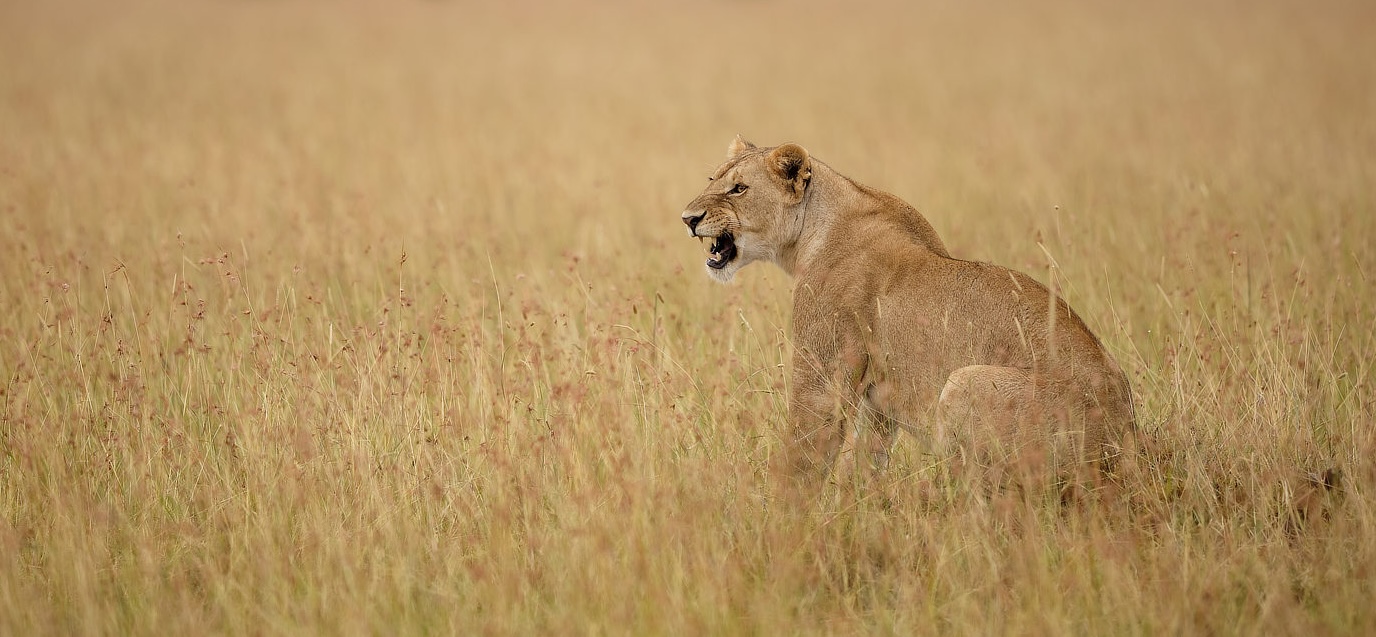
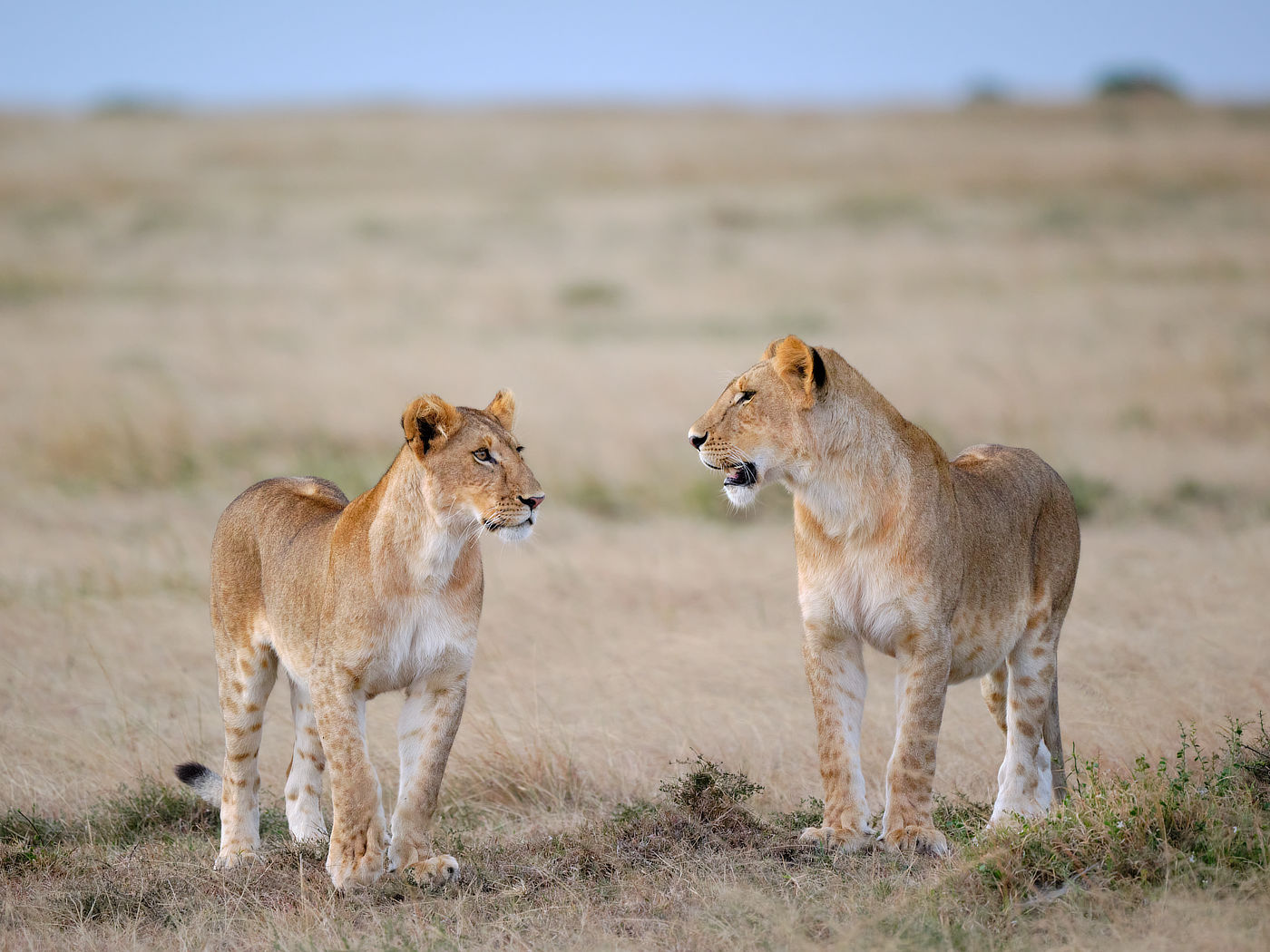
Lemek Conservancy is a microcosm of the greater Mara: open grasslands, acacia woodlands, seasonal rivers, and escarpments. This varied topography supports a diverse range of wildlife, including elephants, lions, leopards, cheetahs, hyenas, wildebeest, zebras, and endangered species like the Maasai giraffe. Big cat sightings are common, with leopards often spotted in riverbank trees and lions in prides across the plains. During the Great Migration (July-October), it provides refuge for migrating herds and predators, though large-scale crossings are less frequent here compared to central Mara areas. Year-round game viewing is strong due to resident populations, with off-road access allowing close encounters in low-crowd settings.
Co-managed by Maasai communities and partners, Lemek focuses on sustainable practices, including anti-poaching patrols, habitat restoration, and wildlife monitoring. In 2024, it banned livestock grazing in core zones, funded by tourism revenue, leading to improved grasslands for wildebeest and reduced overgrazing. This community-driven approach empowers locals, with revenue supporting education, healthcare, and infrastructure while protecting corridors for migration.
Exclusive Game Viewing, Without the Price Tag
One of Lemek’s greatest strengths is its exclusivity. The number of camps is tightly controlled, meaning you won’t have to jostle with dozens of vehicles at a lion sighting. When you go on game drives in Lemek, you can spend golden hours watching elephants at a waterhole or track a cheetah through the grassland with only your guide and a wide-open sky for company.
This low-density tourism model enhances both the guest experience and the environment. Less vehicle pressure means happier animals and a more pristine landscape. And yet, compared to some of the private concessions and high-end lodges inside the Maasai Mara National Reserve, Lemek offers better value for money.
Find out more about the safari experience at Mattikoko
Night Drives and Walking Safaris
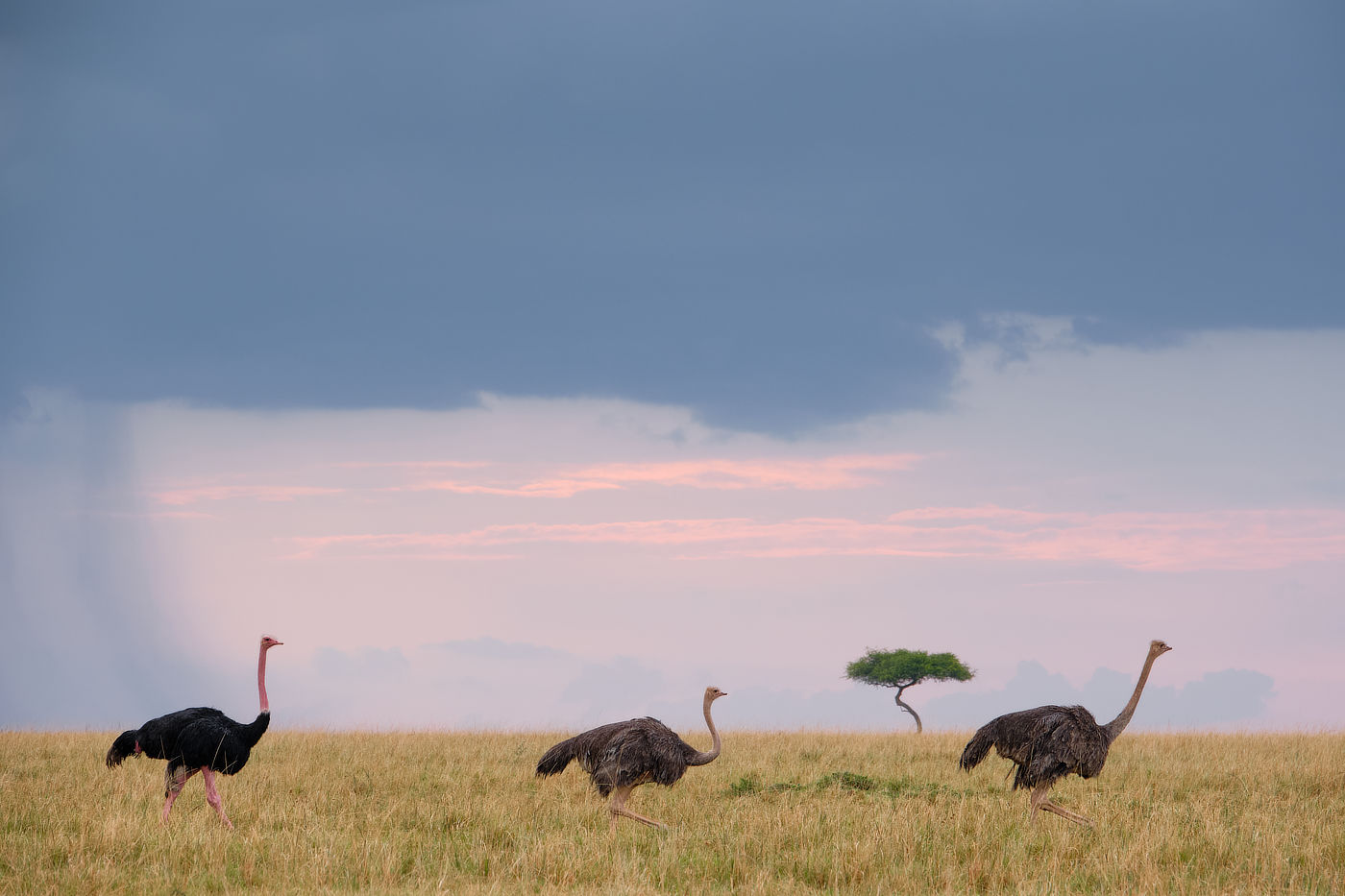
One of the advantages of staying in a conservancy like Lemek is the ability to do activities not permitted in the Reserve. Night game drives allow you to see nocturnal creatures like bush babies, aardvarks, and servals. Guided nature walks – led by experienced Maasai warriors – give you a new perspective on the bush, from animal tracks to medicinal plants. These experiences are often guests’ favorite memories, allowing for slow, thoughtful engagement with the environment.
Guided by Locals Who Call It Home
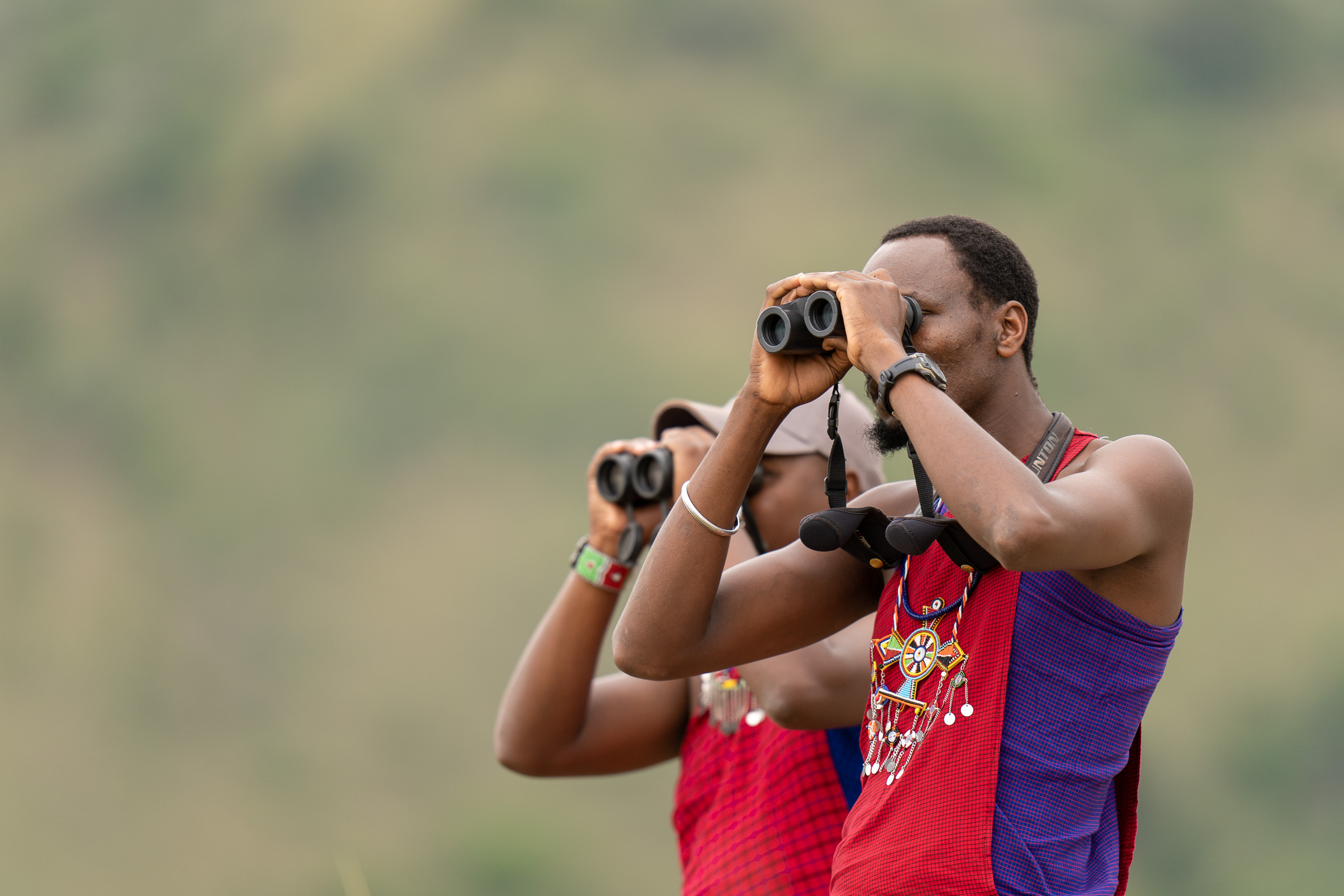
A defining feature of staying in Lemek is the deep involvement of the local Maasai community. At Mattikoko, all of our guides, staff, and management are from the surrounding area. Their knowledge of the terrain, animal behavior, and cultural history is unmatched – and their passion is contagious.
Rather than simply seeing the Mara, guests at Mattikoko understand it. They learn why the wildebeest migrate, how lions interact with their prides, and what traditional stories are tied to the stars overhead. This connection elevates your safari from sightseeing to soul-stirring.
The Future of Safari Lies in Places Like This
As Kenya’s safari industry evolves, conservancies like Lemek represent the future: where wildlife is protected not through exclusion, but through collaboration. Where local communities benefit from tourism, and guests gain a richer, more ethical experience.
At Mattikoko, we believe in this model wholeheartedly. It’s why we built our camp here, and why we invite you to come see what makes Lemek so special.
Find out more about the future of the Maasai Mara conservancies
Why Lemek, Why Now?
- Fewer vehicles, more wildlife: Enjoy unhurried sightings in a pristine, private environment.
- Better value for money: High-quality safaris without luxury price tags.
- Unique experiences: Night drives, walking safaris, and cultural immersion.
- Community benefit: Your stay supports local livelihoods and conservation.
- True connection: Guided by people who belong to the land.
Chat to us to find out more, or to start your booking journey