What a Maasai Mara safari should feel like
The Maasai Mara is one of the most iconic and well-known African safari destinations. But what many don’t realize is that some of the most remarkable safari experiences happen just beyond the borders of the National Reserve, in community-owned conservancies. At Mattikoko, we’re lucky to be located in one of these gems: Lemek Conservancy, a lesser-known but extraordinary corner of the Greater Mara ecosystem.
Lemek Conservancy is part of the wider Mara Conservancies network – an innovative model that balances wildlife conservation with the rights and livelihoods of local Maasai landowners. These conservancies border the Maasai Mara National Reserve and provide vital corridors for wildlife migration, breeding, and survival. Lemek is one of the oldest conservancies in the region and continues to be managed in partnership with local Maasai communities. And unlike the National Reserve, where visitor numbers are higher and off-road driving is restricted, conservancies like Lemek offer a more intimate, flexible, and private safari experience.
Here’s all you need to know about Lemek. (Warning: it might make you want to come and stay.)
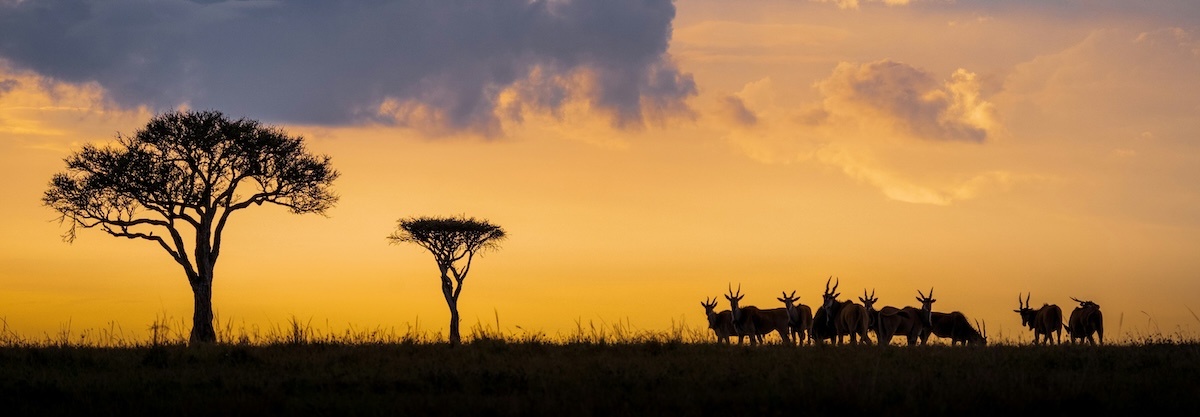
Images by Alan Hewitt and Kaleel Zibe
Location and geography
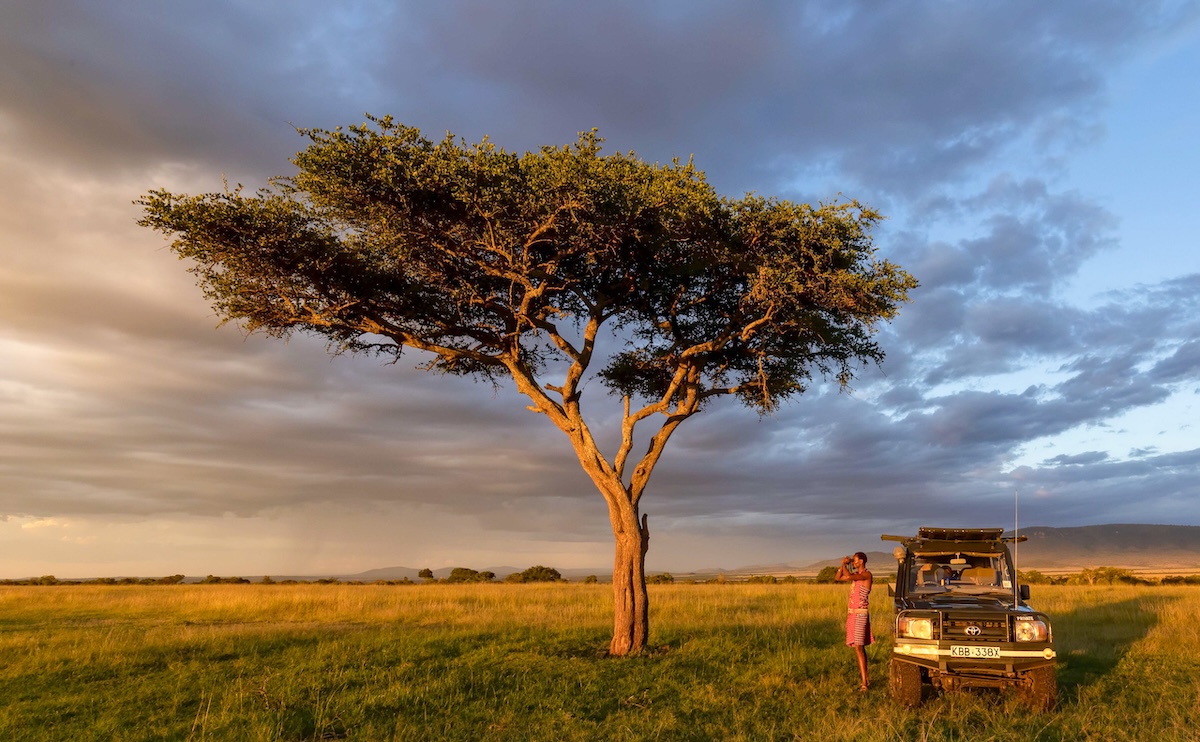
Lemek Conservancy sits in the northwest corner of Kenya’s Greater Maasai Mara ecosystem, within Narok County. It borders the Maasai Mara National Reserve to the east and Mara North Conservancy to the north, placing it at the heart of one of the most wildlife-rich landscapes on earth, while remaining refreshingly removed from the busier corridors of the Reserve.
The conservancy covers around 16,000 acres of varied wilderness: open grassland savannahs, acacia woodland, seasonal rivers, and stretches of riverine forest along the Mara River. This diversity of habitat is one of the reasons wildlife here is so consistently good. Different species thrive in different terrain, and Lemek has all of it – which is why, whether you visit in July or January, there is always something remarkable to find.
Conservation through collaboration
Lemek is one of the oldest conservancies in the Mara ecosystem, and its model is straightforward: Maasai landowners lease their land for conservation and low-impact tourism, receiving direct revenue in return. That income makes wildlife worth more alive than any alternative use of the land – and it has been working here since the conservancy was established in the early 2000s.
Around 500 Maasai landowners are involved in Lemek. Many are employed directly in camp operations and conservation activities, including anti-poaching patrols and habitat monitoring. Every stay contributes to this system: a portion of camp revenue funds community projects (education, healthcare, infrastructure), alongside ongoing conservation work. In 2024, Lemek took the significant step of banning livestock grazing in its core zones, funded entirely by tourism revenue. The grasslands have improved visibly as a result.
As Kenya’s safari industry evolves, conservancies like Lemek represent the future: where wildlife is protected not through exclusion, but through collaboration. Where local communities benefit from tourism, and guests gain a richer, more ethical experience.
Find out more about the future of the Maasai Mara conservancies
Biodiversity and wildlife
Lemek Conservancy is a microcosm of the greater Mara, and its varied landscape – open grassland savannahs, acacia woodland, seasonal rivers, and stretches of riverine forest along the Mara River – means the wildlife here is both diverse and consistently present throughout the year.
The big cats are Lemek’s headline act. Lions are seen regularly, moving in prides across the open plains or resting in the shade of acacia trees in the heat of the day. Leopards favour the riverine forest, and patient game drives along the treelines often reward with a sighting. Sometimes a leopard draped across a branch overhead, sometimes just the flick of a tail disappearing into the undergrowth. Cheetahs have the open grassland they need to hunt, and Lemek’s low vehicle density means that when you find one mid-chase, you’re unlikely to be sharing the moment with a convoy of other vehicles.
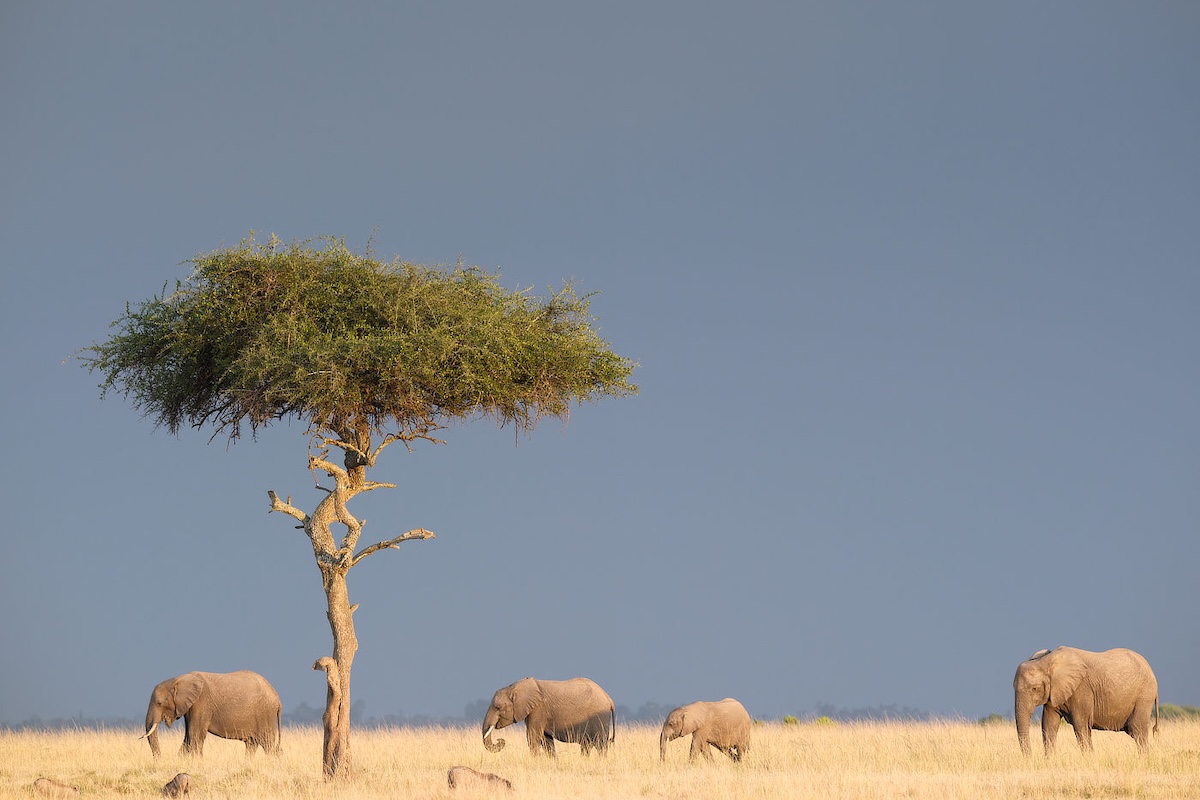
Elephants are a constant presence, as Lemek sits within a well-travelled elephant corridor, and encounters can be extraordinary, from lone bulls to large family herds moving through camp in the early morning. Giraffes move through the acacia woodland with an unhurried elegance that never quite gets old. Zebras, topi, impala, and Thomson’s gazelle populate the plains year-round, and hyenas (often underrated as a sighting) are highly active around the conservancy, particularly at dawn and dusk.
Top five wildlife encounters to expect on a safari in Lemek →
The Mara River, which borders part of the conservancy, brings its own cast of characters: Nile crocodiles, hippo pods, and the extraordinary waterbird life that congregates along its banks. For birdwatchers, Lemek is exceptional — lilac-breasted rollers, secretary birds, martial eagles, and over 400 species recorded across the ecosystem.
During the Great Migration (July–October), the plains around Lemek fill with wildebeest and zebra moving through the conservancy, drawing predators in from across the ecosystem. It is one of the most dramatic periods of the year — but it is worth repeating that Lemek’s wildlife is remarkable in every month, not just during migration season.
Read about how to avoid crowds during the Great Migration →
Find a complete guide to the Great Migration→
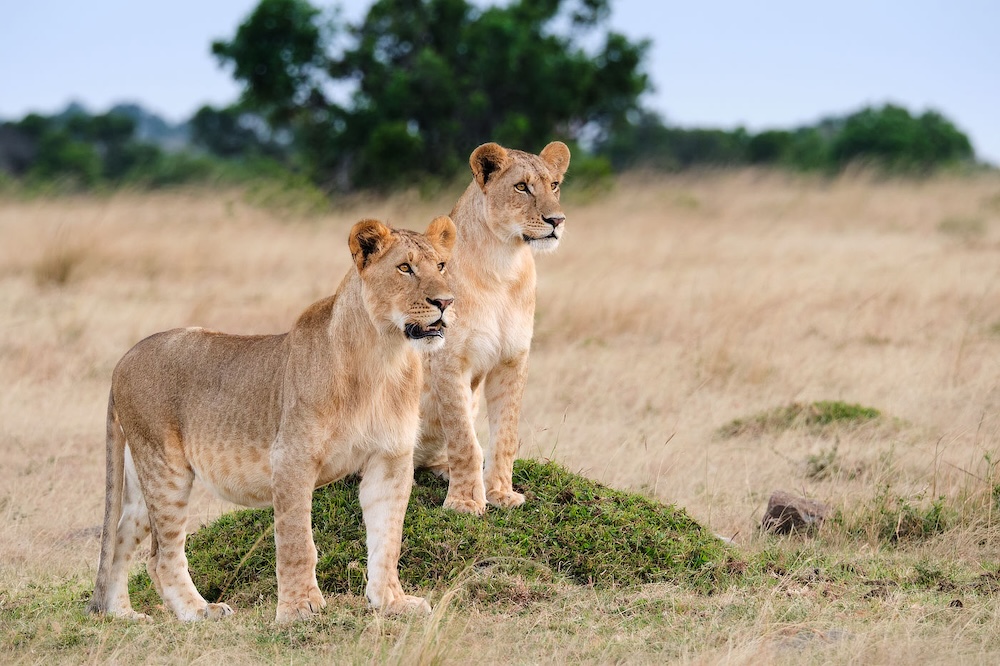
Out in the field: the Lemek game drive experience
The thing that elevates a game drive in Lemek above almost anywhere else in the Mara is space. Because the number of camps in the conservancy is strictly controlled, vehicle numbers on any given morning are a fraction of what you’ll find in the National Reserve. There are no convoys. When you find a leopard in a tree or a cheetah beginning a hunt, the moment belongs to you, not to a rotating queue of vehicles competing for position. That kind of stillness changes everything about how you experience wildlife.
Lemek also permits off-road driving, which the National Reserve does not. This is a significant practical advantage: it means your guide can follow an animal’s movement rather than watching it disappear into the bush from a fixed track. It means getting closer, staying longer, and seeing behaviour that road-bound vehicles simply miss.
Beyond the standard game drive, staying in a conservancy unlocks experiences that are not available inside the Reserve. Night drives open up an entirely different cast of characters; bush babies, aardvarks, servals, porcupines, and the eyes of a hundred creatures reflecting back in the dark. Guided walking safaris, led by Maasai guides who have tracked animals across this land their whole lives, bring you into contact with the bush at ground level: animal tracks, medicinal plants, the sounds and smells of the savanna without a vehicle between you and it. These are often the experiences guests talk about most when they get home.
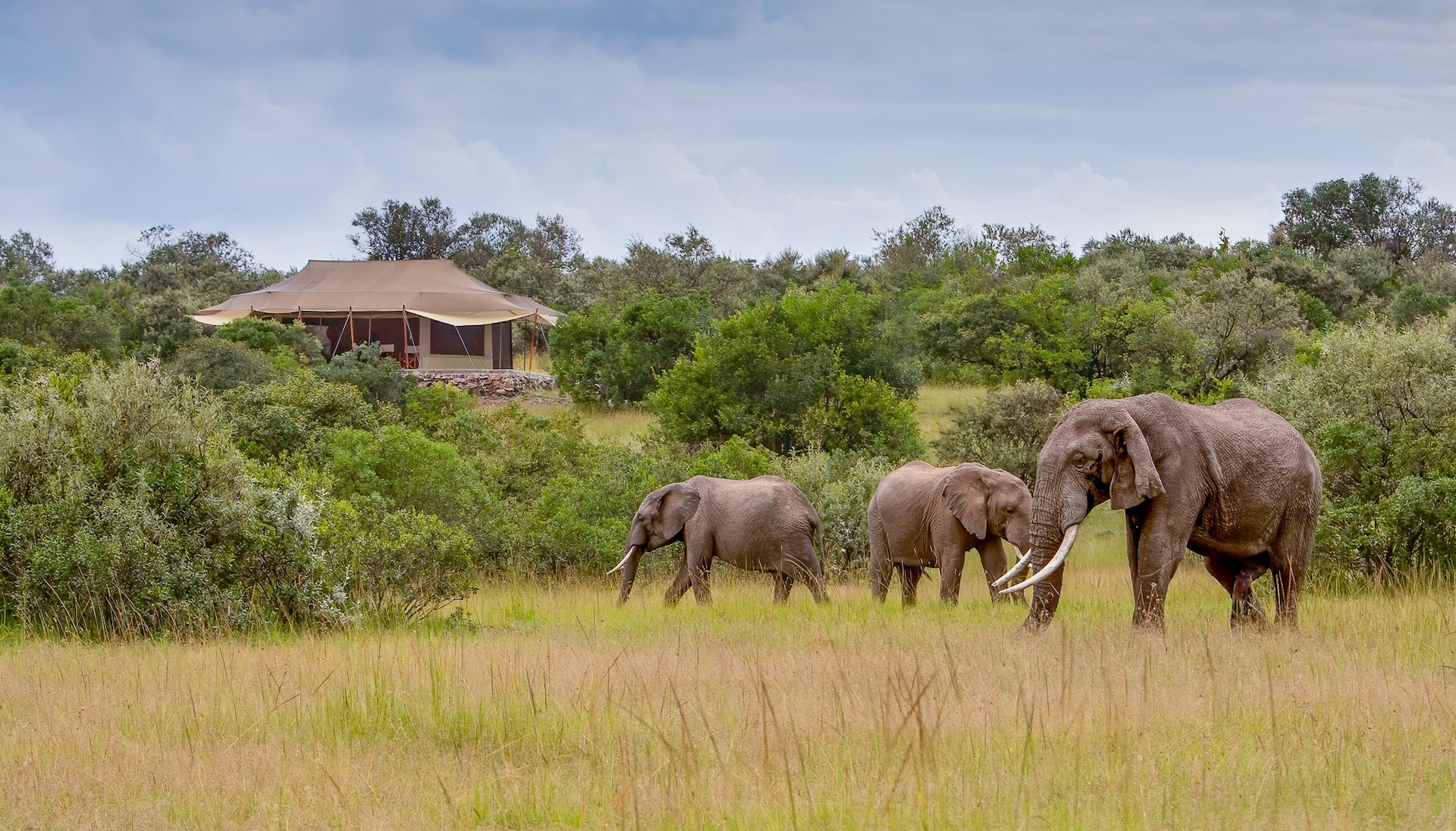
Where to stay in Lemek
The number of camps permitted to operate in Lemek is deliberately small, and Mattikoko is one of them. A Maasai-owned tented camp set in the heart of the conservancy, it offers an affordable base for experiencing everything Lemek has to give – without the premium price tag that comes with comparable experiences in the Reserve or high-end concessions.
Mattikoko’s tents are simple, comfortable, and positioned to make the most of the landscape around them. The camp is run by Titimet Nampaso, one of only 22 Gold Standard safari guides in Kenya, alongside a team drawn entirely from the local Maasai community. Game drives, walking safaris, night drives, and cultural experiences are all arranged from camp, and because Mattikoko guests have access to Lemek’s exclusive game-viewing areas, every drive goes out without the vehicle congestion that increasingly affects the National Reserve.
Find out more about the camp → View rates and availability →
Guided by local experts
A defining feature of the Lemek conservancy model is the direct involvement of the local Maasai community, not just as landowners, but as guides, staff, and camp operators. At Mattikoko, everyone from the owner to the field guides is from the surrounding area, bringing knowledge of this landscape that goes well beyond formal training.
For guests, this makes a tangible difference. The guides who grew up here read the bush differently; tracking animals, anticipating movement, and sharing the kind of cultural and ecological detail that turns a game drive into something more lasting.
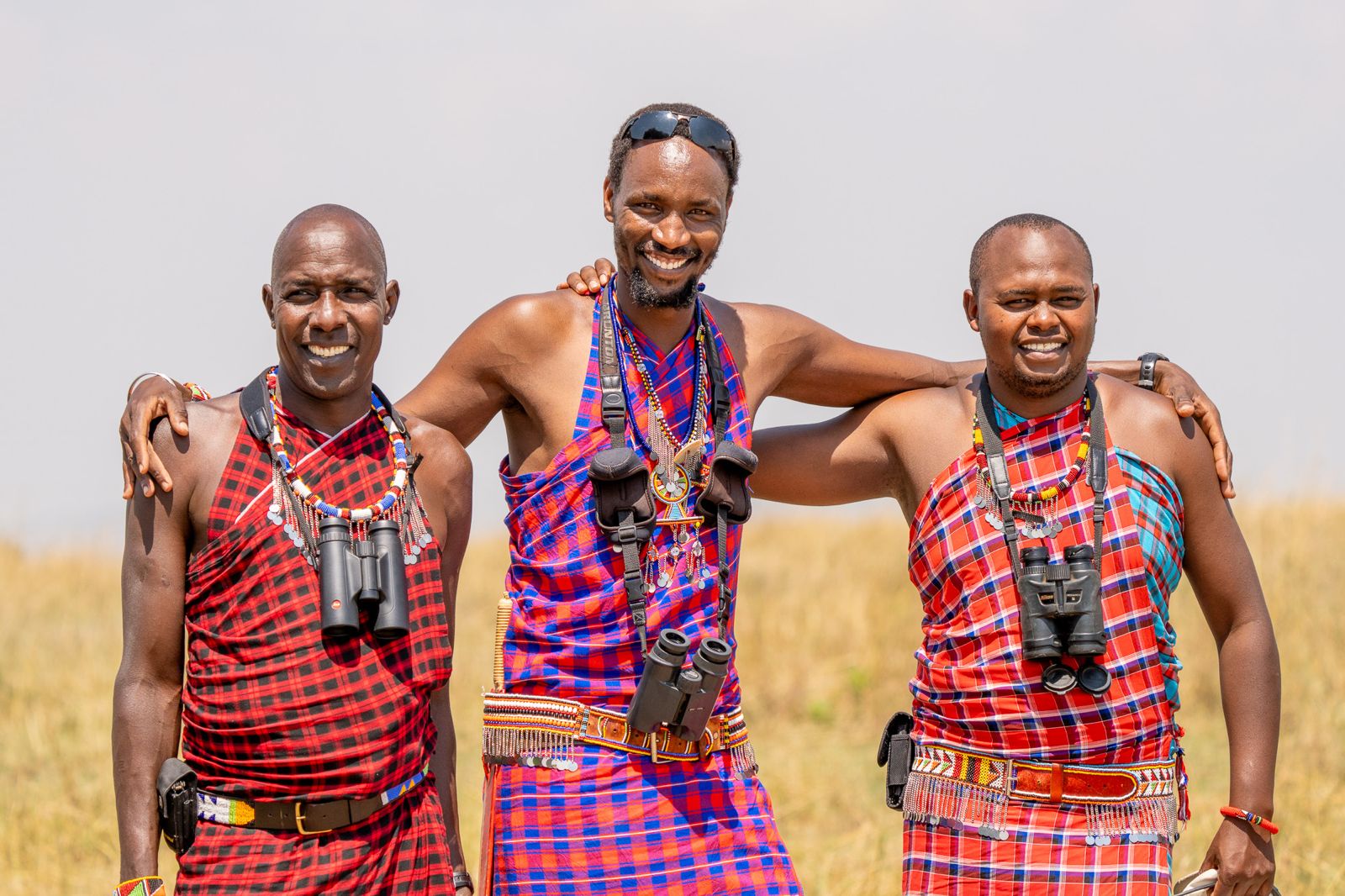
A different kind of Maasai Mara safari
The Maasai Mara deserves to be experienced properly — with room to breathe, a guide who genuinely knows the land, and the knowledge that your visit is doing some good while you’re here. That’s what Lemek offers, and it’s what Mattikoko was built around. Whether you’re planning your first safari or your fifth, we think this corner of the Mara will stay with you.
If that sounds like the kind of safari you’re looking for, we’d love to have you.