Timing, River Crossings, and What to Expect from Lemek
Every year, roughly 1.5 million wildebeest make their way north from Tanzania’s Serengeti into the Maasai Mara. They bring with them hundreds of thousands of zebra and gazelle, and behind them, the predators that have followed this movement for millennia. It is the largest overland migration of animals on earth, and it plays out across the same landscape that surrounds Mattikoko.
This guide covers everything you need to know: what the migration actually is, when it happens, what you can realistically expect to see – and what makes experiencing it from Lemek Conservancy different from the crowds elsewhere in the Mara.
What is the Great Migration?
The Great Migration is a continuous, circular movement of wildlife between two ecosystems: the Serengeti in Tanzania and the Maasai Mara in Kenya. It follows the rains, and the grass that grows after them.
Wildebeest, zebras, and gazelles are highly attuned to rainfall patterns. As the dry season takes hold in the Serengeti, the herds begin moving north and west in search of fresh grass. By the time they reach the Maasai Mara, usually from July onwards, the Kenyan savanna is at its greenest. They graze, they calve in the south, they move, they cross rivers. Then, as the rains return to Tanzania around November, the cycle reverses.
It is called “the greatest wildlife show on earth” for good reason – but it is not a single event. It is a season-long unfolding, and understanding that makes the difference between a rushed visit and one that genuinely delivers.
The annual cycle: month by month
The migration is happening somewhere in the ecosystem at every point of the year. Here is a broad guide to the cycle from a Maasai Mara perspective.
January – March: calving season in the Serengeti The herds are in Tanzania’s southern Serengeti plains. This is wildebeest calving season; roughly 500,000 calves are born in a concentrated period, one of nature’s most spectacular events. Zebras, which travel alongside the wildebeest throughout the migration cycle, are also present in vast numbers on the southern plains at this time, along with Thomson’s and Grant’s gazelles grazing the short-grass savanna. Witnessing this requires a separate Serengeti trip, but it is extraordinary.
April – May: the long rains The herds begin moving northwest through the Serengeti. Wildebeest and zebras travel together – a relationship that is more than coincidental. Zebras eat the long, coarse grass first, leaving behind shorter, more nutritious growth that wildebeest prefer. It is a genuine ecological partnership, and it shapes the entire direction of the migration. This period coincides with Tanzania’s long rains and is generally considered low season for Mara visitors, though the landscape is lush and wildlife in Lemek remains excellent year-round.
June – July: the herds approach By June, the front of the migration is building toward the Kenya border – wildebeest in their hundreds of thousands, zebras moving with them, gazelles following in their wake. Early arrivals begin appearing in the Greater Mara ecosystem from late June or early July, and the anticipation is palpable. July is when things start to get serious in Lemek: herds build on the plains, predator activity intensifies, and the chances of extraordinary game drives increase week by week.
August – September: peak season This is the heart of migration season in the Maasai Mara. The plains fill with wildebeest and zebra, moving, grazing, and gathering at the river. Gazelles are everywhere on the open grassland, attracting cheetahs in particular, as these cats are built for open-country hunting, and migration season, with its abundance of prey and distracted predators focused on the big herds, is one of the best times to watch them hunt. River crossings at the Mara River are most frequent. Predator sightings (lions hunting on the move, leopards opportunistic in the riverine forest) are at their peak. If you can only visit once during migration season, August and September represent your best odds of everything happening at once.
October: the return begins By October, the rains are returning to Tanzania. The wildebeest begin moving south, with zebras leading the way back, just as they led the way north. Crossings still happen, but the intensity begins to ease. Gazelles linger longer on the Mara’s grasslands as the big herds thin out. Late October can still be spectacular, and comes with noticeably thinner crowds than peak August.
November – December: the Mara quiets The bulk of the herds have returned south. Lemek’s resident wildlife remains in abundance – lions, leopards, cheetahs, elephants, giraffes, zebras that have stayed behind, and year-round gazelle populations. The Mara is never empty, and these months offer some of the most rewarding and unhurried game drives of the year.
River crossings: the moment everyone wants to see
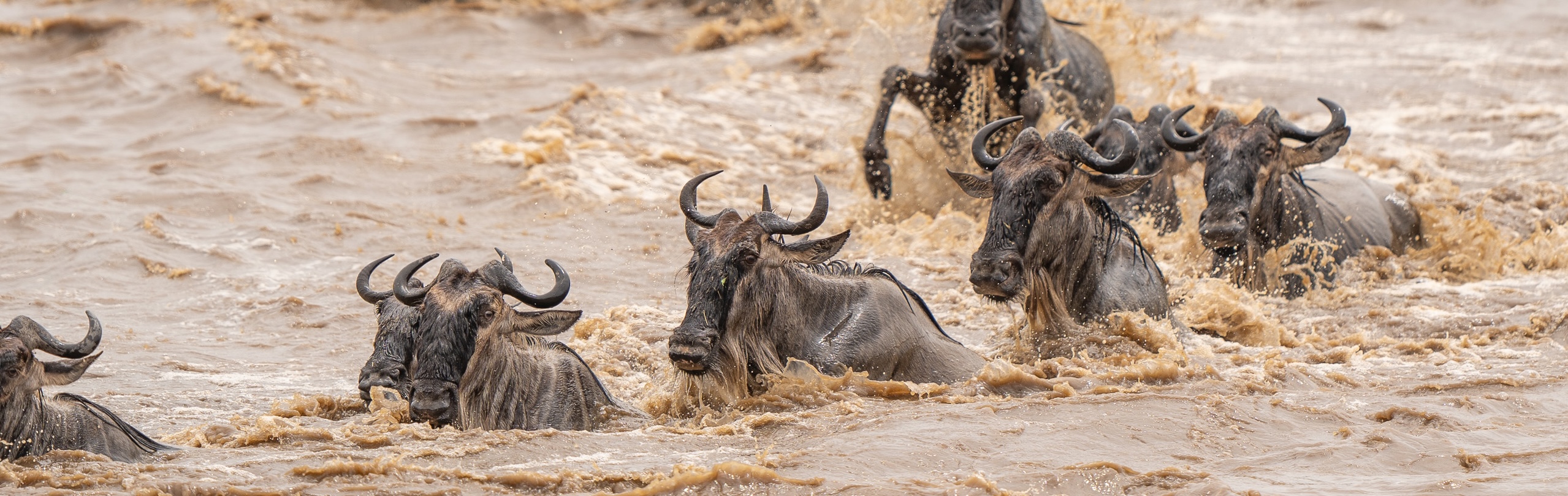
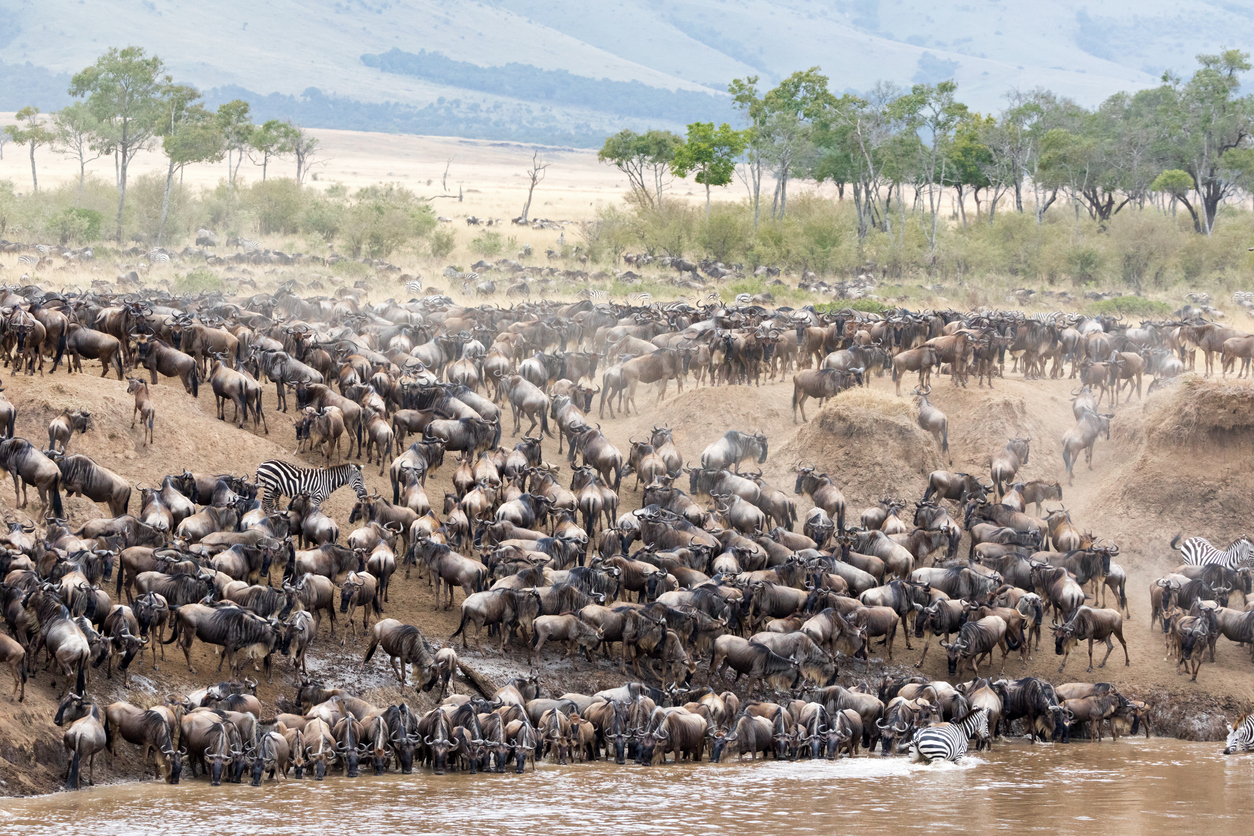
The Mara River cuts across the migration route, and it is here that the most dramatic scenes unfold. Wildebeest gather in their thousands at crossing points, while Nile crocodiles wait in the water below. When a crossing begins, the chaos is unlike anything else in the natural world.
Crossings cannot be scheduled. They are triggered by the behaviour of the herd, the water levels, the weather, the presence of predators, and something instinctive that no one fully understands. An experienced guide who knows the river well, who has watched hundreds of crossings and understands the signs that one is coming, makes an enormous difference to your chances of witnessing one.
At Mattikoko, our team have guided guests to river crossings across many seasons. From Lemek, full-day drives into the Maasai Mara National Reserve, where the main crossing points are located, can be arranged. These are long days, and they require patience. But when the crossing comes, the wait dissolves instantly.
Note: National Reserve entry fees apply on these days and are not included in the standard camp rate.
The migration through Lemek Conservancy
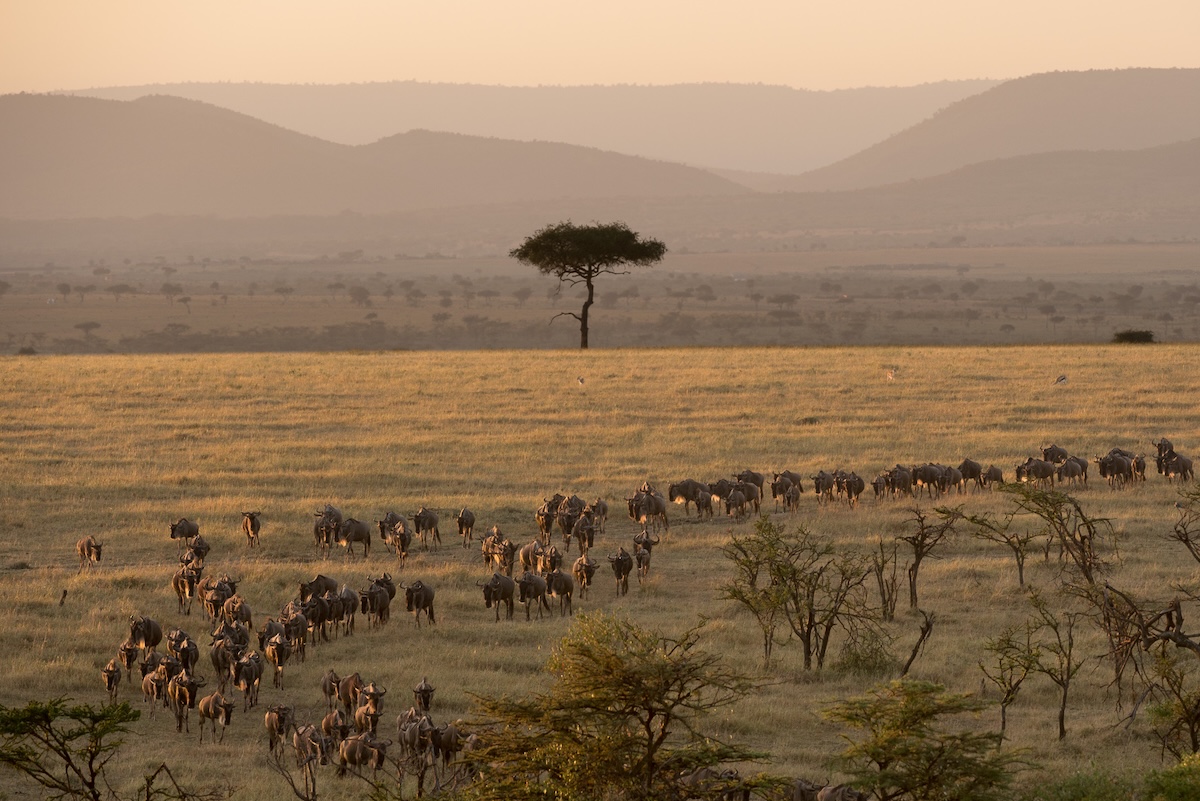
The migration does not stop at the boundary of the National Reserve. As the herds move through the Greater Maasai Mara ecosystem, they pass through Lemek Conservancy. And during peak season, that means the migration comes to you.
This is one of Lemek’s most underappreciated advantages. While visitors in the Reserve are crowded around the main crossing points, guests in Lemek are watching wildebeest pour across the open plains around the camp, with lions and cheetahs moving alongside them. It is a more intimate version of the same spectacle, without the vehicle congestion that can undermine the experience in the busiest parts of the Mara.
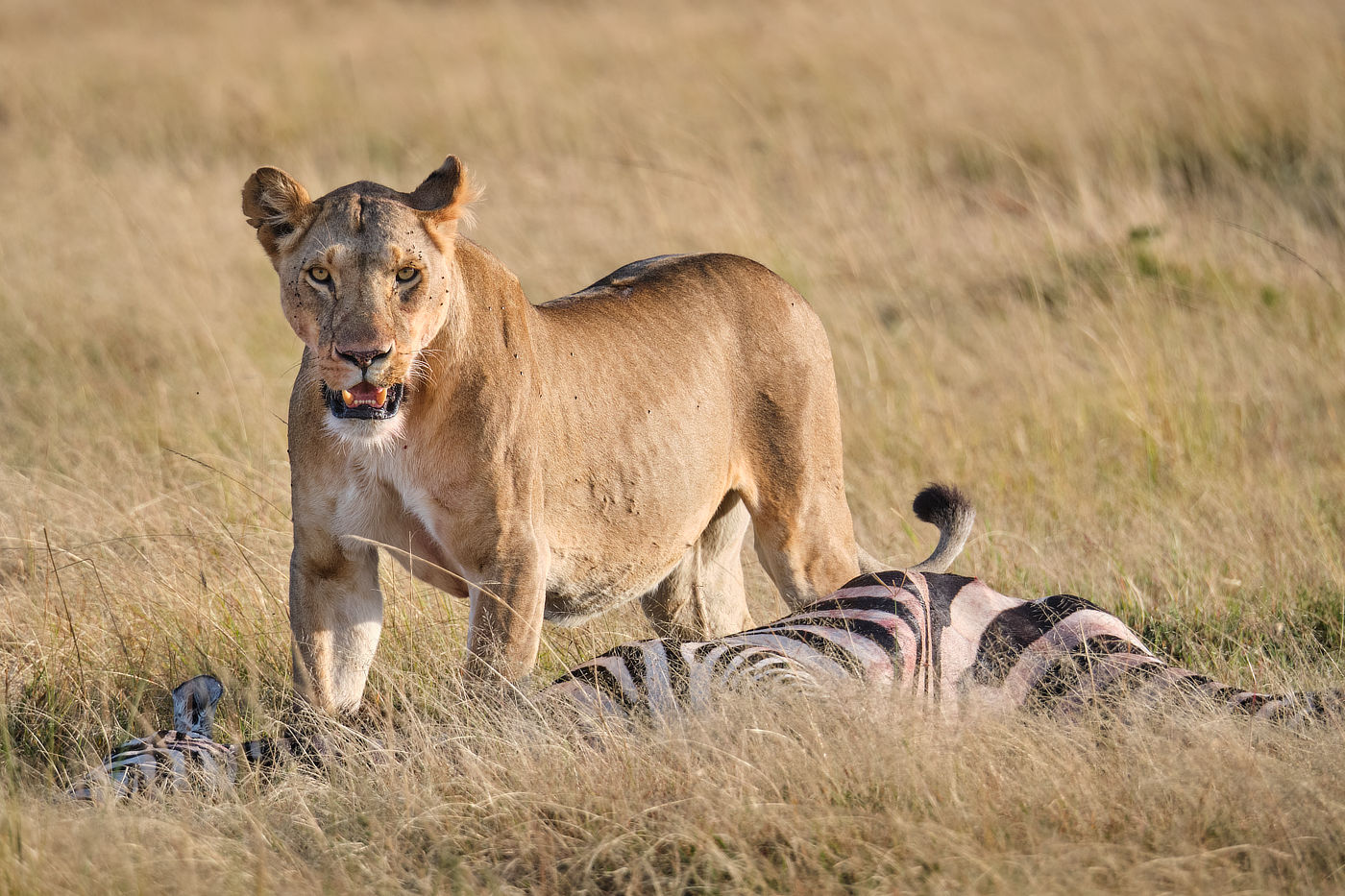
Big cat sightings during migration season in Lemek are exceptional. The arrival of the herds draws in predators from across the ecosystem. Lions that are normally territorial begin ranging more widely. Cheetahs have open, prey-rich grassland to hunt. Leopards, always present in Lemek’s riverine forest, have more to work with. It is one of the best times of year to see all three big cats in a single day.
Read wildlife photographer Alan Hewitt’s insights on how to avoid crowds in the Maasai Mara
What if I miss the migration?
The Maasai Mara is not a destination that depends on the migration to deliver. Lemek’s resident wildlife is exceptional year-round, and some of the most memorable safaris happen outside peak season, when the landscape is different, the crowds are thinner, and the experience feels more private.
When Is the Best Time to Visit the Maasai Mara?
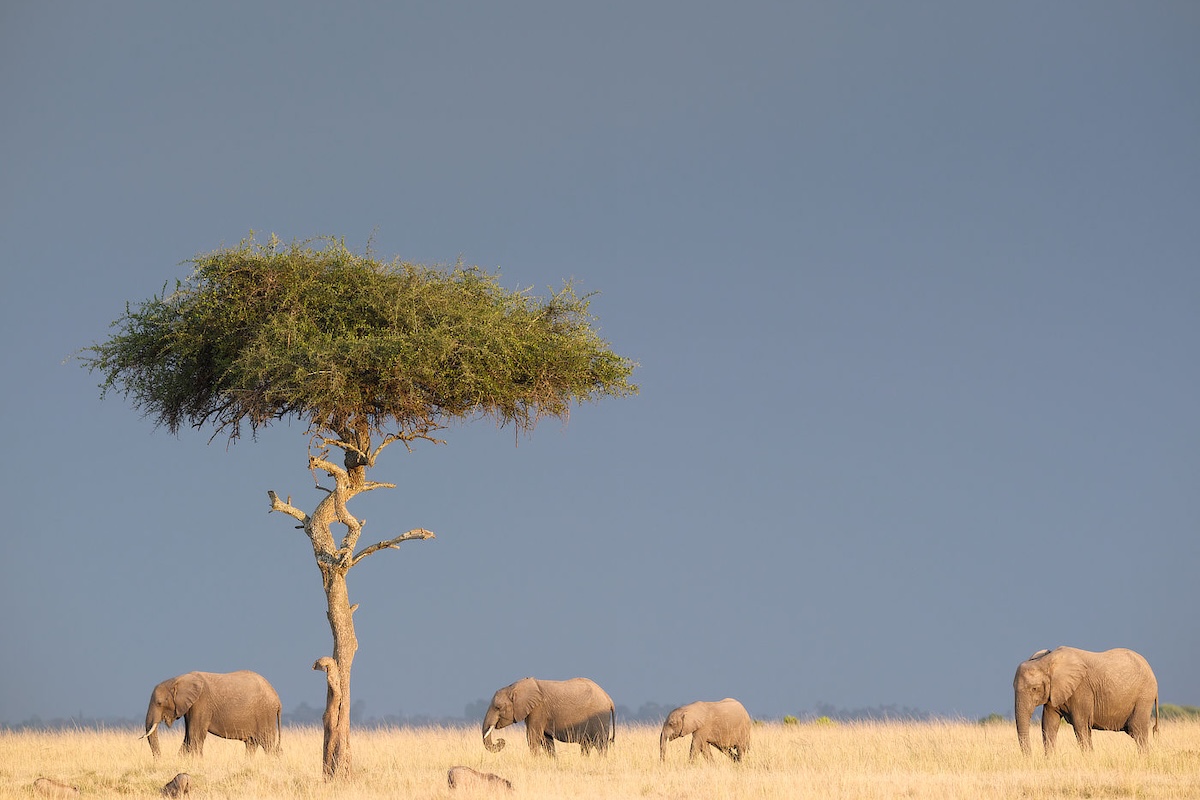
The big cats are in Lemek every month of the year. Elephants, giraffes, zebras, hyenas, and hundreds of bird species don’t follow the wildebeest – they live here. Game drives in January feel very different from game drives in August, but neither is less remarkable. Some guests return specifically during the green season, when the landscape is transformed and the wildlife viewing comes with far fewer vehicles.
Experiencing the migration from Mattikoko
Mattikoko is a Maasai-owned tented camp in the heart of Lemek Conservancy. It is one of a small number of camps in the conservancy, which keeps vehicle density low and the experience genuinely private. During migration season, the camp fills quickly, so if July through October is your target window, early booking is strongly recommended.
Moses Titimet Nampaso, one of only 22 Gold Standard safari guides in Kenya, leads game drives during peak season with a focus on finding the migration where it is happening, not where the maps say it should be. That knowledge, built over decades in this ecosystem, is what turns a good safari into a great one.
A Guide to Lemek Conservancy
Planning your migration safari: practical notes
When to book: Migration season camps fill months in advance. July–September is the most sought-after window. If you have flexibility, early July and late September offer a strong balance of migration activity and thinner crowds.
How long to stay: A minimum of four nights gives you enough time to see the migration build, experience different game drives, and (with luck) catch a river crossing day. Seven nights or more is ideal — the longer you’re here, the more the Mara reveals.
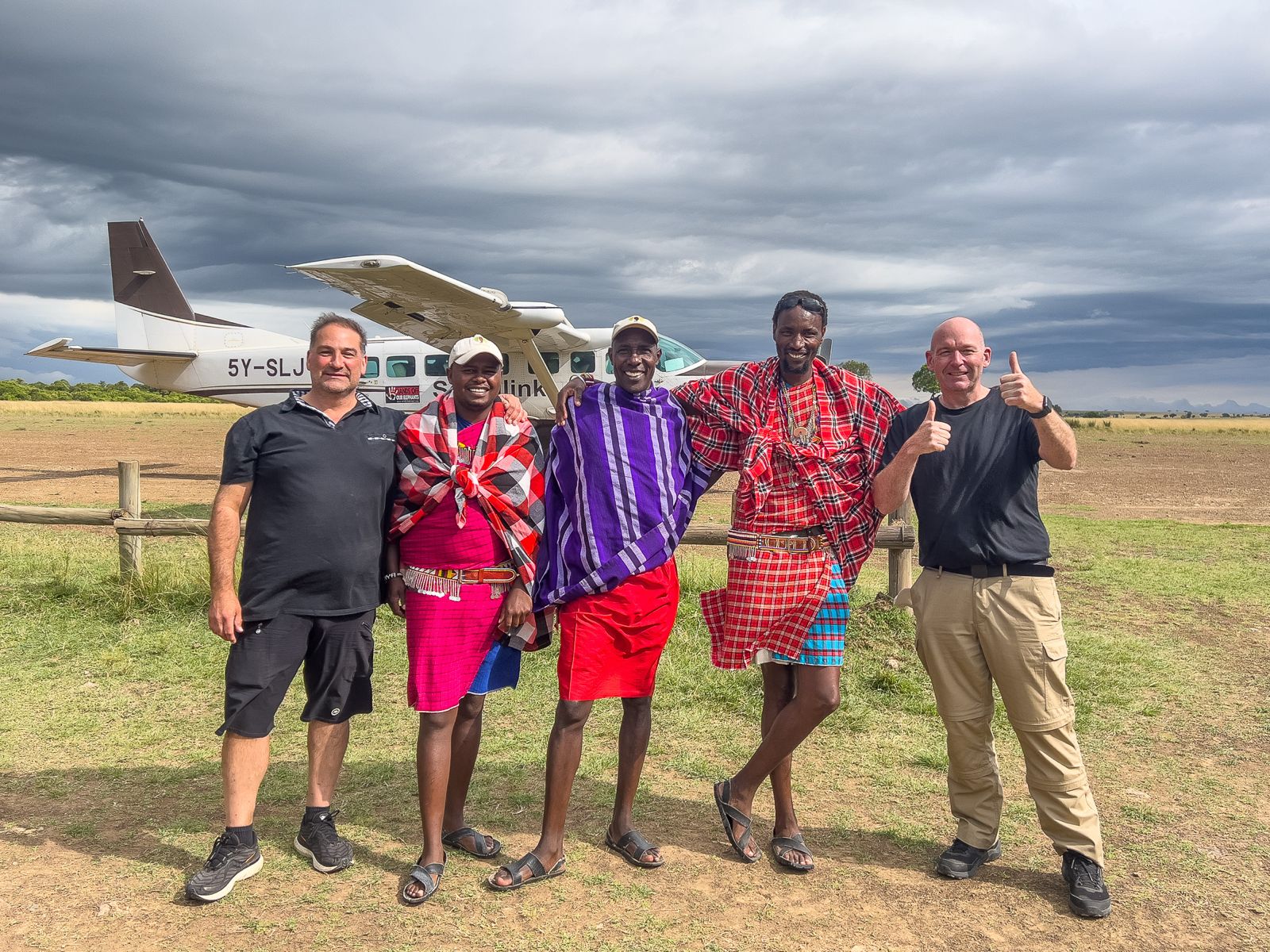
Getting here: Lemek Conservancy is accessible by light aircraft to nearby airstrips or by road transfer from Nairobi. Mattikoko can arrange transfers on request.
How to Get to Lemek Conservancy
Ready to plan your Great Migration safari?
The migration is one of those experiences that people talk about for the rest of their lives. Call us biased, but seeing it from Lemek, away from the congestion of the main reserve, guided by people who were born in this ecosystem, is as good as it gets.