
When to take your family on a Maasai Mara Safari
It is one of the most common questions we hear from people planning a family safari: how old do the children need to be? The honest answer is that there is no single right answer, but there are some guidelines we can offer. Age matters less than most people assume, and the factors that actually determine whether a child is ready for safari are more specific and more interesting than a number.
Why age isn’t the whole story
A seven-year-old who is patient, curious, and comfortable with early mornings and long drives will have a more rewarding safari than a twelve-year-old who finds sitting still difficult and has no particular interest in animals. The question isn’t really about age – it’s about temperament, interests, and what kind of experience you’re looking for as a family. That said, age does bring some practical considerations worth thinking through.
Very young children: under five
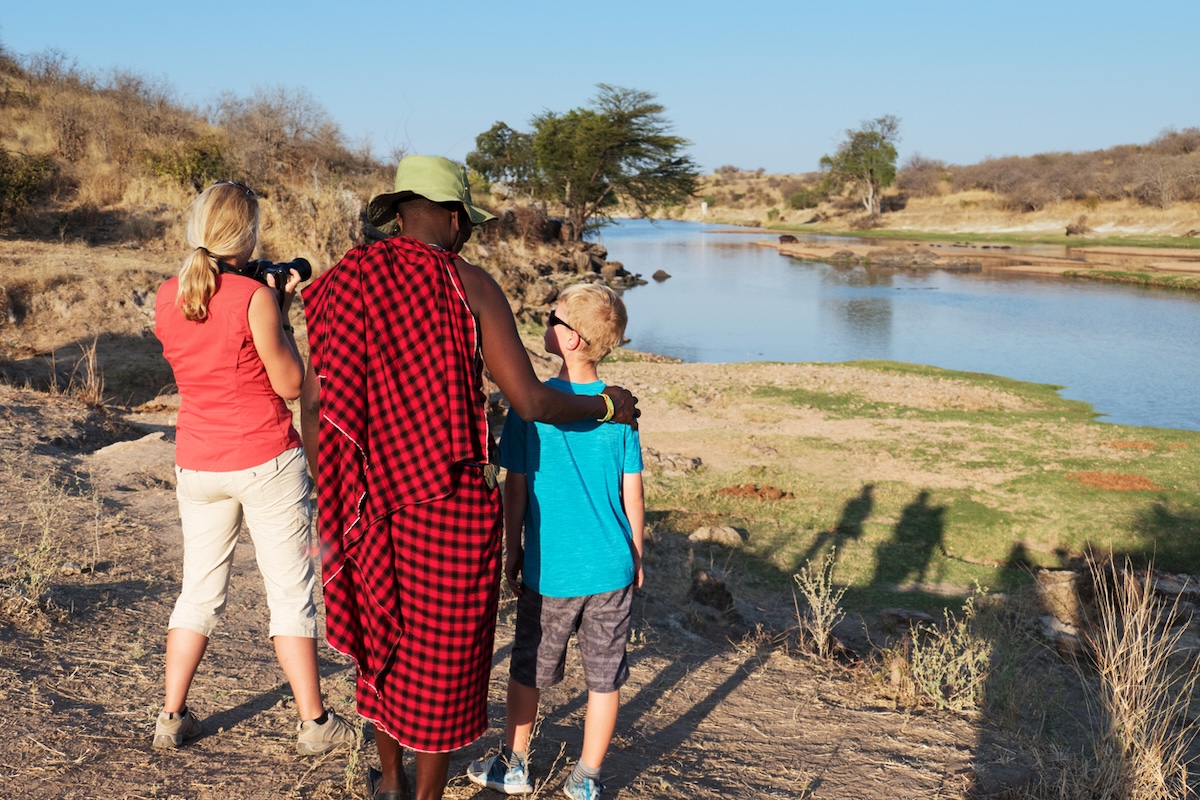
Children under five are welcome at Mattikoko, and at this age they stay free. The practical reality, though, is that a very young child will experience safari very differently from an older one.
Toddlers and infants won’t remember the specific wildlife encounters in the way older children will. What they will absorb is the sensory experience: the smell of the bush, the sounds of the night, the feeling of being somewhere completely different from home. Children raised with early exposure to the natural world tend to carry that connection forward. The safari doesn’t have to be remembered in detail to matter.
The main practical consideration with very young children is the physical reality of game drives – the early starts, the time in the vehicle, the absence of conventional distractions. That’s why it’s good to make sure that the lodge or camp you book offers tailored, family-friendly game drives that will work for you little ones. It’s worth asking the right questions.
Five to ten: the sweet spot for many families
This is the age range that consistently produces the most enthusiastic young safari-goers. Children in this window are old enough to genuinely engage with what they’re seeing, to understand the difference between a pride of lions and a solitary male, to ask detailed questions, to feel genuine excitement that builds and accumulates over a multi-day stay.
At Mattikoko, children between five and fourteen are charged at 50% of the adult rate. The guides are experienced at pitching the experience to this age group; explaining animal behaviour in ways that land, turning a sighting into a story, involving children in the process of tracking and looking rather than just waiting to be shown something.
This is also the age at which the cultural dimension of staying at a Maasai-owned camp becomes particularly meaningful. Meeting Titimet and the team, understanding something about how and why they live the way they do, asking questions about the animals and the land. These are experiences that complement what children learn in school in ways that textbooks simply cannot replicate.
Teenagers
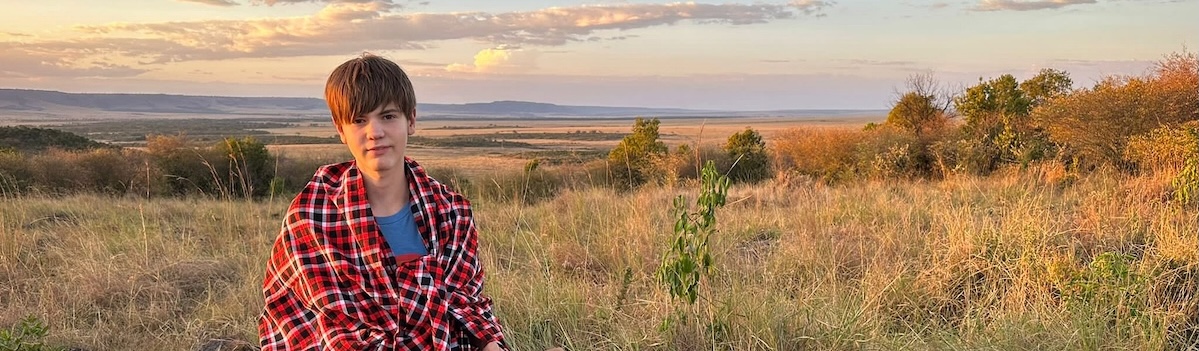
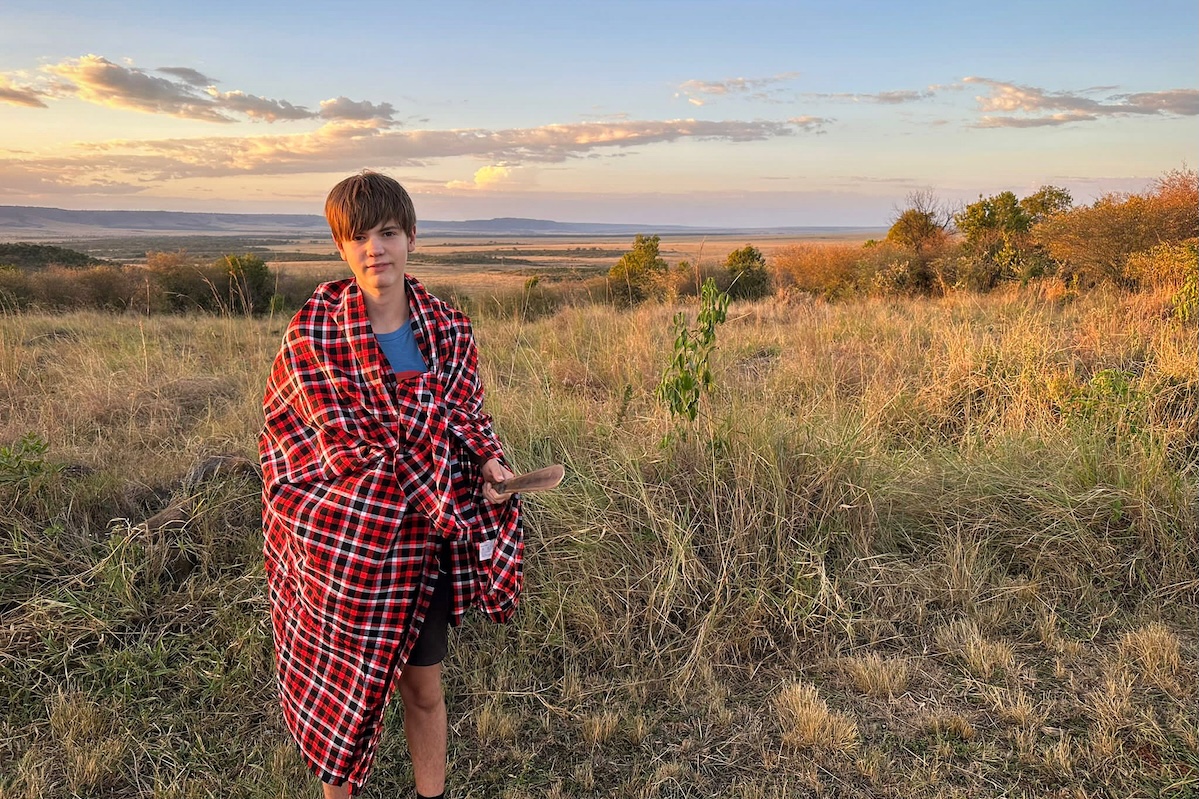
Teenagers are, predictably, more variable. A teenager who has chosen to be on safari, who has expressed genuine interest and been involved in planning the trip, will almost certainly have a profound experience. A teenager who has been brought reluctantly will find it harder to access the patience that safari requires. Though in our experience, most of them have an incredible time, even if they won’t fully admit it. And let’s face it, getting your teenager away from screens and into the wilderness is likely to be a positive thing.
What makes Mattikoko particularly suitable for families
Our camp is compact and safe. Staff are on hand at all hours. The family tent sleeps up to five. Children are genuinely welcomed rather than merely tolerated. Titimet and Marion have children of their own, and the warmth of a family-run camp comes through immediately.
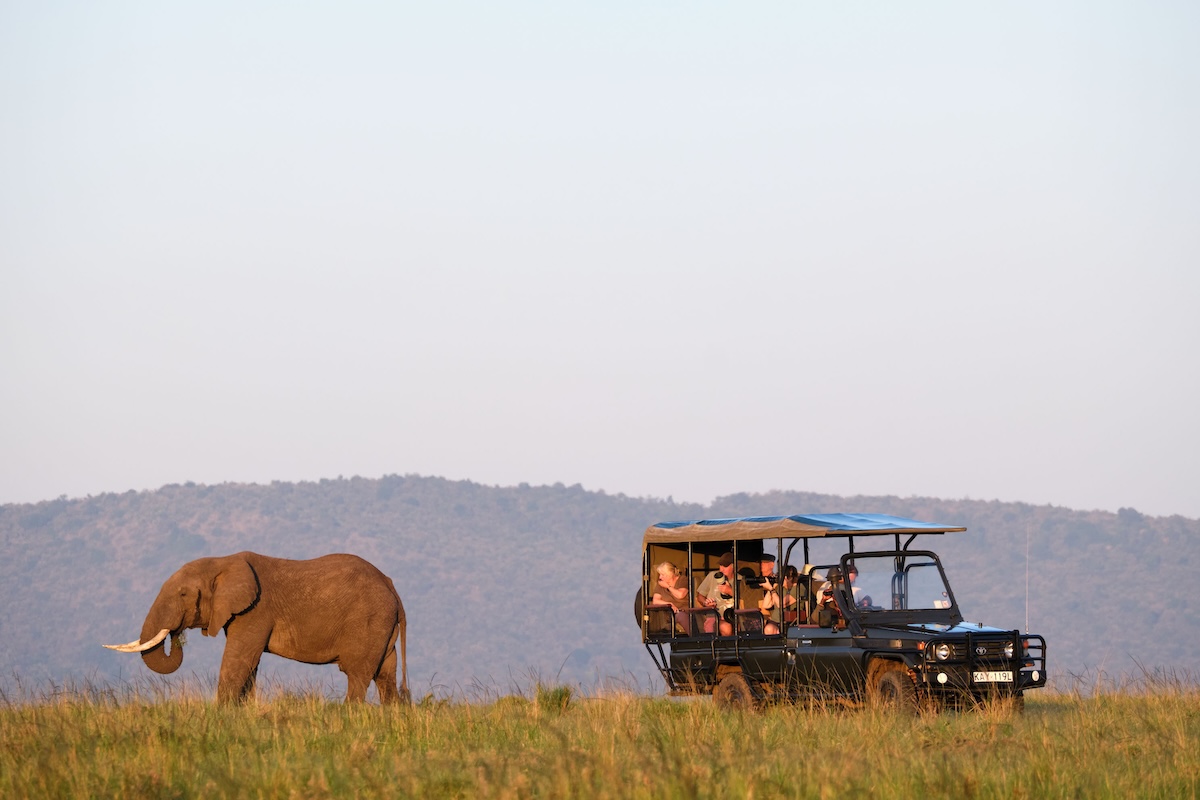
The conservancy setting also matters for families. Lemek’s low vehicle numbers mean game drives are unhurried. There are no convoys, no pressure to move on, no sense of competition. An animal can be watched for as long as everyone wants to watch it – which, for a child seeing a lion for the first time, might be a very long time indeed.