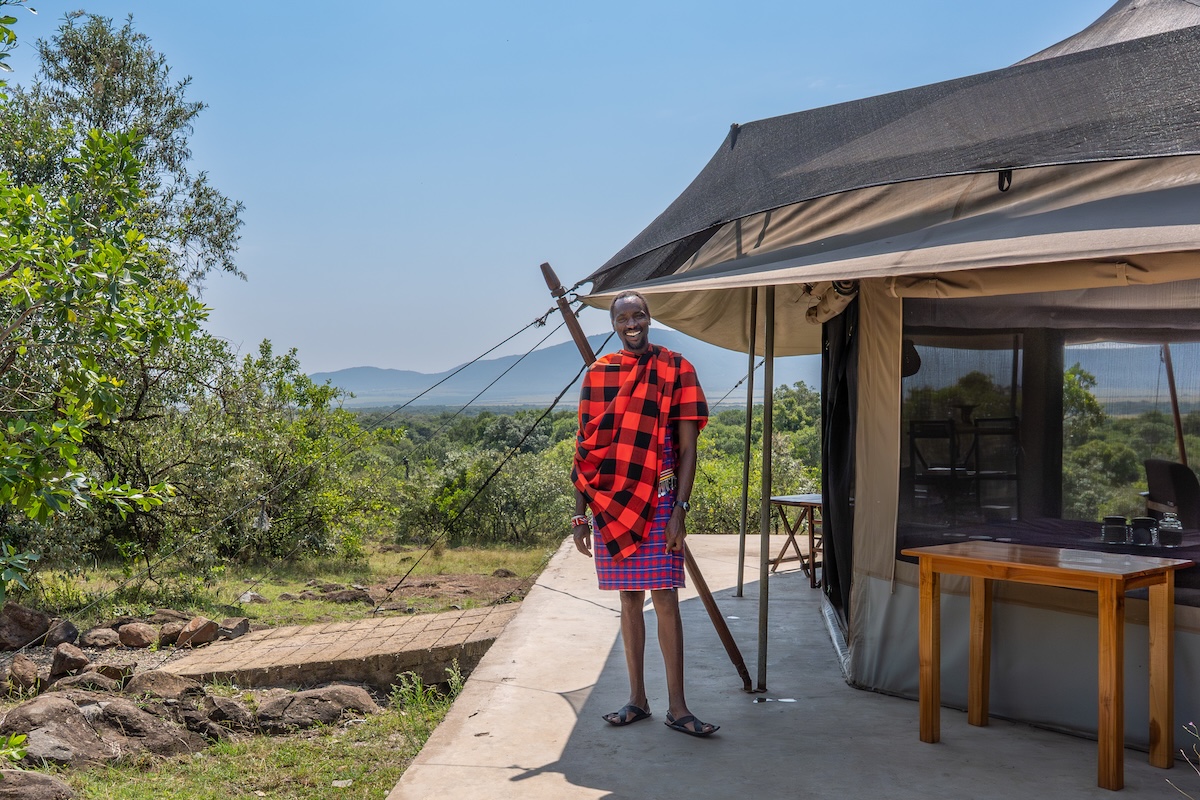
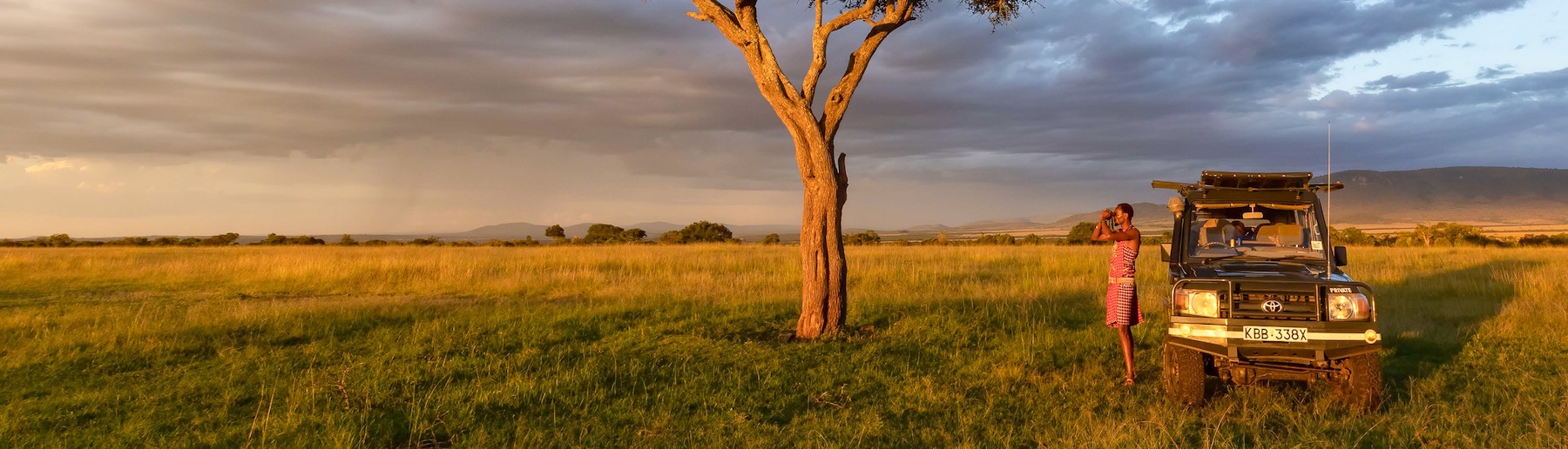
Titimet (Moses) Nampaso’s journey to Gold.
There are currently 22 Gold Standard safari guides in the entire country of Kenya. Twenty-two in a country that receives more than two million safari visitors a year, across dozens of national parks, private conservancies, and game reserves stretching from the coast to the Northern Frontier. We are proud that Titimet, owner, managing director and guide at Mattikoko, is one of them. In this blog, we explore what Gold Standard means, what it takes to get there, and what Titimet’s journey to gold was.
Images by Martin van Herwaerden, Kaleel Zibe, and Eco Training
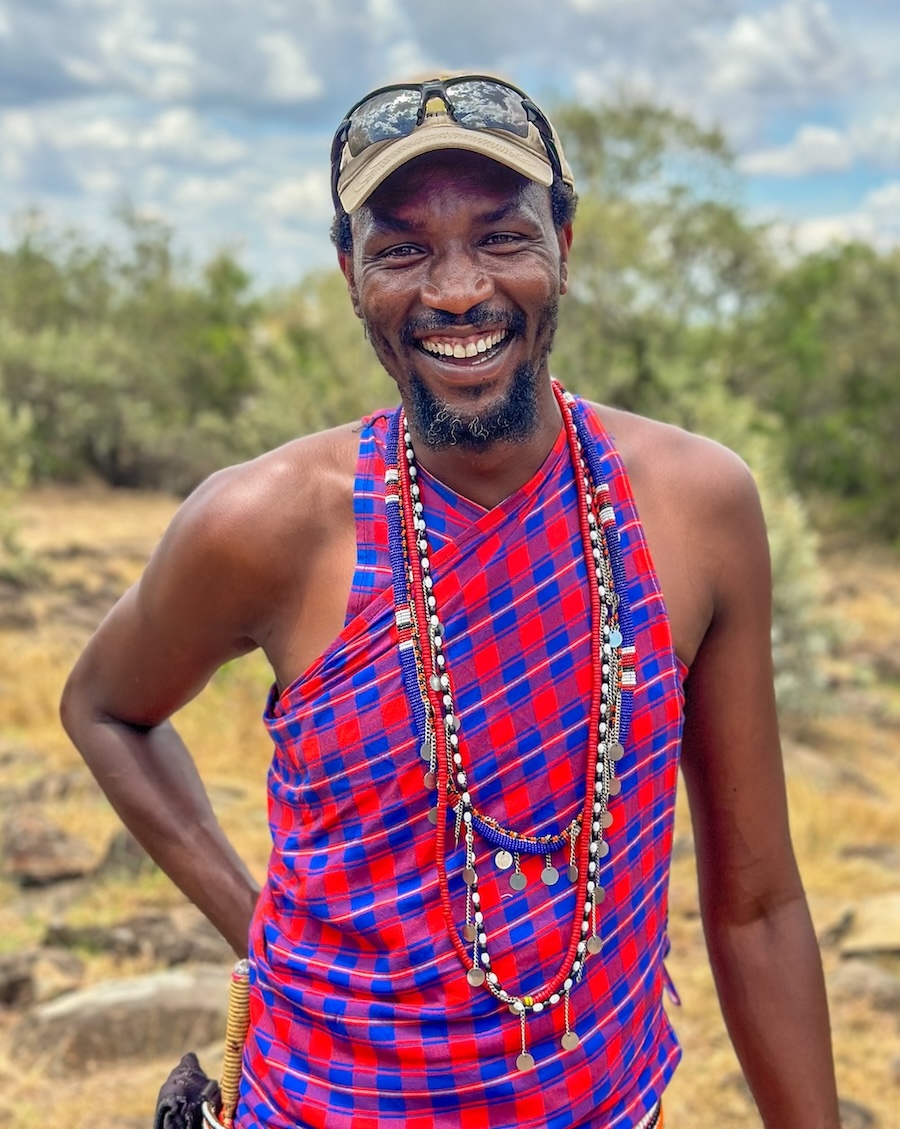
What is the Kenya Professional Safari Guides Association?
The Kenya Professional Safari Guides Association (KPSGA) is the independent certification body for safari guides operating in Kenya. Founded to raise the standard of professional guiding across the industry, it awards three levels of membership: Bronze, Silver and Gold. Each level requires passing increasingly rigorous examinations, and crucially, each requires a minimum of three consecutive years of active field experience before a guide is even eligible to sit the next level. There are no shortcuts. The only way through years spent in the bush, learning, guiding, accumulating knowledge that can only be acquired by doing.
Bronze is the entry level. It is a 100-question written examination covering birds, mammals, plants, insects, reptiles, cultures, history, conservation, and first aid. It’s a broad sweep of the knowledge base every competent guide needs. Three years of paid-up Bronze membership and active field work must follow before a guide can progress.
Silver is more demanding: short and long-form written answers, practical identification assessments, and all of the Bronze topics revisited at a greater depth, with map reading and ecology added. Another three years of active field experience follows before the Gold examination becomes available.
Gold is the summit. To reach it, a guide must have been a paid-up Silver member for at least three consecutive years. The examination itself is a three-day residential assessment held in Naivasha. It covers essay questions, live debates, field assessments, and a comprehensive oral component. Topics range across animal behaviour, ornithology, herpetology, geology, ecology, astronomy, archaeology, marine ecosystems, Kenyan history and culture, first aid, photography, and what the KPSGA describes as the full “demographics of modern Kenya.” A Gold Level guide is described by the KPSGA as “the ultimate ambassador for Kenya as a whole, representing an exceptional level of knowledge and skills in the field.”
The minimum theoretical path from Bronze to Gold takes at least six years. In practice, because guides can only sit each exam once they have genuinely mastered the material, and because the Gold assessment is evaluated by a panel of peers rather than a marking scheme, most guides who reach Gold take considerably longer.
Find out who Kenya’s the current Gold Standard guides are
Growing up in the Mara
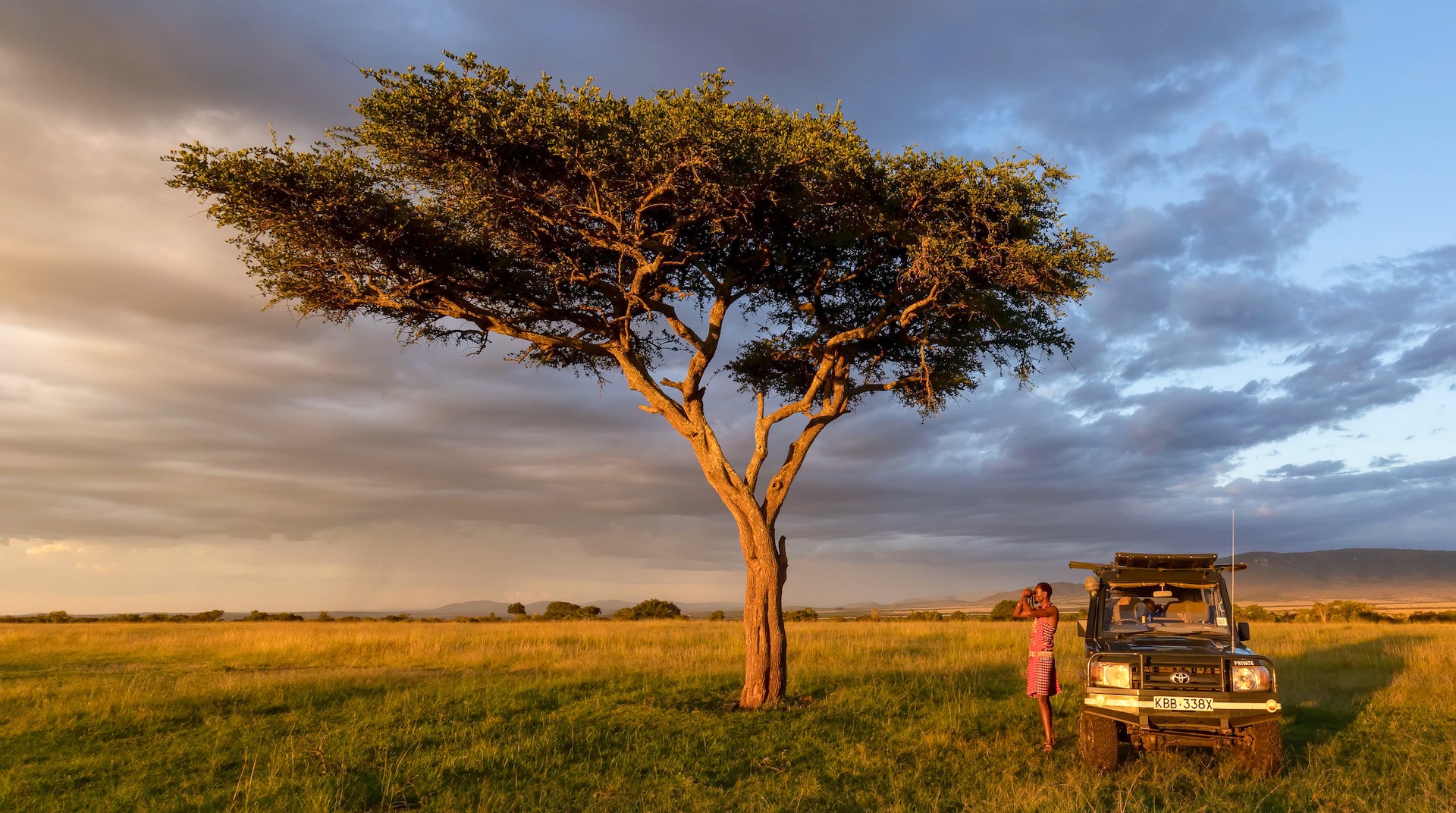
Titimet (Moses) Nampaso was born near Aitong, in the heart of the Greater Mara ecosystem, the same land he guides on today. His primary school was twelve kilometres away, and for eight years he walked there and back every day, a four-hour round trip through bush that was far from empty. Elephants, buffalo and other animals were a regular presence on the route, encounters he found fascinating rather than frightening.
From his father he learned to track animals, read their behaviour, and avoid dangerous encounters between wildlife and the family’s cattle. That knowledge, accumulated across generations of Maasai pastoralism, shaped him long before any formal training. Throughout school he was an active member of the conservation club and scouts. By the time he completed his Kenya Certificate of Secondary Education, the direction he wanted to go in was already clear.
“I decided to go for Gold Level the first year I was in school,” Titimet explains. “I chose to commit to work in the tourism industry and attain the highest possible standard so that I could be helpful to the community and to Kenya at large. It’s a great level to attain, though I never stopped learning, and will always continue to learn!”
From intern to Gold
In 2006, Titimet began a year of field guide internships, first at Rekero Camp in the Mara, then at Lewa Wilderness Trails in northern Kenya. He graduated with a certificate in Tour Guiding and Conservation and began guiding in earnest, working with several high-end safari companies including Encounter Mara, Sala’s Camp and House in the Wild.
In 2017, he travelled to South Africa to study at Eco Training in the Kruger Makuleke area and in Botswana, completing a Field Guides Association of Southern Africa Level Two Arts of Tracking qualification, specialising in tracking and trailing. It was an investment in his ability to read the ground itself, to follow an animal through landscape that gives up its secrets only to someone who knows exactly what they are looking for.
The Gold KPSGA examination came after years as a fully qualified Silver guide, meeting the KPSGA’s eligibility requirements and then sitting the three-day assessment. “It took me longer that I anticipated,” Titimet says. “It required about 16 years or resilience. It took a lot of studying, hard work, and tireless commitment to my mission. There were a lot of ups and downs, but I’m happy I persevered.”
What Gold Standard looks like on a game drive
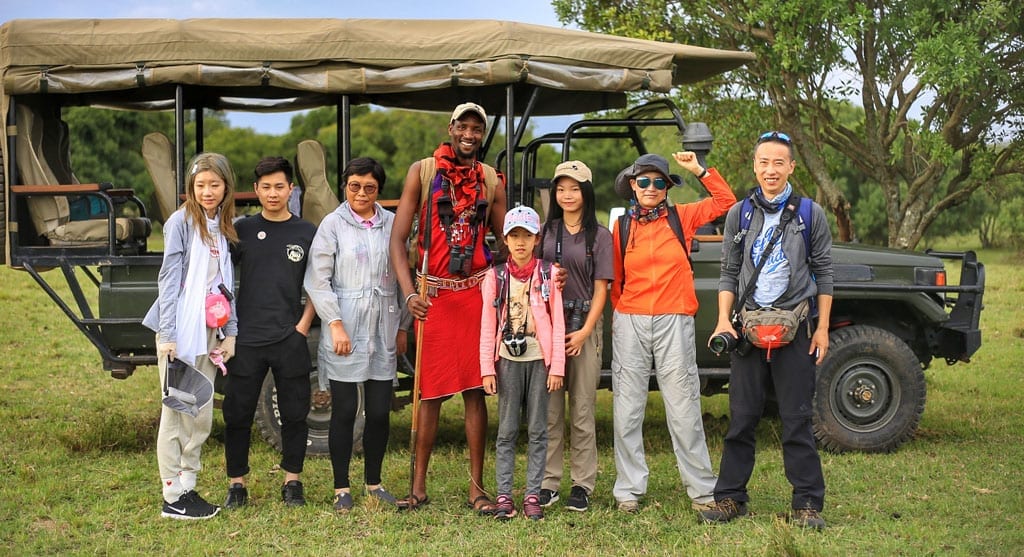
When you’re guided by a Gold Standard guide, you can obviously expect to learn a great deal about wildlife and the ecosystem you’re exploring. But you also know your guide is going to have a great amount of passion for what he or she does, as it’s taken enormous dedication to get where they are. They will know the area intimately, and live and breathe the life of a guide.
“I love everything about guiding,” Titimet says. “I love allowing people to explore wild places, to learn about nature, and to experience the bush through a Masai perspective. It’s great to meet people from around the world and to pass on knowledge and a message of conservation.”
Titimet’s next step: Mattikoko Safari Camp
Beyond reaching Gold Standard as a guide, Titimet is one of the very few Maasai that own accommodation in the Greater Maasai Mara ecosystem. And as with his journey as a guide, reaching this goal took a great amount of application. “Owning and running a camp came as a vision and aspiration when I was in college 2006,” Titimet explains. “It took a lot of years before it happened and it needed patience, hard work, saving, and lots of determination. I’ve always thought it’s important for people from local Maasai communities to get involved with this; ownership of camps and lodges. It helps create a more sustainable tourism model that will support communities and conservation in the long term.”
Moses built Mattikoko Safari Camp in Lemek Conservancy, the land he has known since childhood, and a prime spot for game drives. It’s fully run by local Maasai, and needless to say, you’ll get an authentic experience if you come to stay. If you’d like to see what Gold Standard guiding looks like in practice, we’d love to welcome you to Mattikoko.
Read more about why Maasai ownership of lodges in the Mara is important