The next steps in Kenya’s sustainable travel story
The Maasai Mara ecosystem is one of Africa’s most treasured natural habitats, famed for its extraordinary wildlife and the dramatic spectacle of the Great Migration. Yet behind the sweeping savannahs lies a quieter story: the rise of community-owned conservancies. Over the past two decades, conservancies such as Lemek have reshaped how land is managed, wildlife is protected, and local livelihoods are sustained across the Mara region. They are rightly considered one of Africa’s most successful conservation stories. But as the model matures, a new chapter is emerging – one that centers not just on community land ownership, but on Maasai ownership of tourism itself.
Images by Alan Hewitt and Kaleel Zibe
What Are Conservancies?
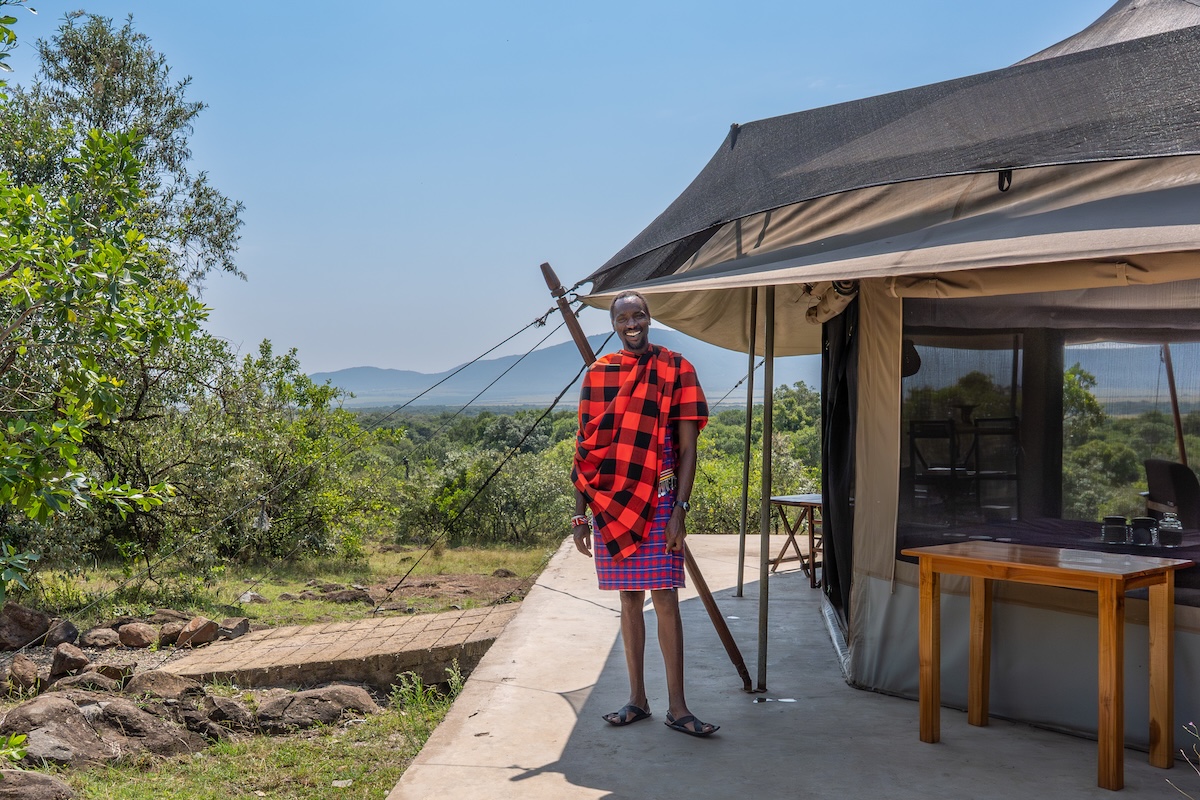
Conservancies are parcels of land owned by local communities that allow a happy coexistence of Maasai culture and lifestyle, wildlife conservation, and tourism. Unlike traditional protected areas controlled by government agencies, conservancies put the power in the hands of local people – often the Maasai pastoralists who have lived alongside the wildlife for generations.
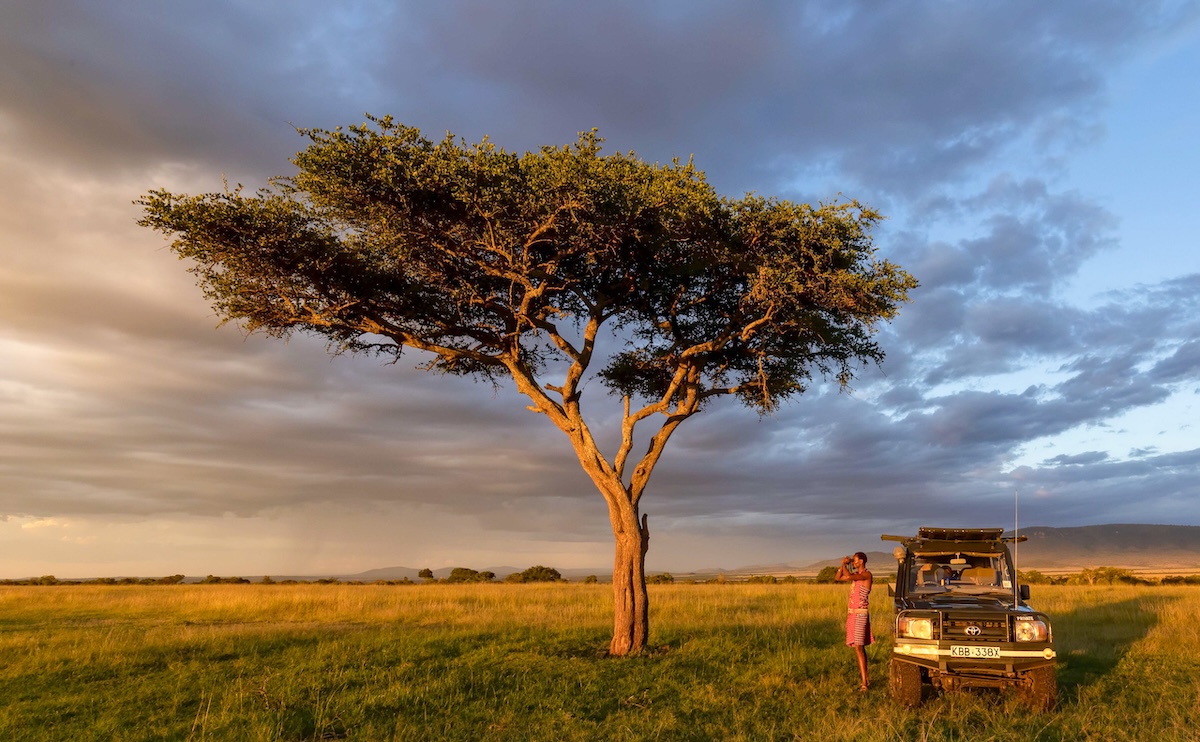
This community-led model balances environmental protection with the economic and cultural needs of local residents. Conservancies allow wildlife to roam freely across larger landscapes, beyond the borders of official national parks and reserves, creating vital corridors for migration and genetic diversity.
Lemek Conservancy as an Example of Success
One of the shining examples of this model is the Lemek Conservancy, located adjacent to the Maasai Mara National Reserve. Lemek covers around 16,000 acres of prime wildlife habitat and is managed by a coalition of local Maasai landowners who have voluntarily committed their land to conservation – and it stands as a leading example of how the conservancy model works in practice.
Here, Maasai landowners have voluntarily committed their land to wildlife conservation in exchange for structured lease payments funded by tourism partnerships. Grazing is carefully managed to maintain ecological balance, wildlife corridors remain open, and tourism operates at low density to protect habitat integrity.
The benefits extend beyond conservation. Tourism revenue supports community projects in education, healthcare, and water infrastructure, while also providing steady income for landowners. Across the wider Mara ecosystem, conservancies have helped reduce habitat fragmentation, ease pressure on the national reserve, and stabilize wildlife populations.
Challenges & Ongoing Negotiation
This is not to say the conservancy model is without its challenges. Land tenure disputes, balancing conservation with pastoralist needs, and ensuring equitable distribution of tourism revenues require ongoing negotiation and management. Climate variability and drought can also strain both wildlife and communities, demanding adaptive strategies.
However, the success stories emerging from the Mara conservancies demonstrate that community-driven conservation is a viable and promising model. The system has also demonstrated a powerful truth: conservation works best when local communities are genuine stakeholders.
The Next Logical Step: Maasai Ownership of Safari Tourism
Yet as the conservancy model matures, a deeper question is emerging; who owns the tourism economy built on community land? While the land within conservancies is Maasai-owned, most safari lodges and camps operating there are not.
“The creation of the conservancies has involved recovery of land and restoration of land and overall, it’s been a great success story,” says Sean Anderson, tourism entrepreneur, Co-founder and Chair of the Centre for Ecosystem Restoration, and Independent Executive Committee Member of the Maasai Mara Wildlife Conservancies Association. “But tourism investors have not been Maasai, many of them not even Kenyan. So a next step in the story of the conservancies is needed: Maasai ownership of tourism ventures. It’s logical; these are the custodians of the land. They make the best guides, and they’ll also make the best owners of the hospitality experience.”
Although communities benefit through land leases and employment, ownership of tourism businesses – and the long-term wealth and leadership that come with it – would strengthen alignment between conservation, culture, and commerce. It shifts tourism from being something that happens on community land to something built and led by the community itself.
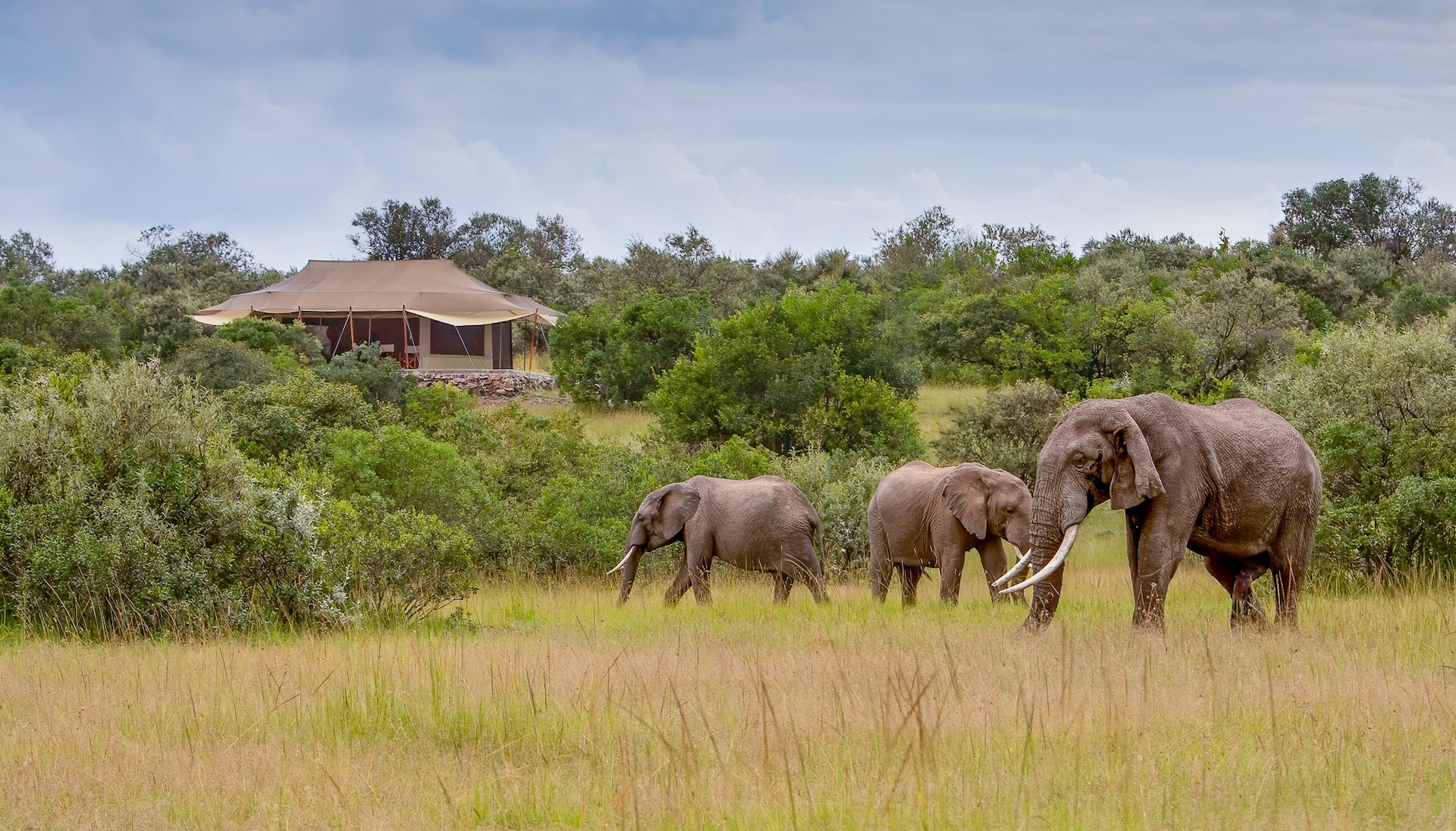
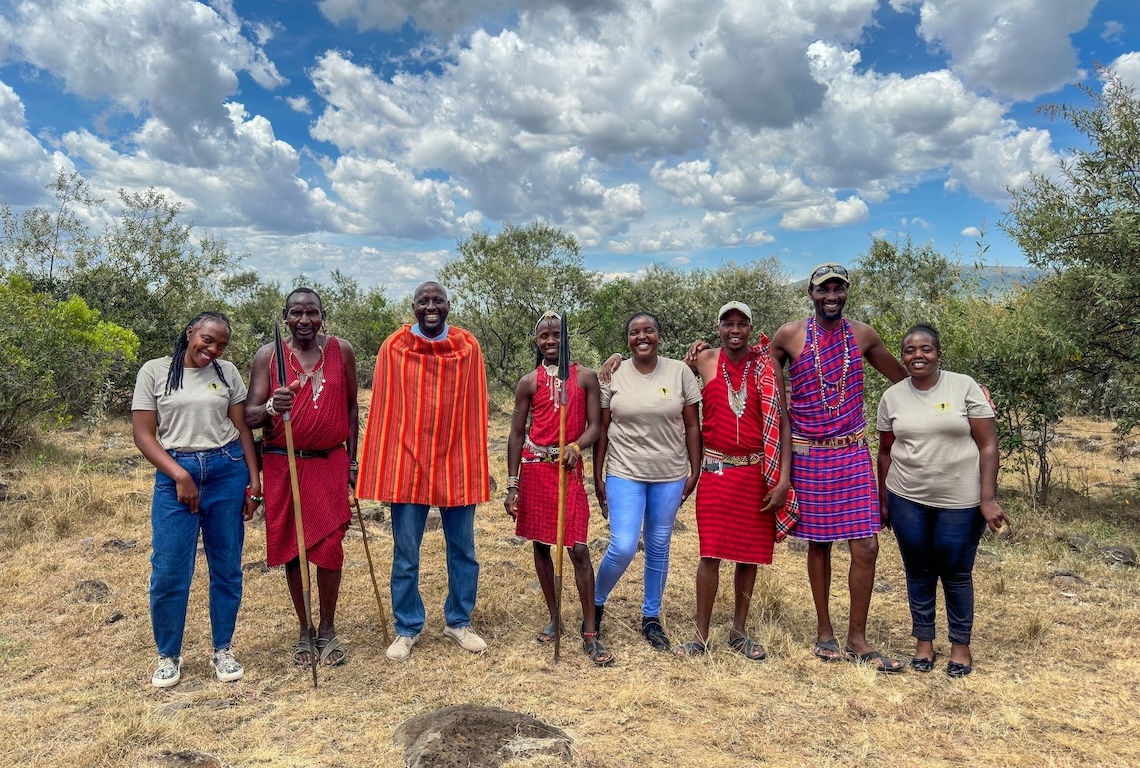
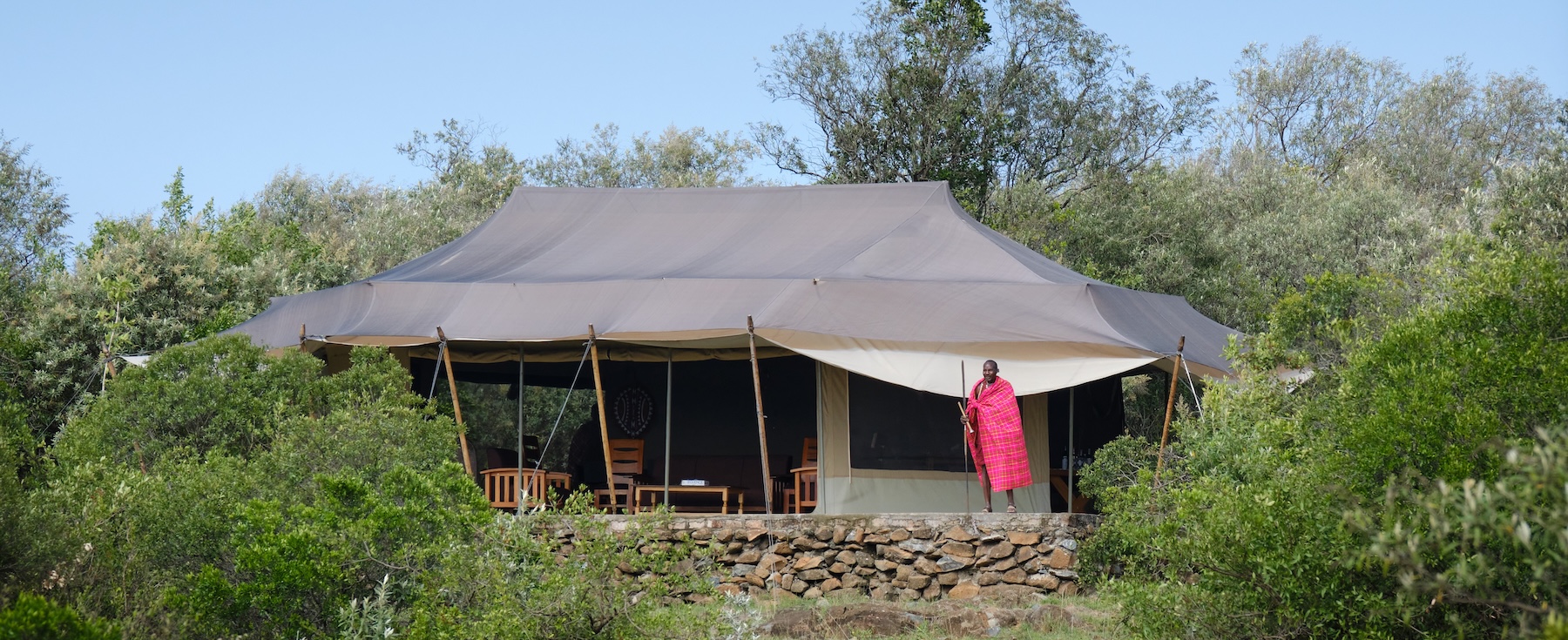
Mattikoko Safari Camp: A Maasai-Owned Camp in Lemek Conservancy
Mattikoko Safari Camp, located in Lemek Conservancy, stands as a rare example of this proposed direction. “Mattikoko is a pioneering example of the direction Lemek and the other conservancies need to move in,” says Sean. “It can create a pathway of Maasai entrepreneurship that creates an example for others to follow.”
This evolution would not diminish the success of the conservancy model; it would strengthen it. It would be a deepening of sustainable tourism in Kenya – one in which stewardship, cultural heritage, hospitality, and business leadership are unified.
For travelers seeking ethical, community-based tourism in Kenya, supporting Maasai-owned camps offers a direct way to participate in this next chapter.
Conservancies were the first revolution. Maasai ownership of tourism may well be the second.