The Truth About Affordable Safaris in Kenya
The Maasai Mara is one of Africa’s most iconic safari destinations, famed for its vast savannas, diverse wildlife, and the awe-inspiring Great Wildebeest Migration. But if you’re dreaming of spotting lions, elephants, and cheetahs without draining your savings, you might ask: Is it possible to visit the Maasai Mara on a budget? The honest answer is no – not in the backpacking sense of ultra-cheap travel. Safaris here are inherently exclusive experiences, with costs driven by park fees, remote logistics, and the premium on uncrowded wildlife viewing. However, you can absolutely make it more affordable by skipping luxury frills and opting for value-driven options.
In this guide, we’ll break down why true budget travel is elusive, explain the key differences between the national reserve and private conservancies, and show how to plan a rewarding trip without overspending – highlighting Mattikoko Safari Camp (shamelessly blowing our own horn!) as a prime example of accessible exclusivity.
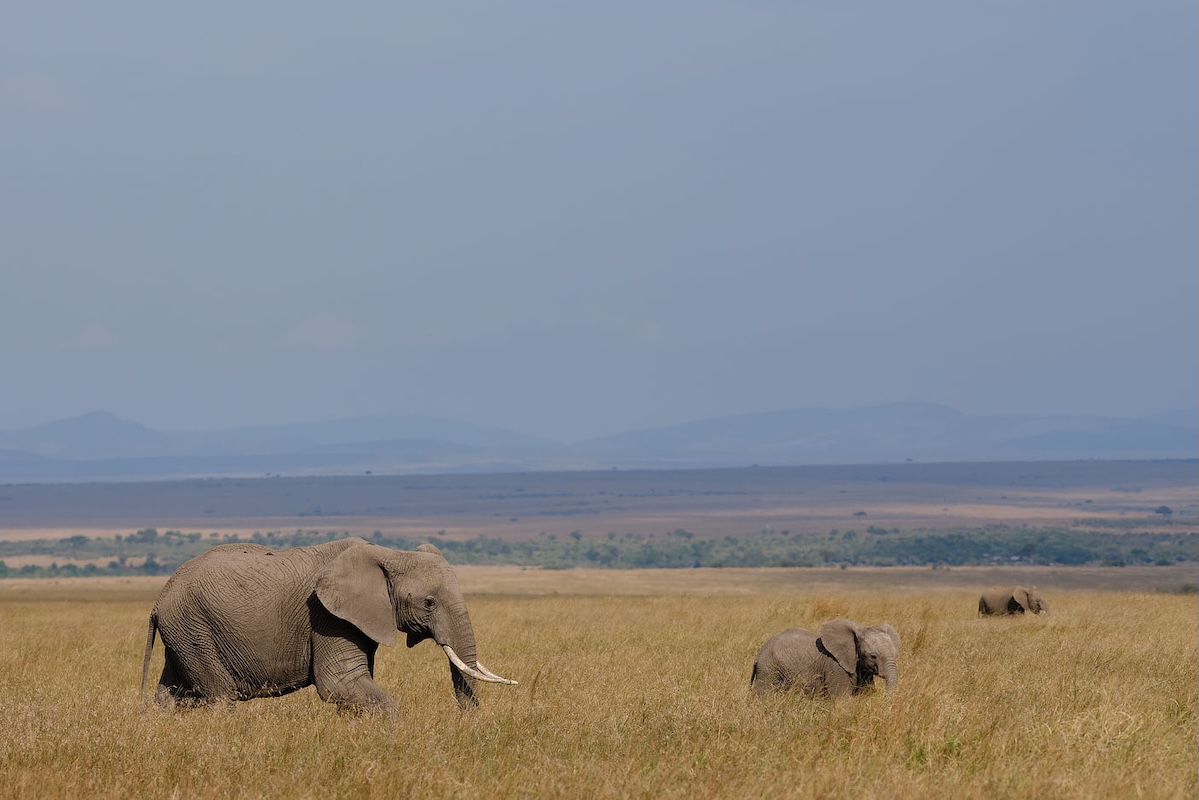
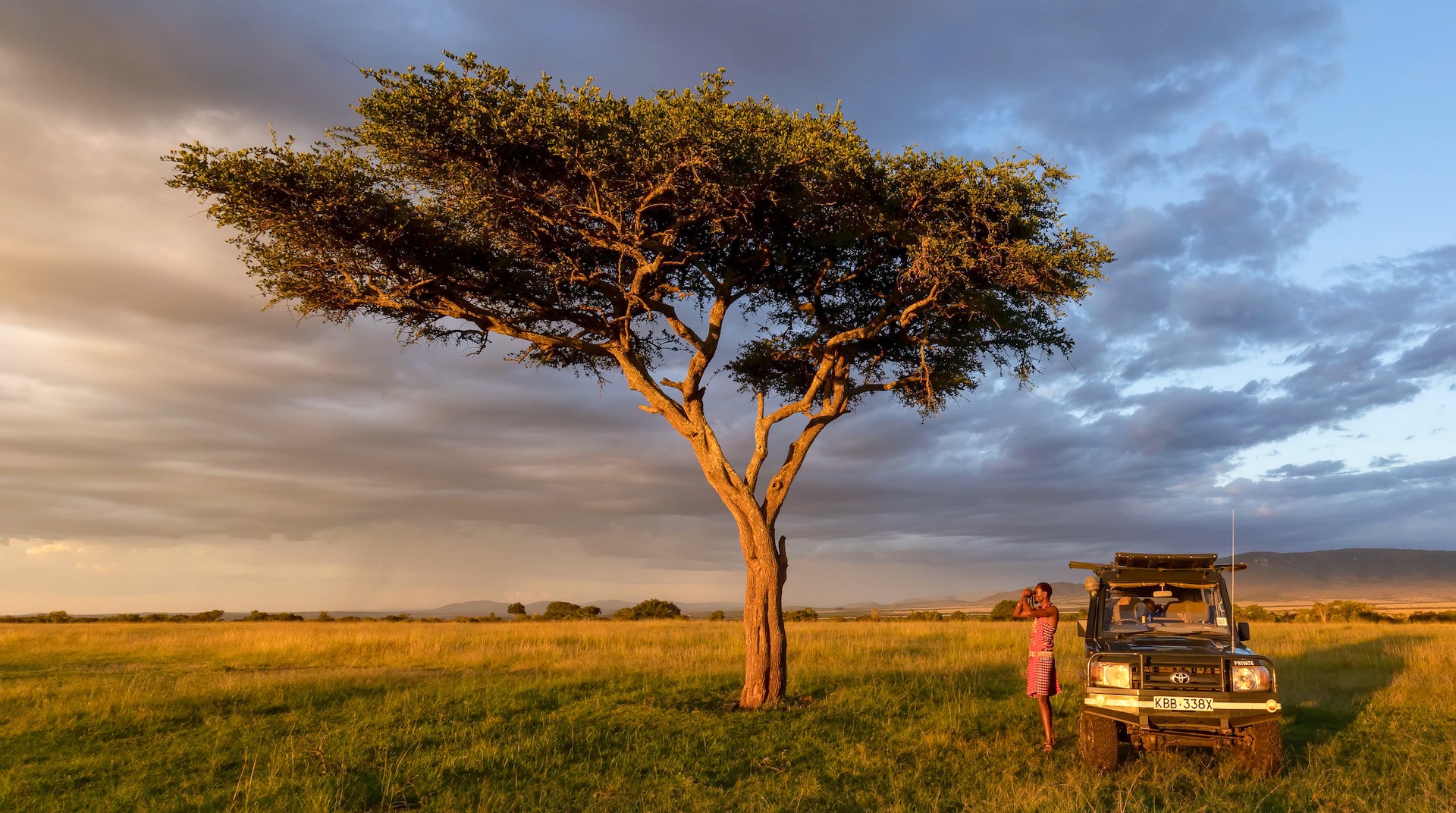
Images by Alan Hewitt and Kaleel Zibe

Why the Maasai Mara Can’t Be Ultra-Cheap (Especially in Conservancies)
The Greater Mara ecosystem includes both the main reserve and private conservancies such as those bordering the reserve. Conservancies operate on a community-based model, where land is leased from local Maasai landowners and wildlife protection is funded through tourism.
That structure means:
- Land lease payments go directly to local families
- Conservation fees are higher
- Visitor numbers are limited
- Camps remain small and low impact
The result is a more exclusive and less crowded safari – but at a higher operational cost. So if someone promises a rock-bottom price inside a private conservancy, something usually has to give.
National Reserve vs. Conservancies: Understanding the Exclusivity Factor
A key decision in planning your safari is choosing between the Maasai Mara National Reserve and the surrounding private conservancies. This choice directly impacts cost, crowds, and experience – here’s a clear breakdown:
- Maasai Mara National Reserve: This is the public heart of the Mara, spanning 1,510 square kilometers of open grasslands, rivers, and acacia-dotted plains. It’s government-managed, with lower entry fees ($100–$200/day) but stricter rules: no off-road driving, no night drives, and no walking safaris to minimize impact. Wildlife is abundant year-round, especially during the migration (July–October), but it’s more accessible, leading to higher vehicle numbers and potential crowding around sightings. Ideal for first-timers seeking the classic Mara vibe on a tighter budget.
- Private Conservancies: These are adjacent lands owned by Maasai communities, leased to tourism operators for conservation. There are 15 conservancies (e.g., Lemek, Mara North, Naboisho), covering vast areas where wildlife roams freely across unfenced borders. Fees are higher (often $100–$150 extra per day for conservation), but you get exclusivity: limited vehicles (e.g., one per sighting), off-road access for closer views, night drives, and guided bush walks. No day visitors mean quieter experiences, and revenue directly supports Maasai livelihoods through education and anti-poaching initiatives. The trade-off? Slightly pricier, but worth it for intimate, sustainable safaris.
In short, the reserve offers volume and accessibility, while conservancies deliver premium seclusion. Paying for that “exclusive” feel is what elevates the Mara beyond a standard wildlife trip.
Read more about the conservancies as a unique tourism model
Tips for Visiting the Maasai Mara More Affordably
If you’re planning your Kenya trip, here are practical ways to reduce costs without sacrificing experience:
- Travel in Shoulder or Green Season. Rates are lower outside peak migration months (July–October). Wildlife viewing remains excellent year-round.
- Stay Longer. Many camps offer “stay 3, pay 2” or long-stay discounts in low season.
- Choose a Small Camp Over Big Luxury Brands. Independent camps (like ours!) often offer better value for the same wildlife access.
- Book Direct. Booking directly with a camp can reduce commission layers and allow for more flexibility.
- Focus on Experience, Not Excess. A safari is about wildlife, landscape, and guiding – not infinity pools.
Affordable Exclusivity in the Conservancies: Spotlight on Mattikoko
For those wanting conservancy perks without luxury prices, Mattikoko exemplifies “relatively affordable” safariing. As a Maasai-owned tented camp, our lodge skips opulent extras for what matters: seven comfortable en-suite tents with basic amenities like hot showers and cozy beds – all you need after a day in the bush.
A rustic but perfectly positioned camp like ours offers exclusive access to uncrowded plains, riverine forests, and migration routes, guided by local Maasai experts. Enjoy off-road drives, night safaris, and community immersion without the crowds of the reserve. It’s not “budget” backpacking – it’s an incredibly exclusive setting at a fraction of high-end lodge costs, emphasizing sustainability and authentic Maasai hospitality.
Find out more about our camp
Wrapping Up: Is the Maasai Mara Worth It?
The Maasai Mara will never be a rock-bottom budget spot – its value lies in the exclusivity of witnessing raw wilderness up close. By understanding reserve vs. conservancy differences and choosing smartly, and consciously choosing what you’re paying for, you can craft an affordable yet unforgettable safari. Remember – you don’t need luxury to feel the Mara’s magic. And is it worth it? You better believe it.