
Prepare without over-packing
Planning a safari to the Maasai Mara is exciting, but packing for it can feel surprisingly overwhelming. Do you need hiking boots? A jacket? Neutral colours? What about adapters?
Whether you’re joining us at Mattikoko, or you’re visiting one of the other lodges in the Maasai Mara, this guide will walk you through exactly what to bring – with practical advice based on real safari conditions in Kenya. We’ll keep it simple, realistic, and stress-free. Let’s dive in.
Images by Alan Hewitt, Kaleel Zibe, and Martin van Herwaarden
Understanding the Maasai Mara Climate and Terrain
Before we get to the list, a quick note on what to expect: The Maasai Mara experiences two main seasons – dry (June to October) with clear skies and the Great Wildebeest Migration, and wet (November to May) with lush landscapes but occasional showers. Temperatures range from 12°C (54°F) at night to 30°C (86°F) during the day. The terrain is rugged, with dusty roads and open grasslands, so comfort and protection are priorities.
Pro tip: Pack in layers and opt for quick-dry, breathable fabrics. Neutral colors like khaki, beige, and olive green help you blend in with the environment, reducing the chance of startling wildlife during game drives from our camp.
Find out more about when the best time is to visit the Maasai Mara
Clothing Essentials: Comfort Meets Functionality
Safari attire isn’t about fashion – it’s about practicality. Focus on versatile pieces that protect against sun, insects, and thorns.
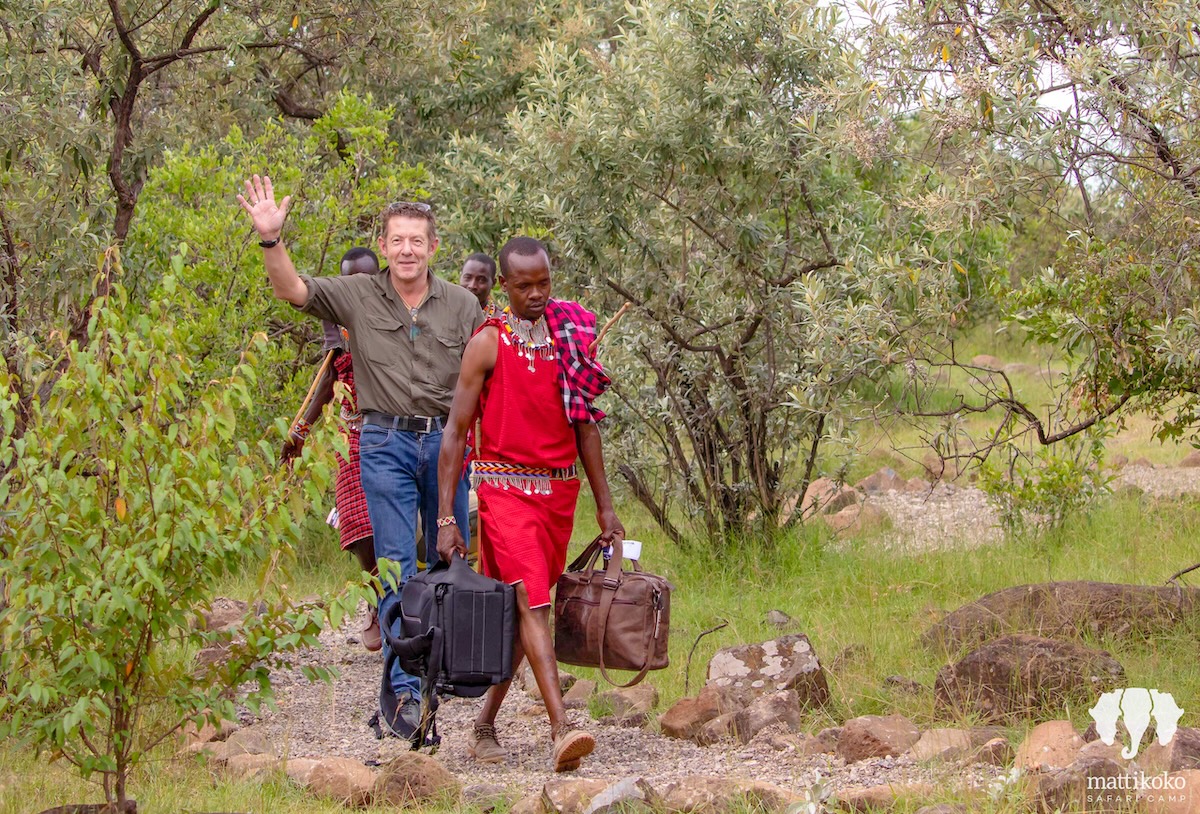
- Lightweight, Long-Sleeved Shirts and Pants (4-6 each): These shield you from the intense sun, dust, and bugs. Choose moisture-wicking materials like cotton blends or merino wool. Why? Mosquitoes are more active at dawn and dusk, prime game-viewing times. Avoid bright colors or patterns that could attract attention from animals.
- Shorts and T-Shirts (2-3 each): Ideal for warmer afternoons at camp. Pair with a light scarf for neck protection.
- Warm Layers: A fleece jacket or sweater for early morning drives and evenings around the campfire. Nights can drop below 15°C (59°F), especially in the dry season.
- Rain Gear: A lightweight, packable rain jacket or poncho. Even in the dry season, sudden showers can occur – better safe than soggy!
- Hat and Sunglasses: A wide-brimmed hat for sun protection (UV rays are strong at high altitudes) and polarized sunglasses to spot distant wildlife without glare.
- Swimwear: If your safari includes downtime at our camp’s pool or nearby waterholes (though swimming in natural spots isn’t recommended due to wildlife).
- Underwear and Socks (7-10 pairs): Quick-dry options are best. Include a few pairs of thicker socks for walking safaris to prevent blisters.
Dos: Roll clothes to save space in your duffel bag (hard-shell suitcases aren’t ideal for light aircraft transfers). Don’ts: Skip jeans – they’re heavy, slow to dry, and uncomfortable in heat.
Footwear: Sturdy and Versatile
The Mara’s uneven ground calls for reliable shoes.
- Closed-Toe Hiking Shoes or Boots: Essential for bush walks and game drives. Look for breathable, waterproof options with good grip.
- Comfortable Sandals or Flip-Flops: For relaxing at camp or showers.
- Sneakers: A lightweight pair for travel days or light activities.
Accessories and Gear: The Little Things That Matter
These items enhance your experience and keep you connected (or disconnected, if that’s your vibe).
- Binoculars: High-quality ones (8×42 magnification) for spotting lions or elephants from afar. Our guides provide some, but personal pairs ensure the best views.
- Camera and Accessories: A DSLR or smartphone with a zoom lens, extra batteries, memory cards, and a dust-proof case. Drones are restricted in the Mara – check regulations.
- Power Bank and Adapters: Kenya uses Type G plugs (240V). Solar-powered options align with our eco-focus.
- Reusable Water Bottle: Stay hydrated; we provide filtered water at camp to reduce plastic waste.
- Flashlight or Headlamp: For navigating camp at night.
- Daypack: A small backpack for game drives to carry water, snacks, and sunscreen.
Health and Personal Care: Stay Safe and Healthy
Health precautions are non-negotiable in remote areas.
- Medications: Personal prescriptions, plus antimalarials (consult your doctor), pain relievers, antihistamines, and anti-diarrhea meds.
- First-Aid Kit: Bandages, antiseptic, tweezers, and insect repellent (DEET-based for effectiveness against tsetse flies).
- Sunscreen (SPF 50+) and Lip Balm: High-altitude sun burns fast.
- Toiletries: Travel-sized shampoo, conditioner, toothpaste, etc. Biodegradable wipes are handy for dusty days.
- Vaccinations and Documents: Yellow fever certificate (required for entry), passport, travel insurance, and copies of everything.
Don’ts: Forget insect repellent – malaria is a risk, though our camp is in a low-risk zone. Dos: Pack a small pharmacy; pharmacies are scarce in the bush.
Special Considerations for Families or Groups
If traveling with kids, add child-sized versions of essentials, plus games or books for downtime. For photographers, extra lenses and a tripod. Honeymooners might want a nice outfit for romantic dinners under the stars.
Packing Strategy: Luggage Limits and Tips
You’re likely to fly into the Mara on a light aircraft with a 15-20kg (33-44lb) soft-sided bag limit per person. Use a duffel for easy storage. Weigh your bag before departure to avoid fees.
Final tip from our guests: Pack half of what you think you need – laundry services are available at Mattikoko for a small fee.
What NOT to Bring on Safari
You can pack lighter than you think. Avoid:
- High heels
- Formal wear (unless requested for a special occasion)
- Excess jewellery
- Hairdryers (most camps provide or power may be limited)
- Large hard-shell suitcases (soft bags are better for bush flights)
Final Thoughts: Pack Light, Experience More
Safari isn’t about what you wear – it’s about the moment a cheetah lifts its head from the grass, or the silence before a herd of elephants crosses your path. Pack for comfort. Pack for layers. And leave space for the unexpected.
If you’re going to be visiting us at Mattikoko, have a look at the information on our camp to get a good idea of your accommodation. And if you have questions about preparing for your stay, our team is always happy to help make your safari seamless from the moment you land in Kenya!