Wildlife photographer Alan Hewitt explains why where you go matters more than ever
Text and images by Alan Hewitt
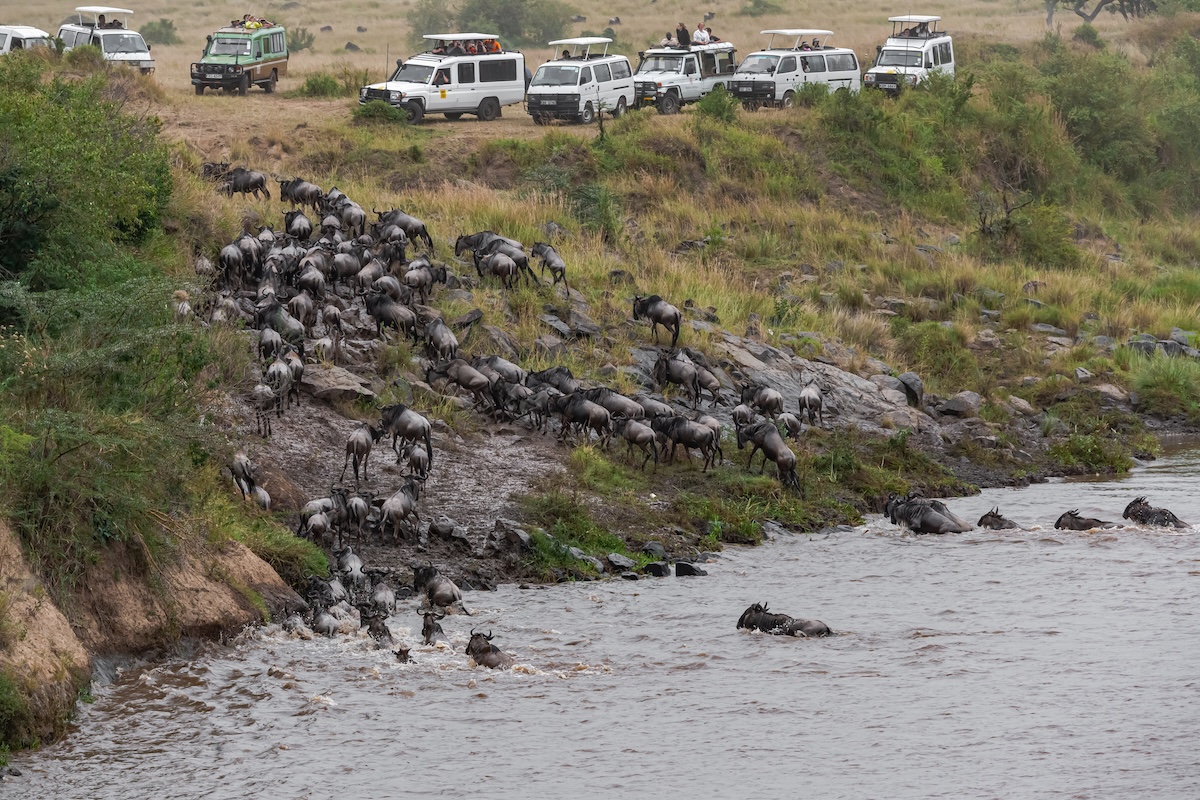
Over the past few years, it has become increasingly common to see reports from scenes in the Maasai Mara National Reserve that would have seemed unthinkable a decade ago. At the height of the high-season, it’s not unusual to see far too many safari vehicles clustered around a single predator kill, developing hunt or a river crossing. In 2025, viral social media footage showing dozens of tourists standing outside their vehicles during a wildebeest river crossing, completely ignoring their disruption, the herd’s natural behaviour needs and safety risks. The scenes were horrendous, highlighting just how extreme overcrowding and unethical behaviour has become in areas of the National Reserve, and the urgent need for stricter long-term management.
The Maasai Mara National Reserve versus the conservancies
These scenes illustrate a growing problem, yet many visitors aren’t aware that the Maasai Mara is not a single uniform area. The Mara consists of both the Maasai Mara National Reserve, Mara Triangle and the Mara Conservancies. It is the same eco-system, but distinct in terms of their very different management models. While the National Reserve is local government-managed and open to high volumes of tourism, the Conservancies operate under community-based agreements, where land remains Maasai-owned and tourism is regulated.
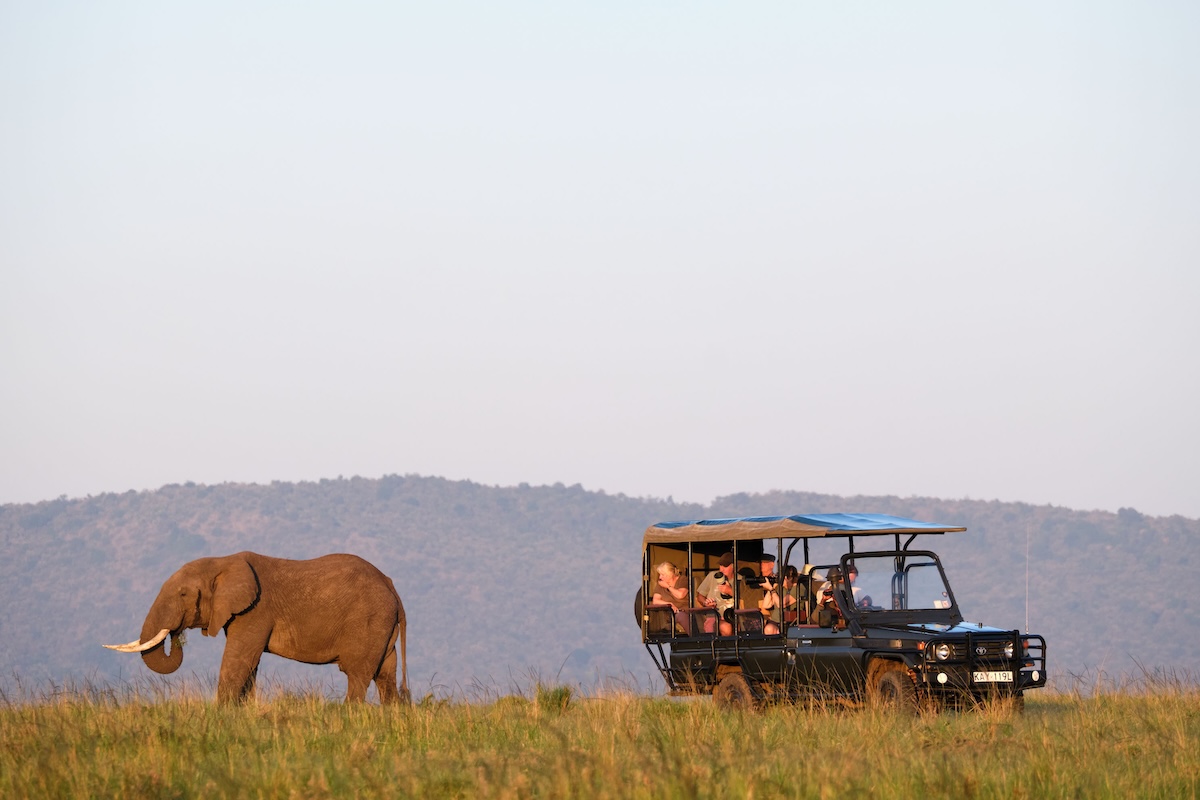
In the Conservancies, vehicle numbers are strictly regulated and limited. This approach means that overcrowding problems that are increasingly plaguing the National Reserve are avoided. Wildlife is less stressed by constant human activity, encounters are more intimate, and photographers can work ethically, sustainably, and with a greater chance of observing natural behaviour.
Mattikoko; an example of a sustainable approach to tourism
These principles are at the core of Mattikoko Safari Camp’s ethos. The camp is visually low-impact, blending seamlessly into the Lemek Conservancy landscape, and operated with sustainability in mind. Mattikoko is one of very few Maasai-owned camps. Tourism revenue directly benefits local communities, fostering long-term stewardship of the land and wildlife. This approach ensures that wildlife tourism is not only incredible for visitors but is genuinely supportive of conservation.
Also on our blog: the Maasai Mara Conservancies explained
The negative effects of high-volume tourism
The consequences of high human presence are well-documented. A study co-authored by my friend, Niels Mogensen, Senior Programme Scientist for the Mara Predator Conservation Programme, “Balancing benefits and burdens: Tourist camps and lion conservation in the Maasai Mara”, demonstrates that areas with high densities of large tourist camps show significantly lower lion densities. Unlike temporary and responsible encounters from vehicles, permanent high-volume camps create continuous sources of noise, lights, and movement, which disrupt lion behaviour. High camp density can interfere with hunting, resting, and reproduction, making such areas less suitable for these apex predators. Yet, tourism remains essential for financing conservation and supporting local livelihoods.
Community-based models in the Conservancies provide a balance: revenues flow to Maasai landowners, fund conservation programs, preserve habitats, and help mitigate human–wildlife conflict. By limiting camps and monitoring tourist activity, the Mara Conservancies show that it is possible to enjoy the Mara ethically and responsibly while maintaining its ecological integrity.
Read more from Alan on why he choses conservancies
Why your choice matters when you visit the Mara
For anyone looking to photograph wildlife or experience this wonderful eco-system, the choice of where you go now matters more than ever. Not just for your experience, but for the future of the Mara’s wildlife. The ecosystem needs wildlife tourism revenue and choosing sustainably managed areas like the Conservancies and low-impact sustainable camps like Mattikoko ensures that the Maasai Mara can wild, beautiful, and thriving for generations to come.
About Alan
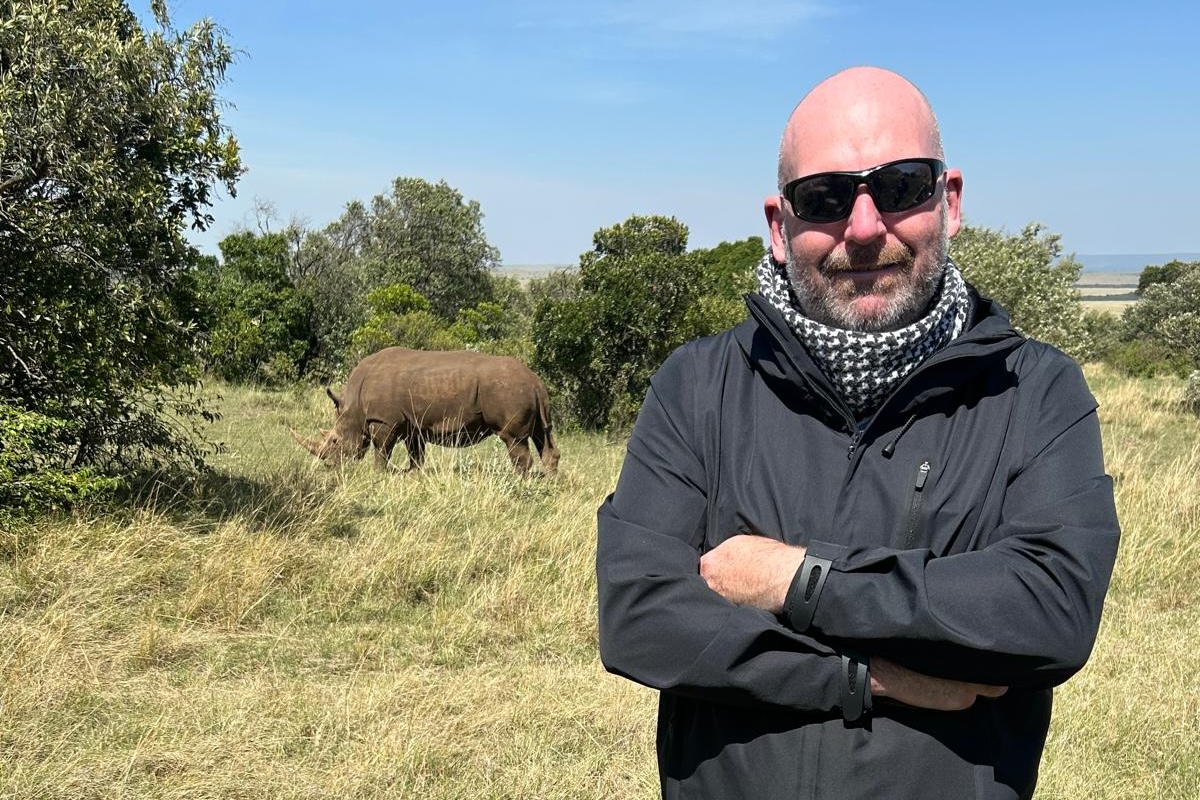
Alan Hewitt is a Northumberland-based wildlife photographer, filmmaker, writer, and photography safari leader with a particular passion for sub-Saharan Africa. His approach centres on fieldcraft; understanding animal behaviour and habitat to tell natural history stories through his images – and he brings that same ethos to the photography safaris he leads at Mattikoko. A FUJIFILM X Ambassador, Alan’s work has appeared in publications including Digital Photographer, Bird Watching, Practical Photography, and the Sunday Telegraph. You can find out more on Alan’s website.