
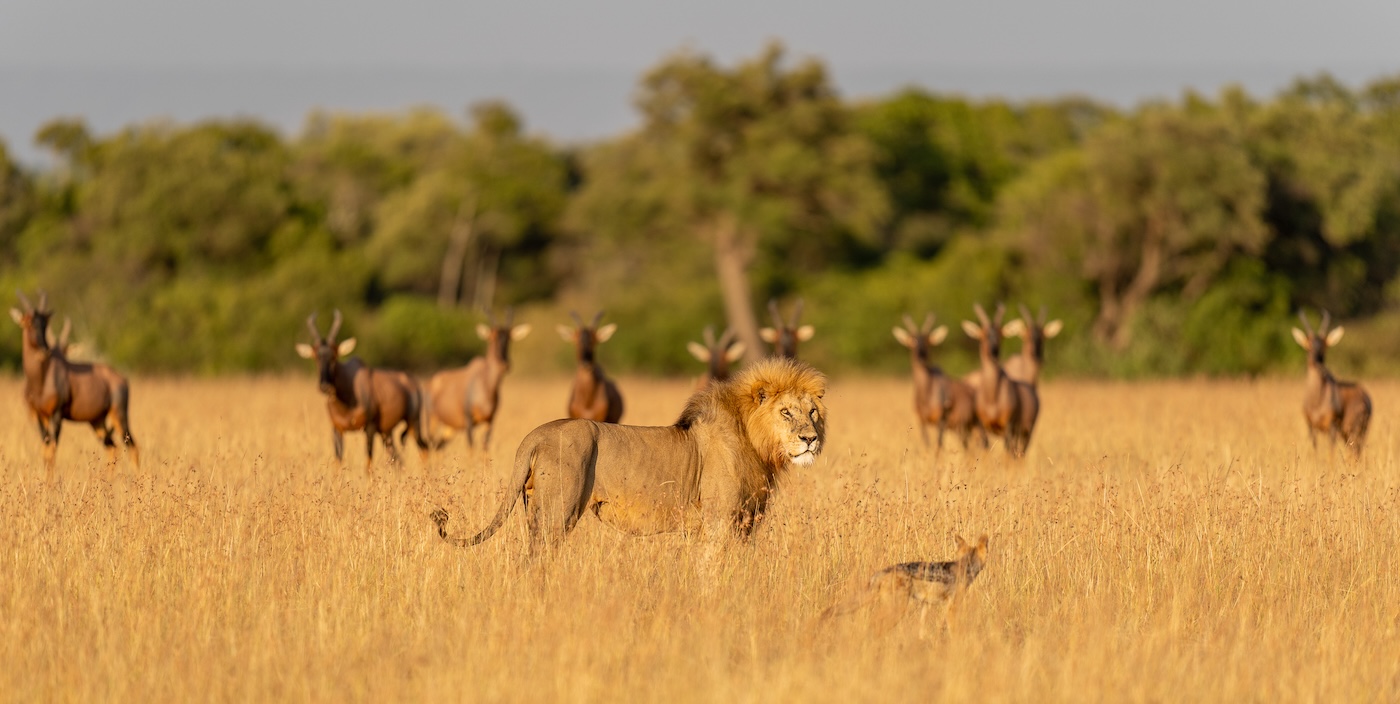
The Maasai Mara National Reserve is a crown jewel of African safari destinations, known worldwide for its incredible wildlife and the spectacular Great Migration. If you’re planning a visit, one of the most important questions is: When is the best time to go? The answer depends on what you want to see and experience, from witnessing the dramatic river crossings to enjoying quieter, greener landscapes. In this guide, we break down the seasons, migration timing, and off-peak advantages to help you choose the perfect time for your Maasai Mara adventure.
Images by Kaleel Zibe, Alan Hewitt, and Martin van Herwaarden
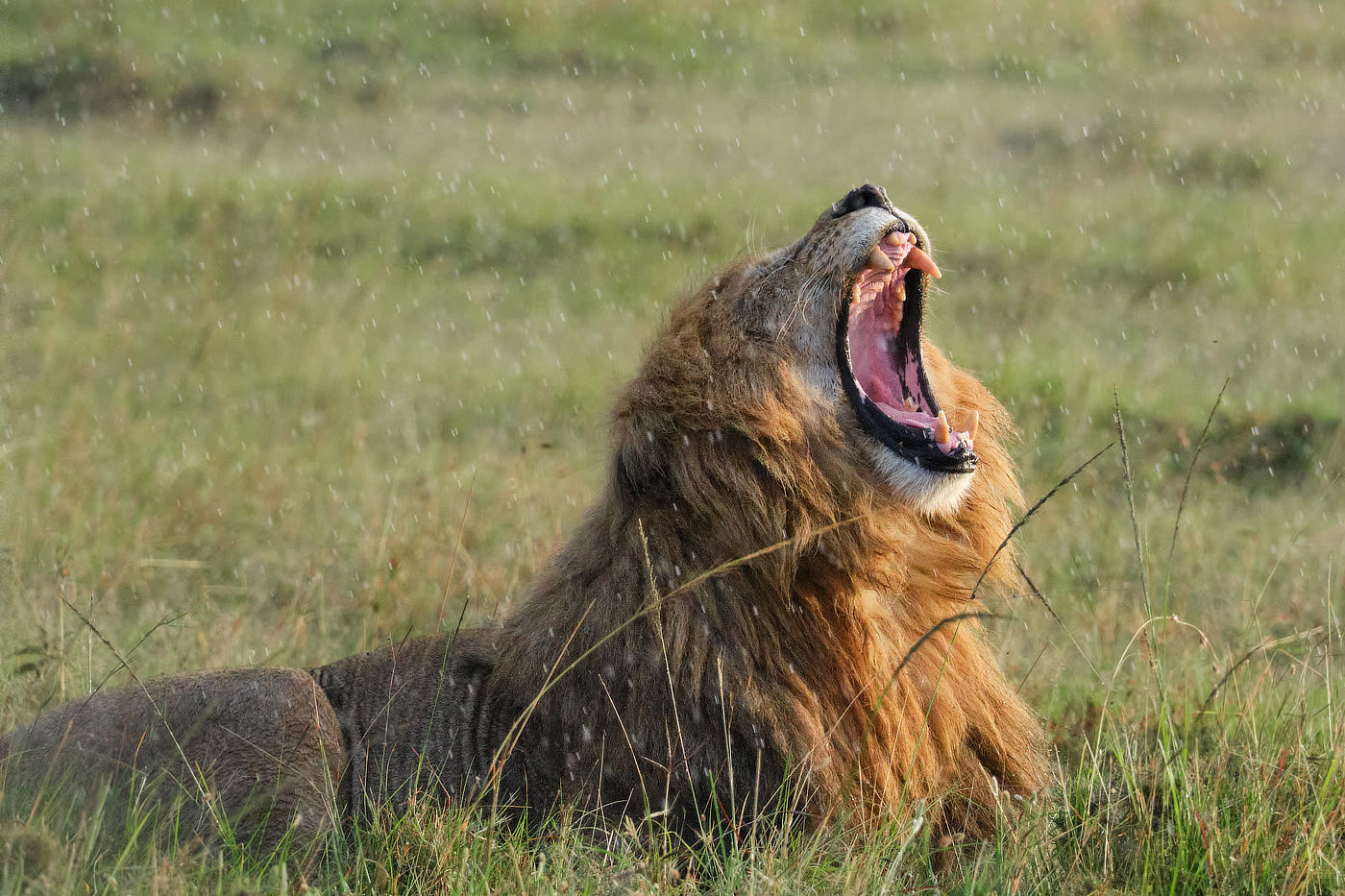
Understanding the Maasai Mara Seasons
The Maasai Mara’s climate broadly follows two main seasons: the dry season and the wet season. Each offers a distinct safari experience.
Dry Season (June to October)
The dry season is often considered the prime safari season in the Maasai Mara. During these months:
- Wildlife Concentration: As water sources dry up, animals congregate around rivers and permanent waterholes, making wildlife easier to spot.
- Great Migration Peak: This is the time when the legendary Great Migration reaches the Maasai Mara, usually from July through October. Huge herds of wildebeest, zebras, and gazelles cross the Mara River in dramatic and perilous crossings.
- Weather: Expect warm days and cool nights, with minimal rainfall.
- Road Conditions: Dry, making it easier to access remote parts of the reserve.
Because of the migration and excellent game viewing, the dry season attracts the most visitors, meaning lodges and camps can book up quickly and prices tend to be higher.
Wet Season (November to May)
The wet season, often split into the short rains (November-December) and long rains (March-May), brings a different set of advantages:
- Lush Scenery: The landscape transforms into a vibrant, green paradise filled with blooming flowers and fresh vegetation.
- Baby Animals: Many species give birth during or just after the rains, so you may see newborn wildebeest, zebras, and predators.
- Fewer Tourists: This is the low season, meaning fewer crowds and often better deals on accommodations.
- Birdwatching: The Mara becomes a haven for migratory and resident bird species, appealing to avid birdwatchers.
- Challenges: Rain can make some roads muddy and difficult to navigate, and some lodges may close temporarily.
Despite the challenges, the wet season offers a peaceful and beautiful safari experience with a chance to see the Mara from a different perspective.
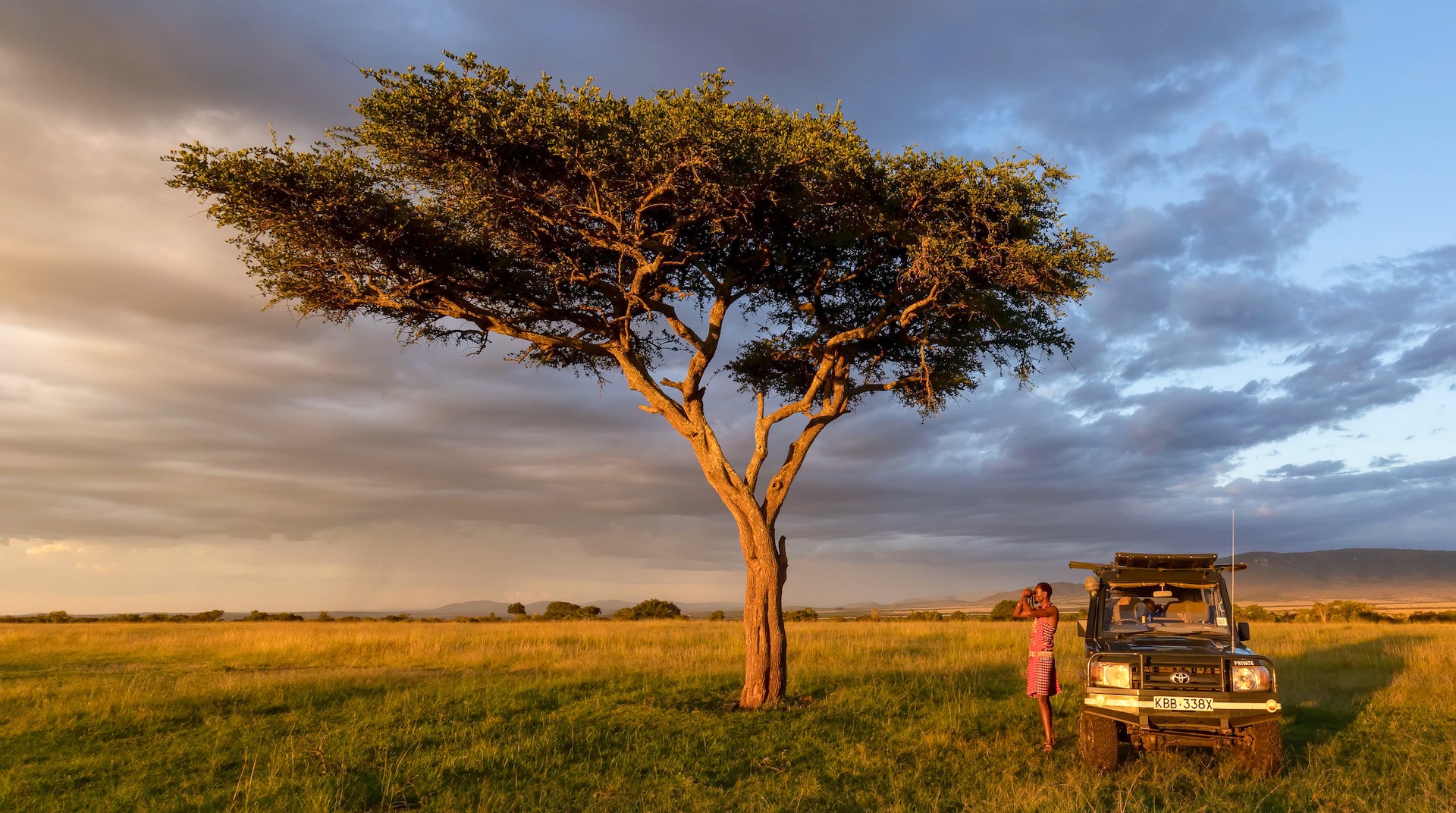
Timing Your Visit Around the Great Migration
The Great Migration is undoubtedly the biggest draw for many visitors. This incredible movement of over 1.5 million wildebeest, along with zebras and gazelles, follows a cyclical route between Tanzania’s Serengeti and Kenya’s Maasai Mara.
- July to September: The herds typically arrive in the Maasai Mara around July and stay through September. This is when the Mara experiences some of the most dramatic river crossings, as the animals brave crocodile-infested waters to reach fresh grazing.
- October: The herds gradually begin to move south again towards the Serengeti.
- January to March: The wildebeest calving season occurs in the southern Serengeti, not in the Mara.
- April to June: The migration tends to be in the Serengeti during the rains, so wildlife viewing in the Mara can be quieter.
If the Great Migration is your main focus, plan your trip between July and October for the best chance to witness this natural wonder.
Advantages of Visiting During Off-Peak Times
Visiting the Maasai Mara outside the peak migration season has its perks:
- More Privacy: Enjoy a more intimate safari experience with fewer tourists on game drives.
- Better Rates: Lower prices on accommodations and safari packages.
- Unique Wildlife Moments: See resident wildlife year-round, including predators like lions and leopards.
- Cultural Engagement: More opportunities to interact with Maasai communities without the crowds.
For travelers who prefer a quieter, more reflective experience or have a flexible schedule, the shoulder months of June or October can be ideal.
Practical Tips for Choosing the Best Time
- Consider Your Interests: Are you drawn by the thrill of the Great Migration or the beauty of a lush, green landscape?
- Weather Preferences: Do you prefer dry, sunny days or don’t mind occasional rains for a different perspective?
- Budget: Peak season comes with premium prices; off-peak can be more affordable.
- Wildlife Viewing: The Mara offers fantastic wildlife sightings year-round, but the migration adds extra drama and density.