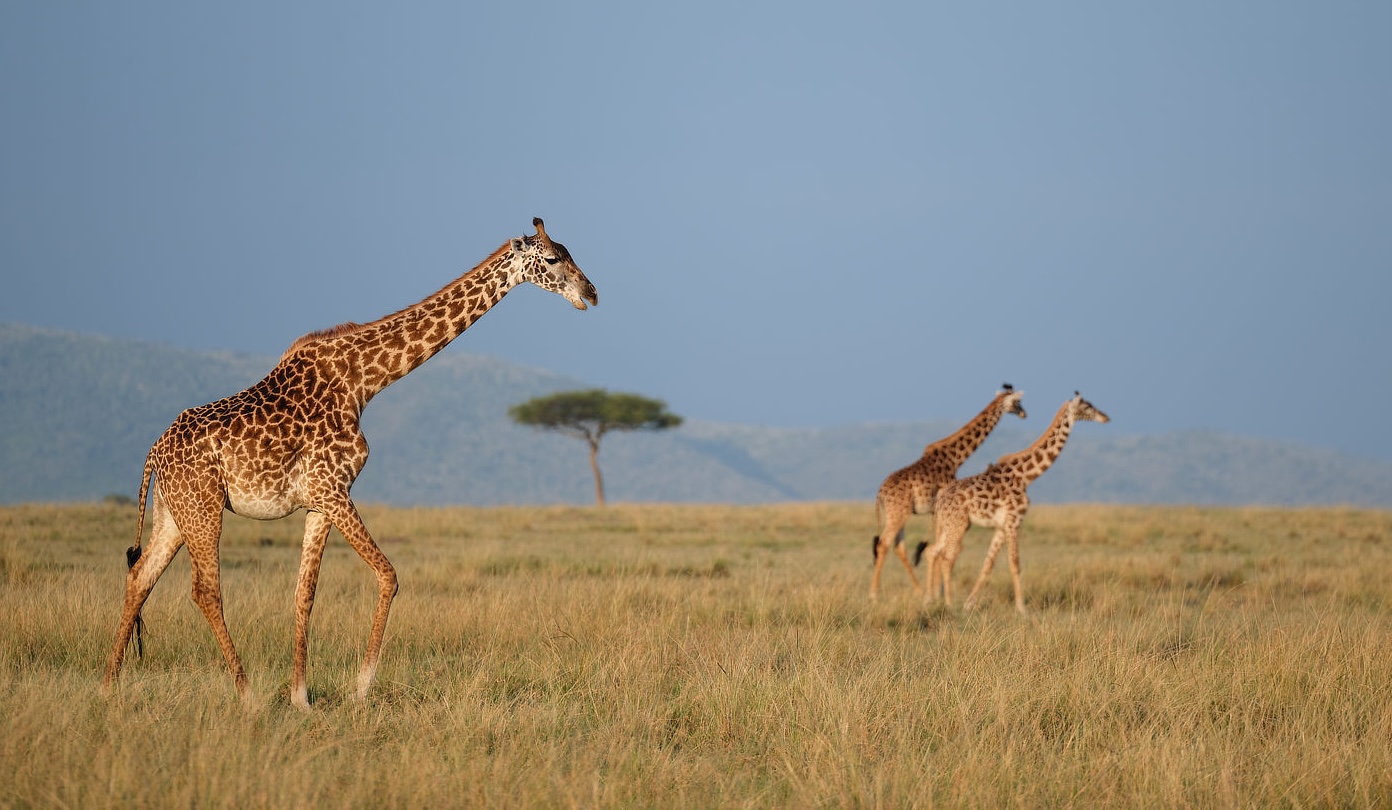
There are places that exceed their reputation, and places that don’t quite. The Maasai Mara is firmly in the first category. We’re biased, of course – Mattikoko has been our home and our work for years – but the Mara’s standing as one of the world’s great safari destinations isn’t marketing. It’s the landscape, the wildlife, the light, and something harder to name that you feel the moment the plane descends over the plains.
Here’s what actually makes it extraordinary.
Images by Kaleel Zibe and Alan Hewitt
The wildlife is genuinely exceptional, year-round
The Maasai Mara National Reserve covers around 1,500 square kilometres of southwestern Kenya, and together with the surrounding conservancies it forms the Greater Mara ecosystem – one of the most wildlife-dense landscapes on earth. The Big Five are all here: lions, elephants, leopards, buffalo, and black rhino. But that list, useful as it is for planning purposes, barely scratches the surface.
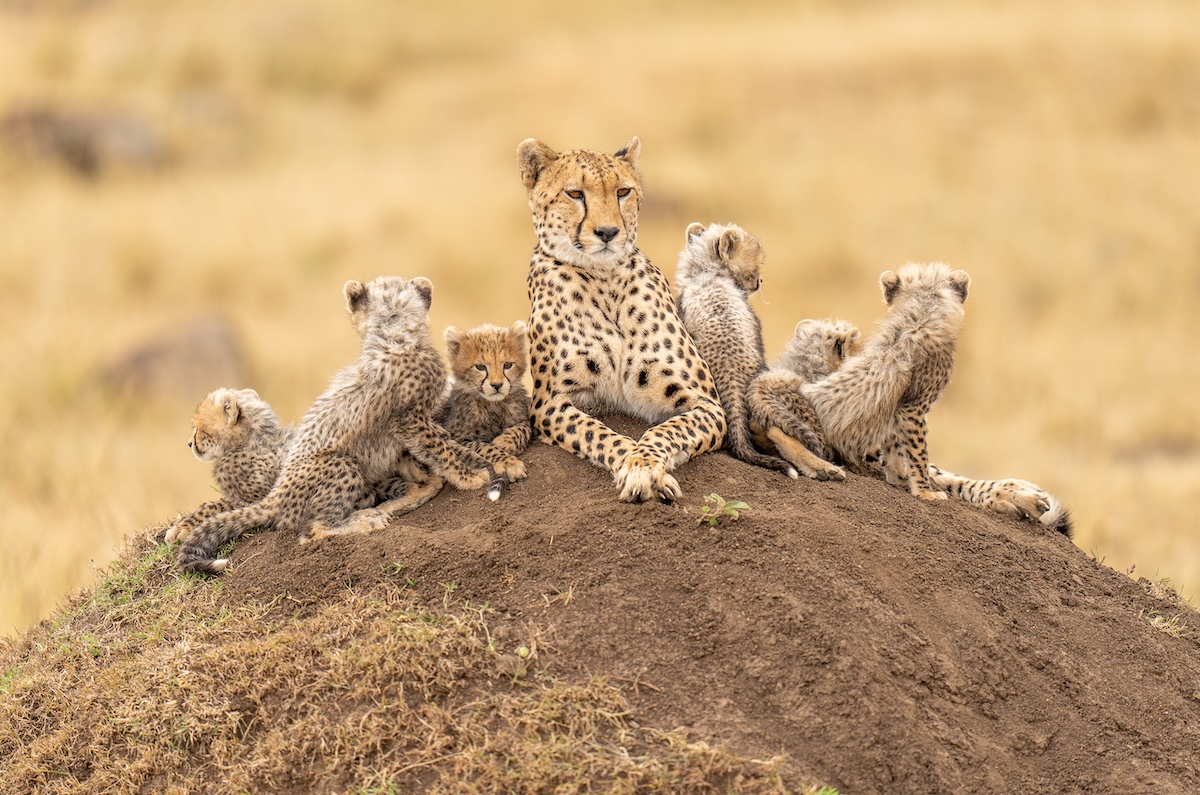
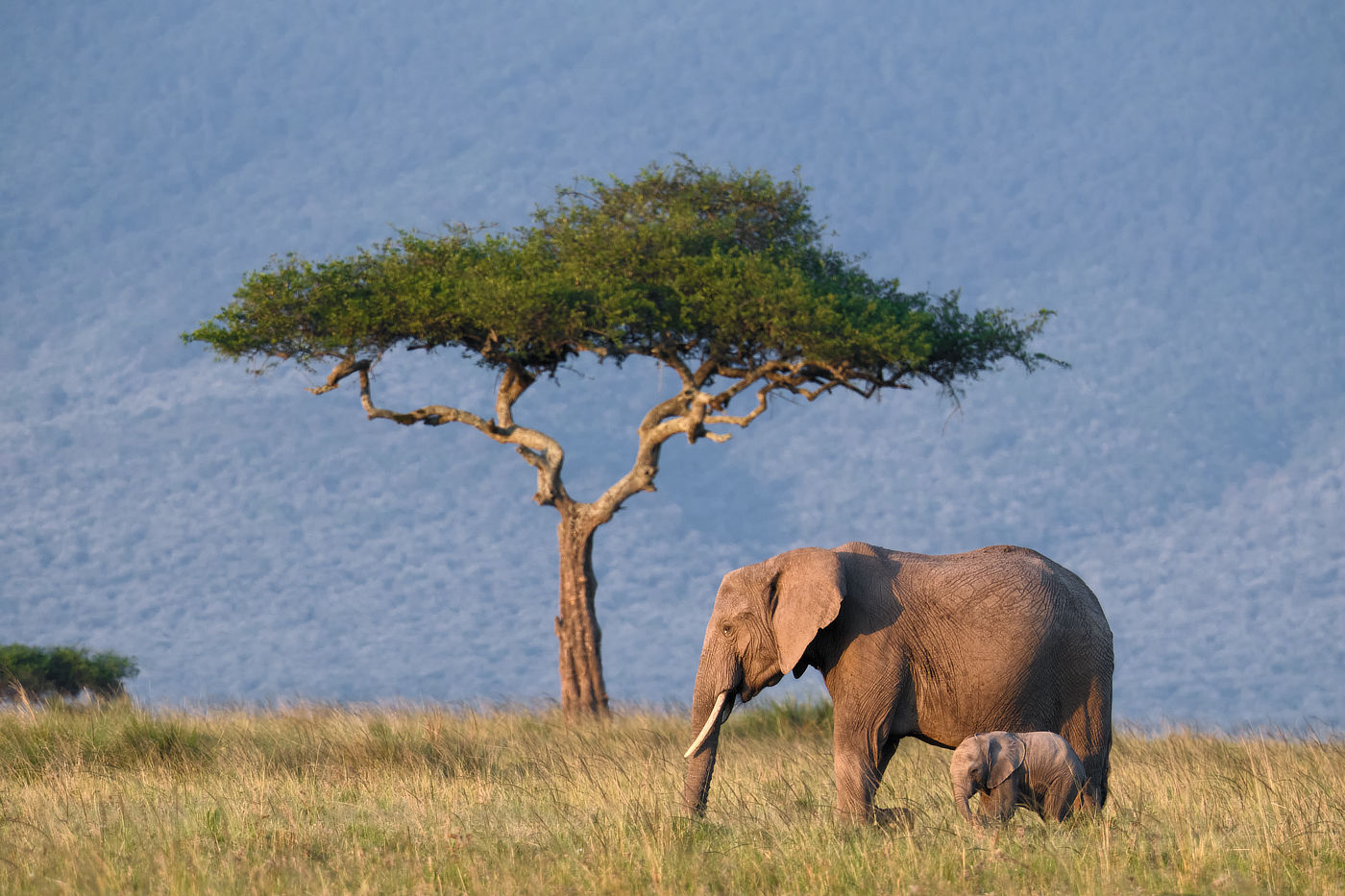
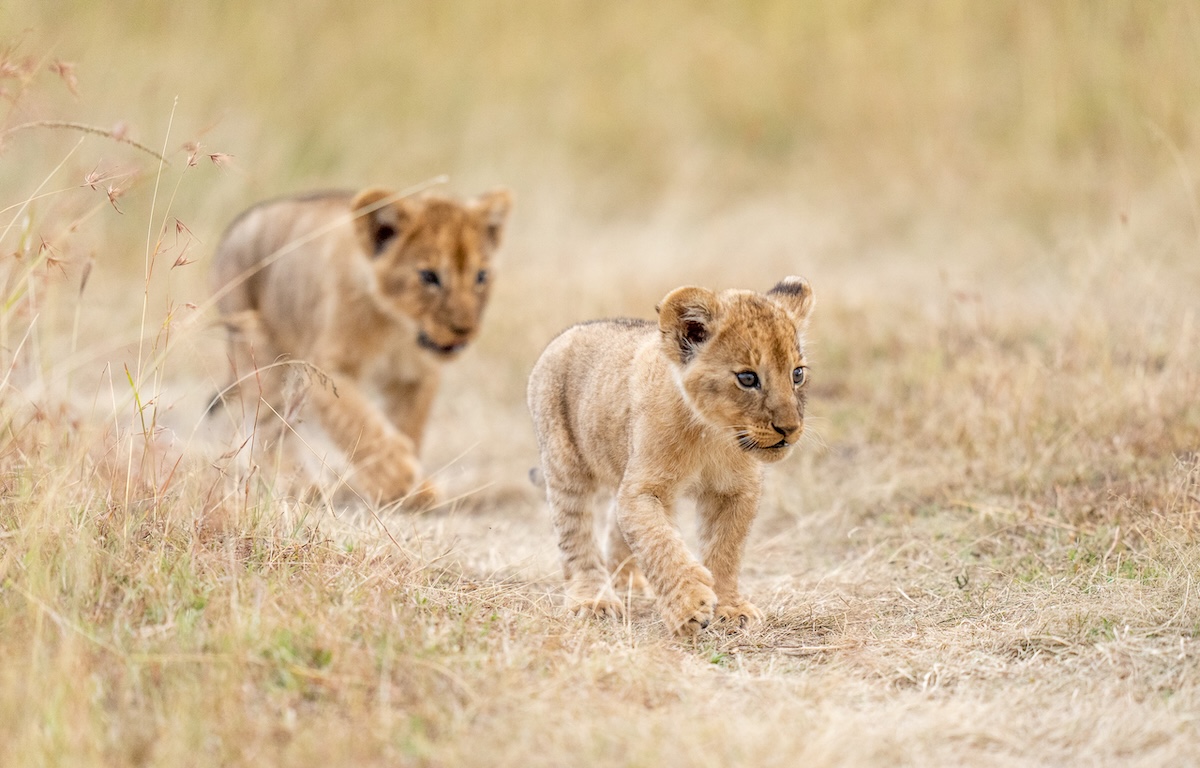
What makes the Mara different from other Big Five destinations is density and frequency. Lions are seen on most game drives, not as a highlight of a week-long trip. Leopards – elusive almost everywhere else – are regularly spotted in the riverine forest. Cheetahs have the open grassland they need. Elephants move through in large family herds. The sheer number of herbivores, like zebras, topi, impala, Thomson’s gazelle, eland, sustains a predator population that makes every drive feel genuinely unpredictable.
For birdwatchers, the ecosystem holds over 400 recorded species. The lilac-breasted roller alone is worth the trip.
The Great Migration
Every year, roughly 1.5 million wildebeest and hundreds of thousands of zebra move north from Tanzania’s Serengeti in search of fresh grazing, crossing into the Maasai Mara from July onwards. The river crossings (at the Mara River, where crocodiles wait and the herds hesitate before plunging in) are the images most people associate with the Mara, and they live up to every photograph you’ve seen.
But the migration is more than those crossing moments. It’s weeks of vast herds building on the plains, of predators following the movement, of the entire ecosystem shifting up a gear. Peak season runs August through September, though migration activity in the Mara can begin in late June and continue into October.
If witnessing the migration is your goal, we’ve written a full guide to the timing, the crossings, and what to expect from Lemek specifically.
The landscape
The Mara’s plains are vast in a way that photographs don’t fully capture. The sky dominates – huge and uninterrupted – and the light changes constantly: the cool blue of early morning giving way to the warm gold of the afternoon, the extraordinary colours of a Mara sunset that guests almost always mention unprompted.
The Mara River runs through the ecosystem, its banks lined with fig trees and dense vegetation that harbour leopards, hippos, crocodiles, and the concentrated birdlife that rivers always attract. Beyond the plains, the Oloololo Escarpment rises to the west – the dramatic edge of the Great Rift Valley, visible on clear mornings from across the conservancy.
The Maasai
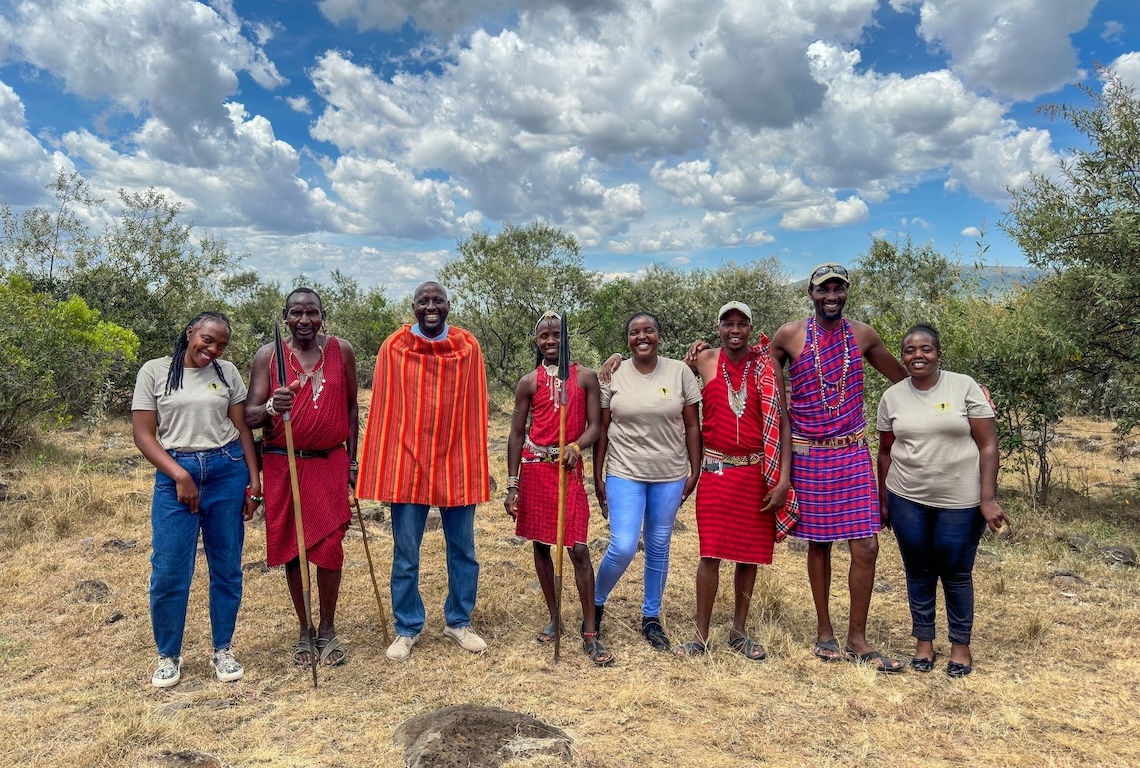
The reserve takes its name from the Maasai people, who have lived alongside the wildlife of this ecosystem for centuries. Their presence isn’t incidental; it’s the reason the landscape looks the way it does. Maasai pastoralism shaped the open plains; Maasai conservation values, formalised in the conservancy model, are what’s keeping the ecosystem intact today.
Staying in a Maasai-owned and run camp like Mattikoko gives guests access to that relationship directly. The guides here didn’t study the Mara from a textbook — they grew up in it. That changes every game drive, every walk, every evening conversation around the fire.
A Guide to Lemek Conservancy →
Meet Titimet: One of Kenya’s 22 Gold Standard Safari Guides →
A word on the conservancies
The Maasai Mara National Reserve is extraordinary, but it is increasingly busy, particularly during migration season. The conservancies that border it offer the same wildlife, the same landscape, and often the same game drive experience, with one crucial difference: far fewer vehicles. In Lemek Conservancy, where Mattikoko is based, camp numbers are strictly controlled and off-road driving is permitted. The encounters feel different when you’re not sharing them with a dozen other vehicles.
For anyone researching where to stay in the Mara, understanding the difference between the Reserve and the conservancies is one of the most useful things you can do before you book.
How to Avoid Crowds in the Maasai Mara →
Affordable vs Luxury Safari in the Maasai Mara →
When to go
Migration season (July–October) is peak season for a reason, but the Mara is exceptional year-round. The green season (November–April) brings a transformed landscape, fewer visitors, lower rates, and outstanding birdwatching. Many guests who visit in both seasons find the green season quietly extraordinary.
Ready to see it for yourself?
If you’re planning a first trip or a return visit, we’d love to help. Get in touch and we’ll answer your questions, talk through timing, and make sure you arrive properly prepared, and suitably excited.