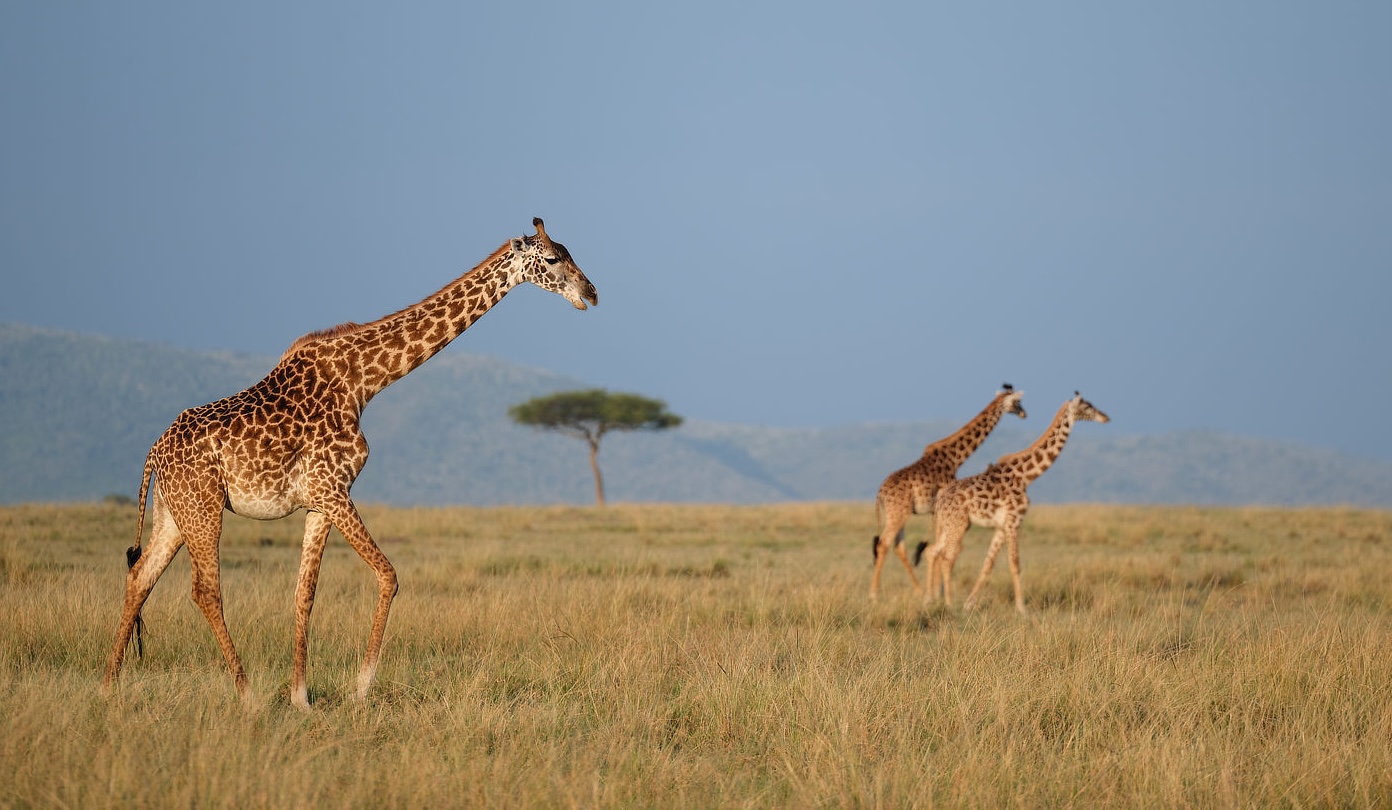
The Greater Maasai Mara ecosystem, nestled in southwestern Kenya, is one of the most celebrated wildlife sanctuaries on the planet. Renowned for its breathtaking landscapes, extraordinary biodiversity, and the world-famous Great Migration, the Maasai Mara is often the first name that comes to mind when people think about African safaris. And call us biased, but at Mattikoko we think the Mara lives up to its reputation. Simply put, the Maasai Mara offers the essence of Africa’s untamed beauty.
Images by Kaleel Zibe and Alan Hewitt
A Land Rich in Wildlife
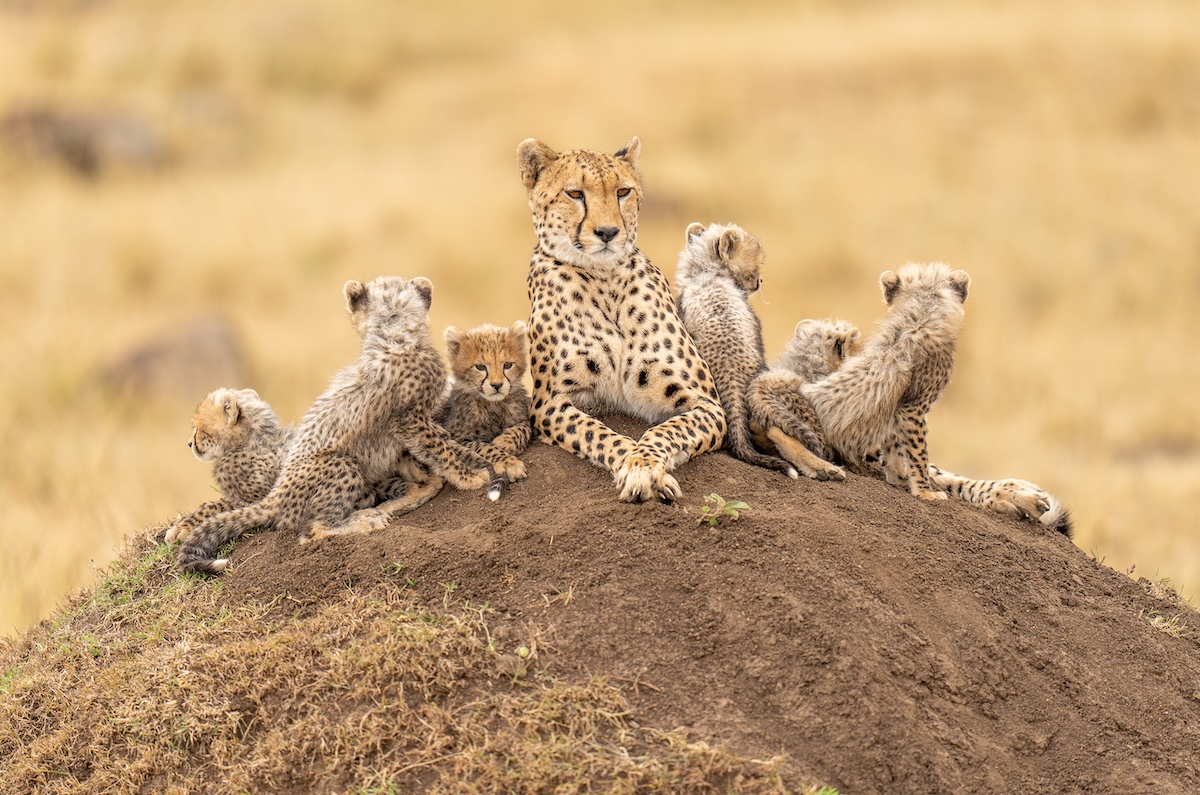
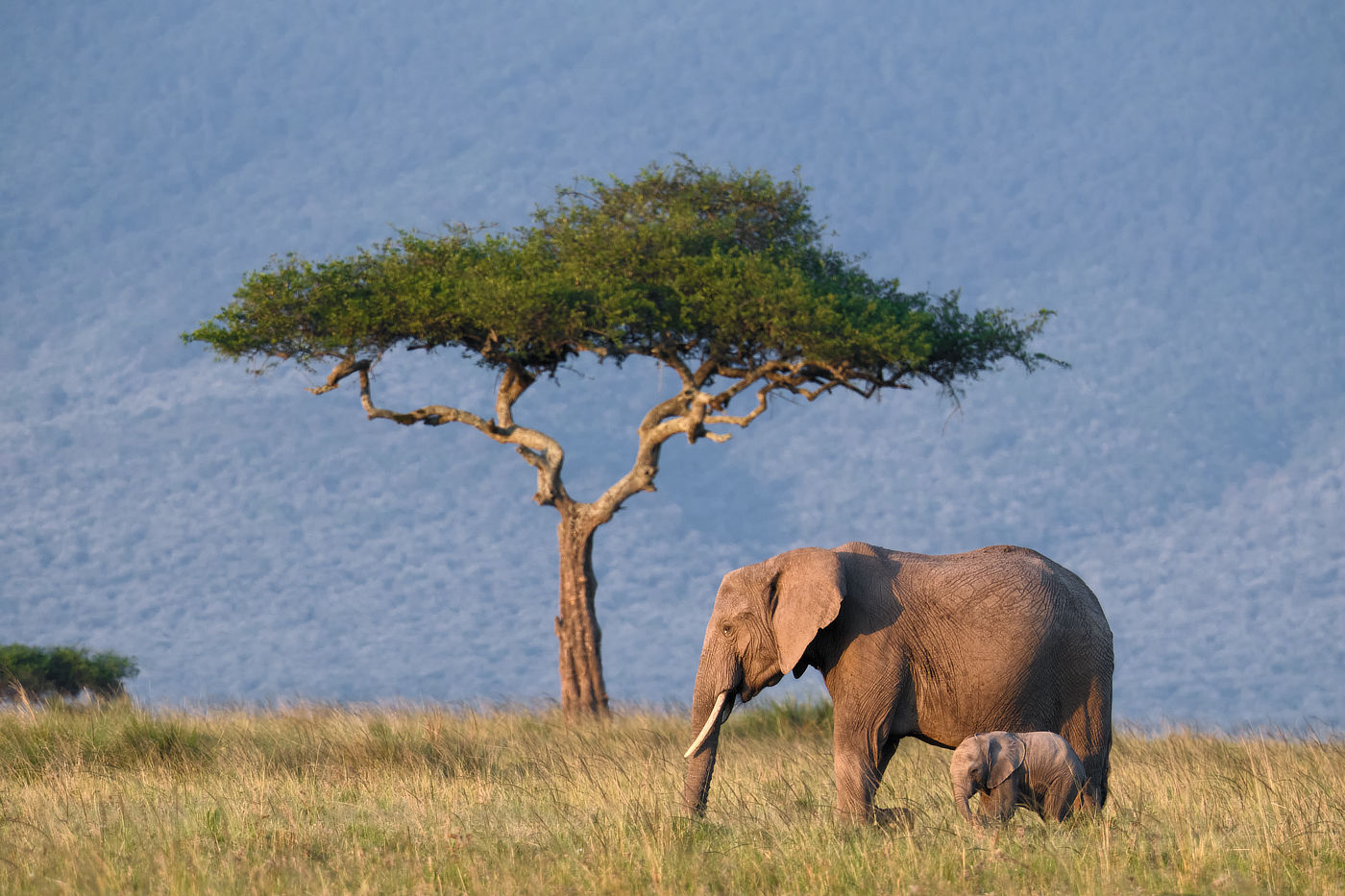
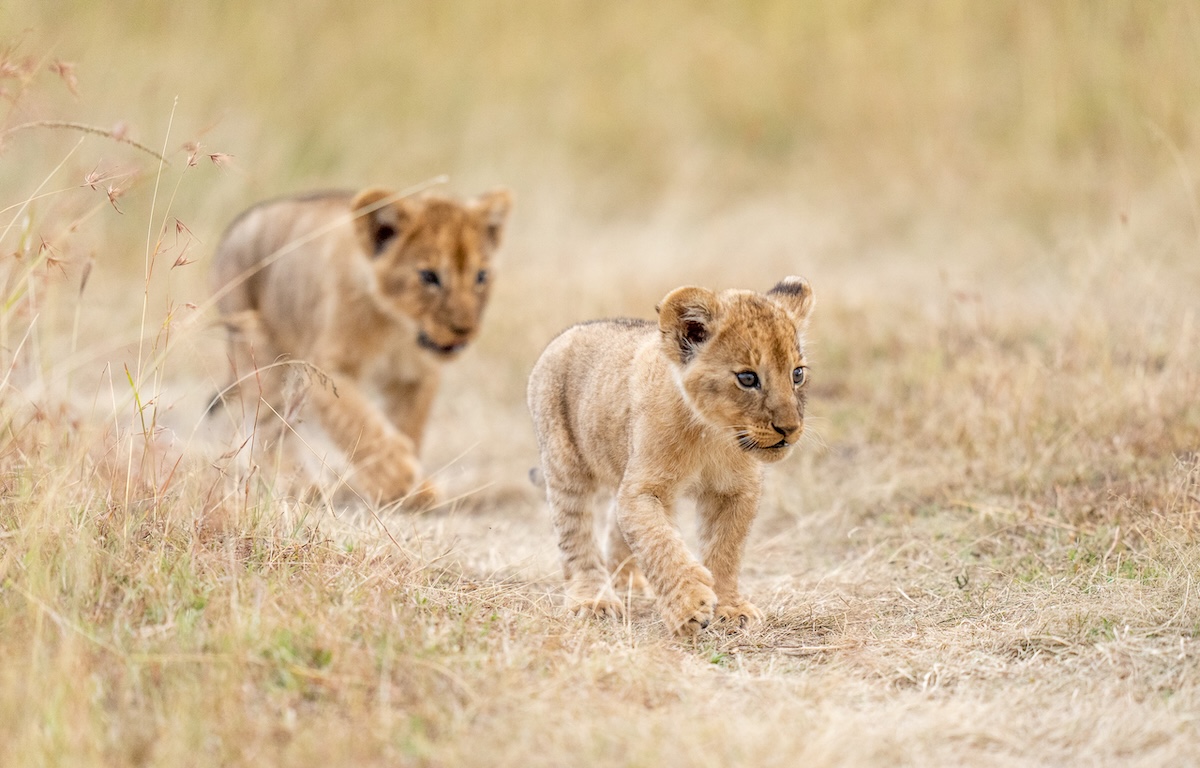
One of the biggest draws of the Maasai Mara is its extraordinary variety of wildlife. The reserve spans over 1,500 square kilometers (about 580 square miles) and is home to an astonishing array of animals, including the famous “Big Five”: lions, elephants, leopards, rhinoceros, and Cape buffalo. Here in the Mara, you can witness these majestic creatures roaming freely in their natural habitat, a sight that’s both thrilling and humbling.
But the Maasai Mara’s wildlife is not limited to the Big Five. It is also home to cheetahs, hippos, crocodiles, giraffes, zebras, hyenas, and countless species of birds. The reserve’s diverse ecosystems – from open savannahs and rolling grasslands to riverine forests and acacia woodlands – support this rich biodiversity, framing the wildlife in stunning and ever-changing vistas.
The Great Migration: Nature’s Greatest Spectacle
Perhaps the most iconic feature of the Maasai Mara is its role in the Great Migration. Every year, more than 1.5 million wildebeest, accompanied by hundreds of thousands of zebras and gazelles, embark on an epic journey from Tanzania’s Serengeti National Park to the Maasai Mara. This massive movement is driven by the search for fresh grazing and water, and it unfolds in a continuous cycle that has been taking place for millennia.
The timing of the migration’s arrival in the Maasai Mara – typically between July and October – offers visitors a front-row seat to one of nature’s most dramatic events. Watching vast herds thunder across the plains, often crossing crocodile-infested rivers like the Mara River, is an undeniably impressive sight. The migration also attracts numerous predators, including lions, leopards, and crocodiles, providing action-packed predator-prey encounters that make the safari experience a particularly thrilling one.
Stunning Scenery and Iconic Landscapes
Beyond the wildlife, the Maasai Mara is renowned for its stunning scenery. The reserve’s rolling plains stretch endlessly under a vast sky, painted with dramatic sunrises and sunsets that bathe the landscape in golden hues. Acacia trees, with their distinctive flat canopies, dot the savannah, adding to the quintessential African safari aesthetic.
The Mara River snakes through the reserve, its banks lined with dense vegetation that supports hippos, crocodiles, and birds. The river is the focal point for many dramatic moments during the Great Migration, as animals brave the dangerous crossing. Beyond the plains, the reserve is flanked by hills and escarpments that offer spectacular vantage points for panoramic views and birdwatching.
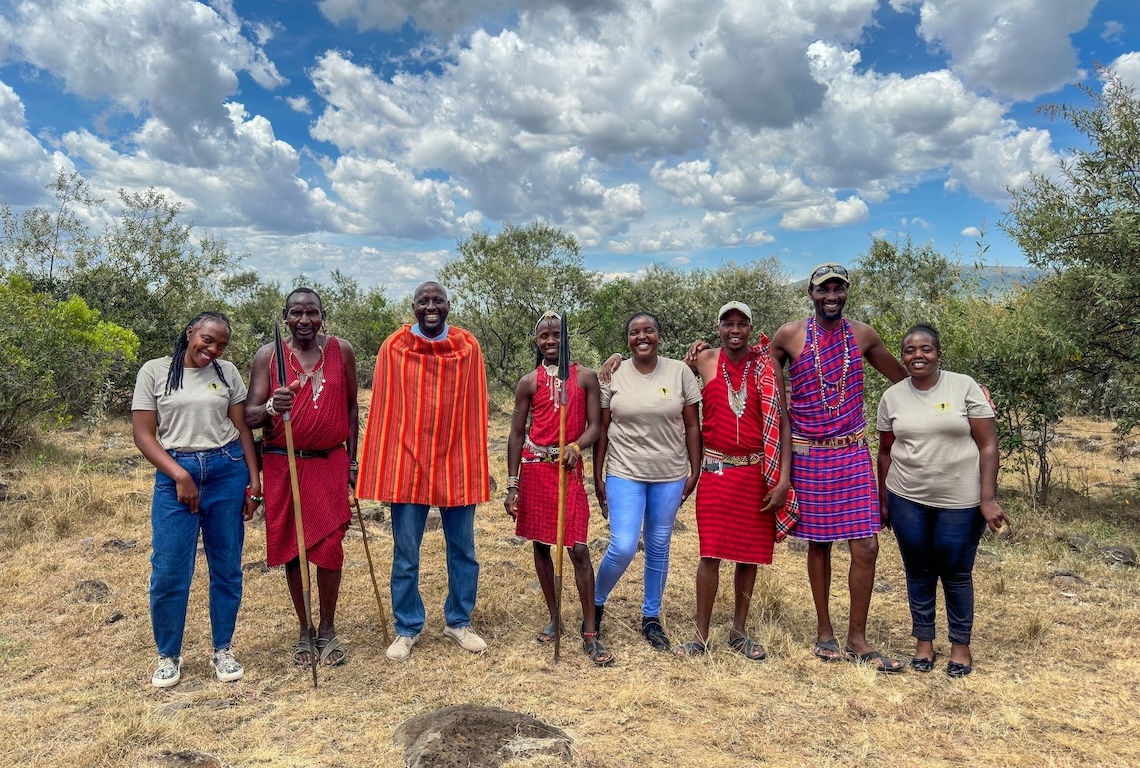
A Cultural Experience with the Maasai People
The Maasai Mara is not only a wildlife haven but also a place rich in cultural heritage. The reserve is named after the Maasai people, a semi-nomadic tribe known for their vibrant customs, striking red shukas (cloaks), and deep connection to the land and animals. Visiting the Maasai Mara provides a unique opportunity to learn about Maasai culture – especially if you stay in a Maasai-run lodge like ours.
Conservation and Responsible Tourism
The Maasai Mara is a shining example of successful conservation efforts in Africa. The reserve is managed in partnership with the Maasai community and various conservation organizations to protect the land and its wildlife. Responsible tourism practices are encouraged to minimize human impact, preserve habitats, and support local livelihoods.
Visitors to the Maasai Mara are urged to respect wildlife, adhere to park rules, and support eco-friendly accommodations and tour operators. By traveling responsibly, tourists contribute to the ongoing protection of this iconic destination, ensuring future generations can continue to marvel at its natural wonders.
When to Visit and Practical Tips
The best time to visit the Maasai Mara largely depends on your interests. If witnessing the Great Migration is your goal, plan your trip between July and October. The dry season (June to October) is also the best time for general game viewing, as animals gather around water sources, making sightings more predictable.
The rainy season (November to May) brings lush greenery and fewer tourists, offering a quieter experience and excellent birdwatching opportunities.
If you come and visit us at Mattikoko, we’ll be ready to answer all your questions, send you suggestions of what to bring, and make sure you’ll be fully prepared for – and suitably excited about – your stay with us!