Why Choosing a Maasai-Owned Safari Camp Matters
Safari tourism plays a major role in the economy of the Maasai Mara ecosystem, attracting visitors from around the world. However, not all safari camps are structured in the same way, and the benefits of tourism are distributed unevenly. Understanding who owns, manages, and works in a camp is an important part of assessing its relationship with local communities.
Mattikoko Safari Camp is one example of a community‑led tourism operation within the Maasai Mara ecosystem. Fully owned by Maasai locals, including founder Moses (Titimet) Nampaso, one of Kenya’s 30 elite gold-standard guides, the camp employs staff from nearby communities, ensuring that tourism revenue circulates within the region rather than flowing to external investors. This article explains what community‑led or Maasai‑owned safari tourism means in practice, and why it matters when you book your Maasai Mara safari.
Images by Alan Hewitt and Kaleel Zibe
What Is Community‑Led Safari Tourism?
In the Maasai Mara, much of the land surrounding the national reserve is owned by Maasai families. Rather than being sold, this land is often leased for conservation and tourism purposes. Camps operating on this land may follow different ownership and management models:
- Some are owned by international or Nairobi‑based companies, with senior management and profits largely based outside the local area.
- Others are owned or co‑owned by Maasai individuals or families, with local leadership playing a central role in daily operations and long‑term decision‑making.
Community‑led safari tourism generally refers to camps where local people have a meaningful ownership stake, participate in management, and benefit directly through employment, income, and land‑use agreements. While outcomes vary between camps, this model aims to keep more economic and decision‑making power within the local community.
Conservancies and Community Land Use
Many safari camps in the Maasai Mara ecosystem operate within conservancies rather than inside the national reserve itself. Conservancies are areas of community‑owned land that are set aside for wildlife conservation and low‑impact tourism. Landowners lease their land for this purpose, creating wildlife corridors and limiting development density.
For landowners, conservancies can provide a regular source of income while allowing them to retain ownership of their land. For visitors, they offer wildlife viewing in areas that are often less crowded than the national reserve. The effectiveness of conservancies depends on how individual agreements are structured and managed, but they are a common feature of community‑linked tourism in the Mara.
Mattikoko is located within the Lemek Conservancy, part of this wider conservancy landscape.
Mattikoko Safari Camp: Ownership and Management
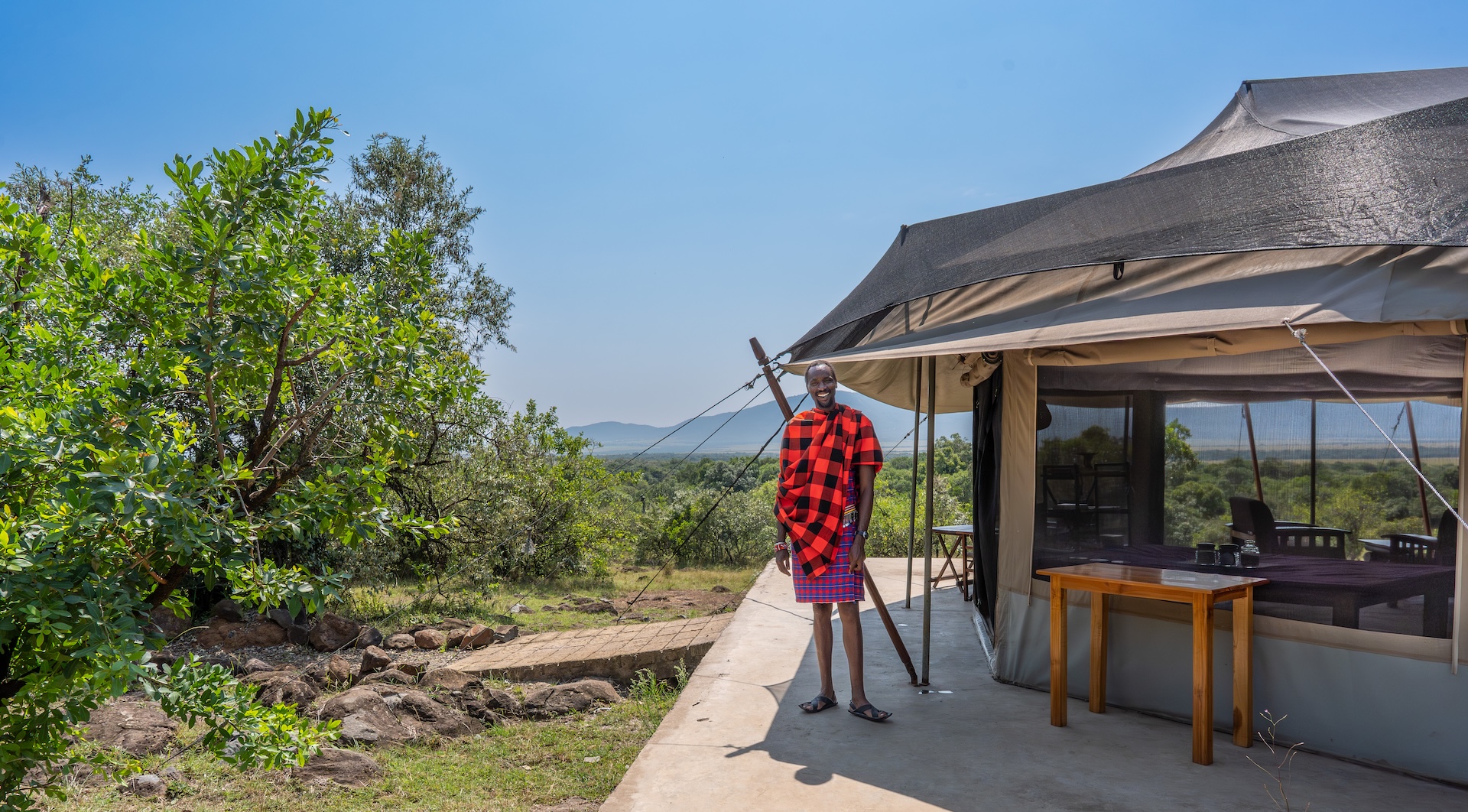
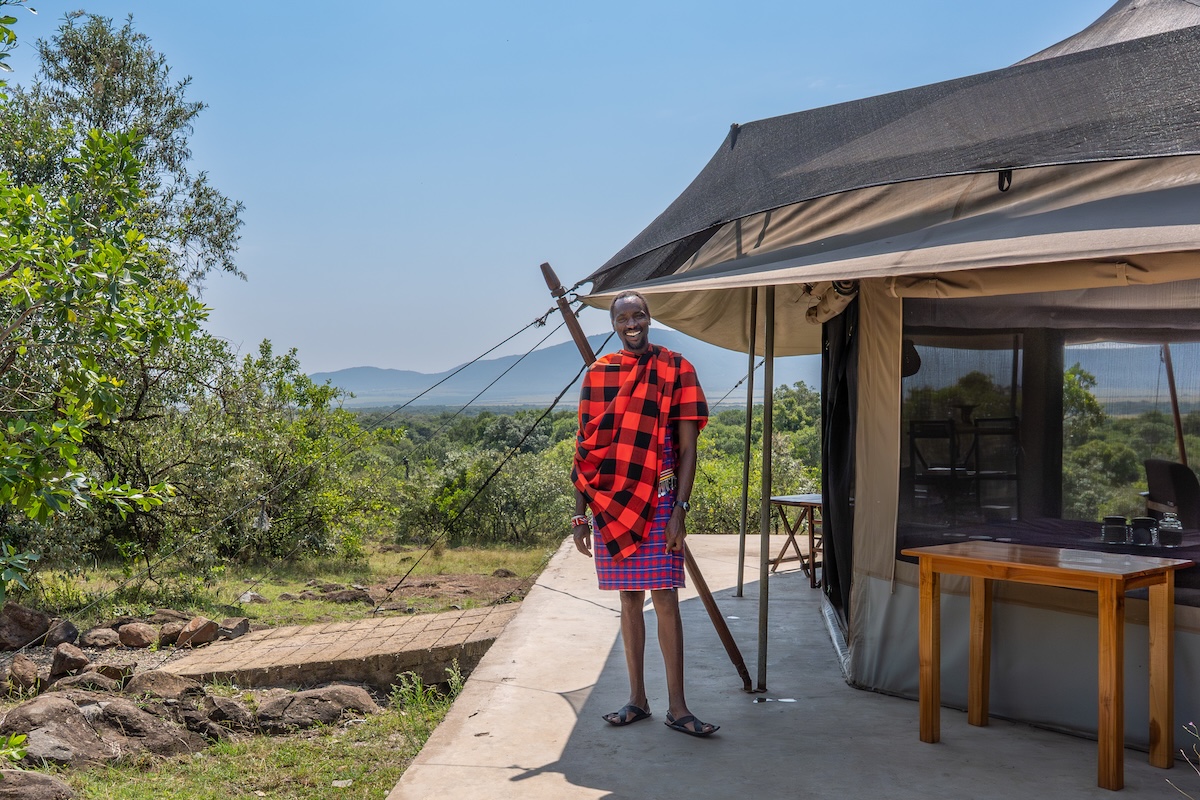
Mattikoko Safari Camp is owned and run by Maasai entrepreneurs Moses (Titimet) Nampaso and Marion Nampaso. Unlike many safari camps in the region, ownership, leadership, and on‑the‑ground management are not separated across different organisations or countries.
This ownership structure influences how the camp operates, from staffing decisions to guest experiences. The camp employs a predominantly local team, including guides and hospitality staff from nearby Maasai communities. Decision‑making remains closely connected to the people who live on and around the land where the camp operates.
Employment and Local Participation
Employment is one of the most direct ways tourism affects local communities. At Mattikoko, staffing focuses on local recruitment and training, particularly in guiding, camp operations, and hospitality roles.
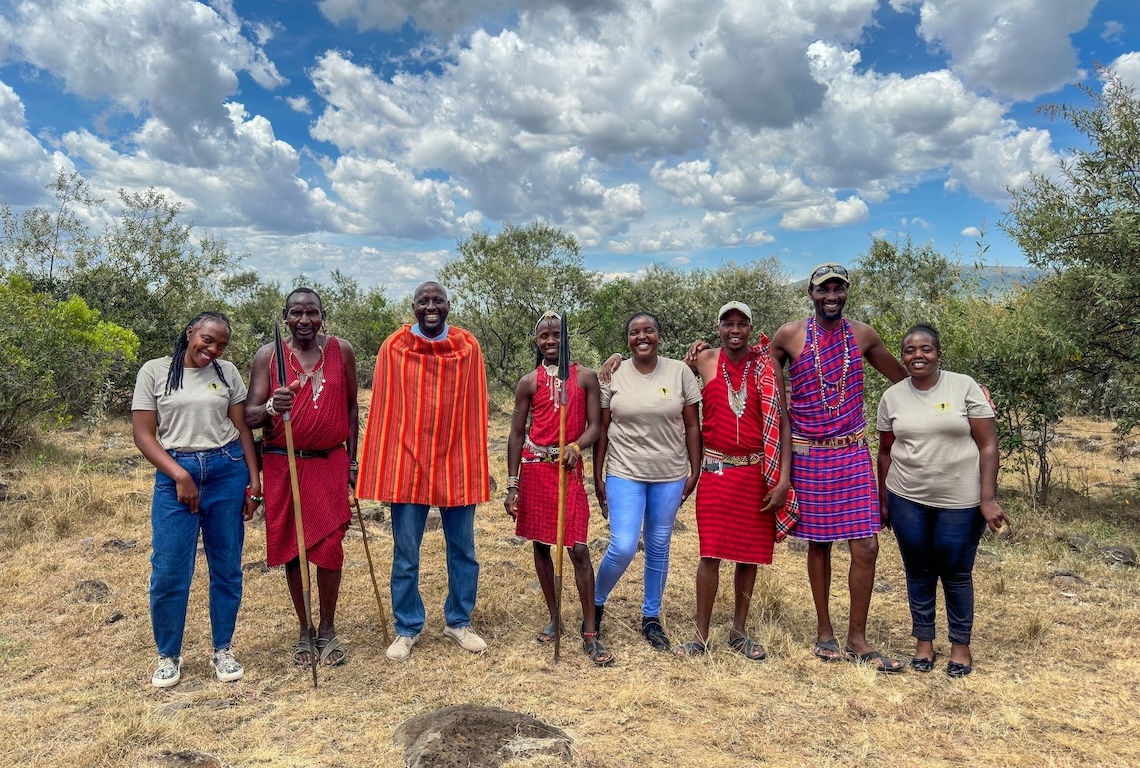
The full team on the ground is Maasai, including the guides, who bring personal knowledge of the landscape, wildlife, and culture, shaped by growing up in the area. This approach contrasts with models where guides and senior staff are frequently rotated in from outside the region, sometimes limiting long‑term local capacity building.

Guest Experience and Cultural Interaction
Community‑led camps are often described as offering more personal or locally grounded experiences, but this can be subjective. In practical terms, at Mattikoko this means that guests interact directly with camp owners, guides, and staff who live within the surrounding community.
Cultural elements are not presented as scheduled performances, but rather through everyday interactions, conversations, and optional village visits arranged with local residents. This approach aims to reduce the risk of cultural experiences becoming purely transactional, although the effectiveness of this depends on individual expectations and engagement.
Tourism Models and Local Benefit
Safari tourism in East Africa includes a wide range of models, from high‑end luxury lodges to smaller, owner‑run camps. Luxury tourism can generate significant revenue, but research and industry analysis have shown that profits and leadership are often concentrated away from rural communities.
Community‑owned or community‑led camps such as Mattikoko aim to address this imbalance by keeping ownership, employment, and many economic benefits closer to the local area. This does not mean that all community‑led camps produce identical outcomes, nor that all externally owned camps fail to benefit local people. Rather, ownership and governance structures play a significant role in shaping how benefits are distributed.
Towards a More Informed Tourism Landscape
As tourism continues to shape the Maasai Mara, questions around land use, conservation, and local livelihoods are likely to become increasingly important. The future of safari tourism in the region will depend not only on visitor numbers, but on how camps are owned, managed, and integrated into the social and ecological landscape.
For travellers, making a well-considered choice involves looking beyond location and amenities to understand who owns a camp, where its staff come from, and how it operates within the wider community. Taking the time to research different tourism models can help visitors align their travel decisions with their values, while supporting approaches that aim to balance conservation, cultural integrity, and long-term local benefit.