
Lion, leopard, and cheetah encounters with a difference
There are places in Africa where the land seems to breathe predators. Lemek Conservancy is one of those places. Sitting within the Greater Maasai Mara ecosystem in Kenya, Lemek is one of East Africa’s most consistently rewarding destinations for big cat sightings. It’s a thriving haven for big cats, where leopards lounge in acacia trees, lions roam in powerful prides, and cheetahs sprint across open plains. But what makes Lemek such a hotspot for these majestic felines? Let’s explore the reasons behind its big cat bounty, from its unique landscape to dedicated conservation efforts.
Images by Alan Hewitt and Kaleel Zibe
A Prime Location in the Heart of the Mara
Nestled in the northern reaches of the Maasai Mara, Lemek Conservancy spans a compact yet diverse area of open grasslands, scattered acacia woodlands, and riverine forests along the Mara River. This strategic position serves as a crucial wildlife corridor, connecting the national reserve with surrounding areas and allowing animals to move freely. Unlike the more crowded Maasai Mara National Reserve, Lemek offers exclusive, off-road game drives with fewer vehicles, giving you intimate views of wildlife without the distractions.
The conservancy’s varied habitats are key to its appeal for big cats. The open savannahs provide perfect hunting grounds, while the riverbanks lined with trees offer shade and vantage points. Add in abundant prey species like zebras, gazelles, and wildebeest (especially during the Great Migration from July to October) and you’ve got a recipe for predator paradise. During migration season, Lemek transforms into a bustling hotspot, with massive herds drawing in lions, leopards, and cheetahs for dramatic hunts.
The Mighty Lions: Kings of the Pride
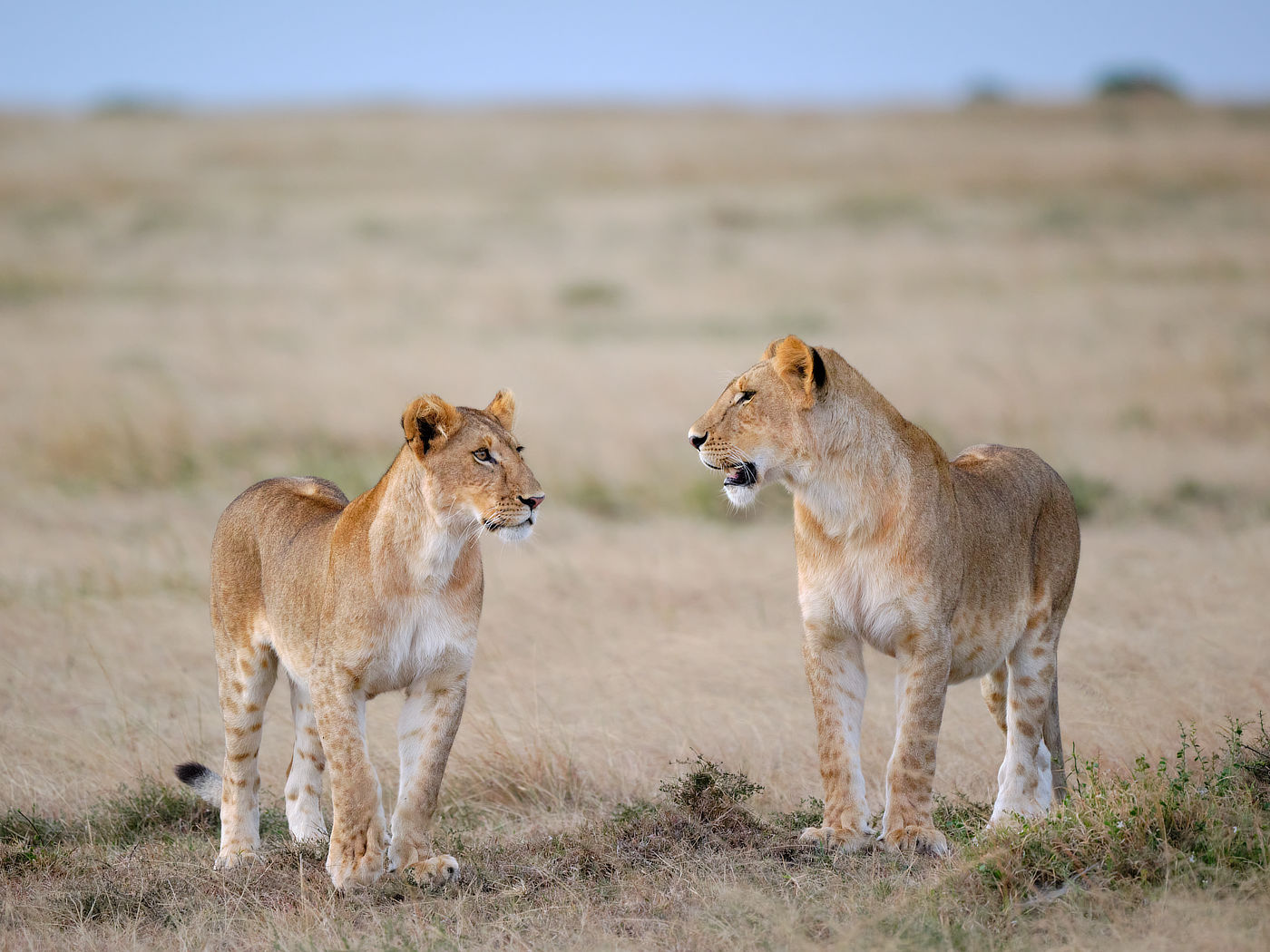
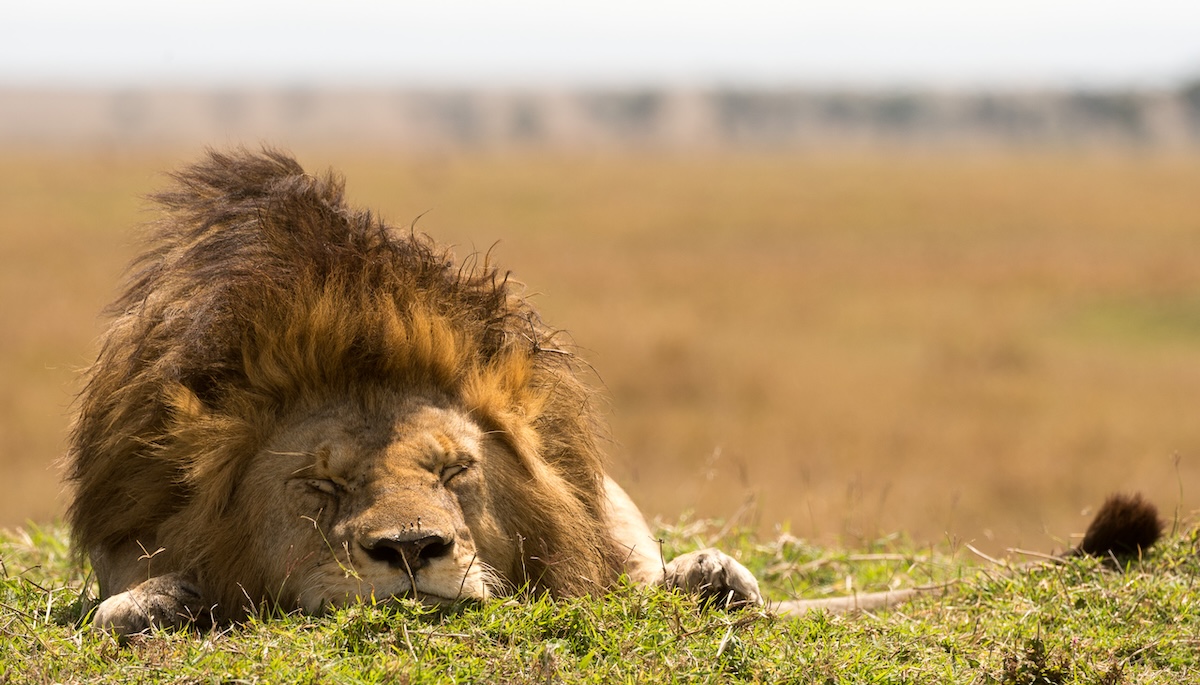
Lions are the undisputed stars of Lemek, with high-density populations that make sightings almost guaranteed. The conservancy hosts several large prides, often seen lounging in the shade or coordinating hunts on the plains. What sets Lemek apart? Its role in ongoing lion research and conservation, part of broader efforts in the Maasai Mara conservancies. These prides benefit from the area’s thriving prey base, which sustains their social structures and allows for frequent cub sightings, especially from January to March when predator activity peaks.
Elusive Leopards: Masters of Camouflage
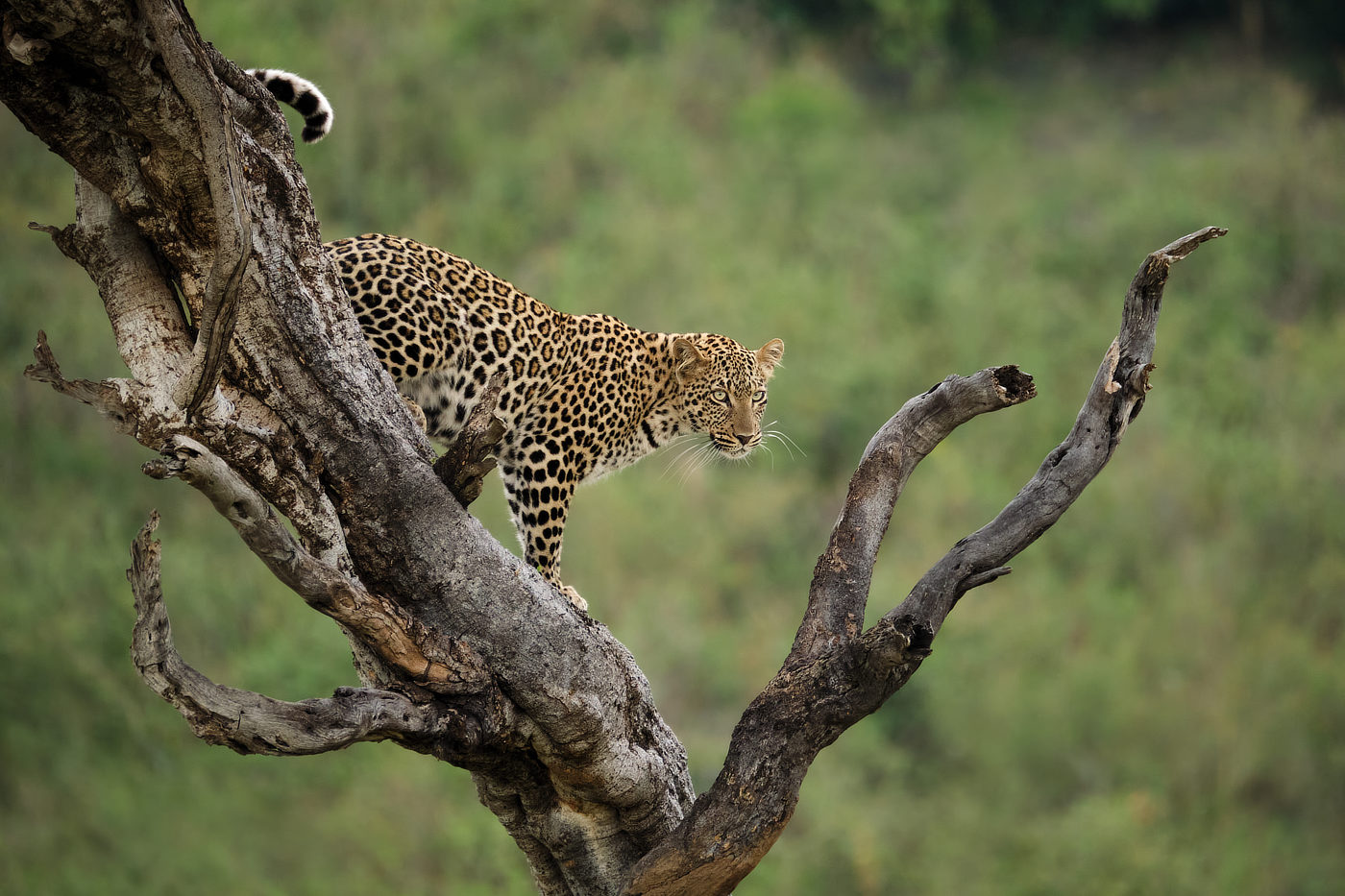
Leopards are notoriously shy, but in Lemek, they’re surprisingly visible. The abundance of trees along the riverbanks provides ideal perches for these solitary hunters, who often drape themselves over branches to scan for prey or escape the heat. Big cats like leopards favor these dotted acacias, making Lemek one of the best spots in the Mara for leopard sightings.
Their adaptability to wooded areas, combined with a steady supply of smaller prey like impalas and birds, ensures healthy populations. Night drives in the conservancy can reveal these nocturnal beauties in action, hauling kills up trees to protect them from scavengers.
Speedy Cheetahs: Sprinters of the Savanna
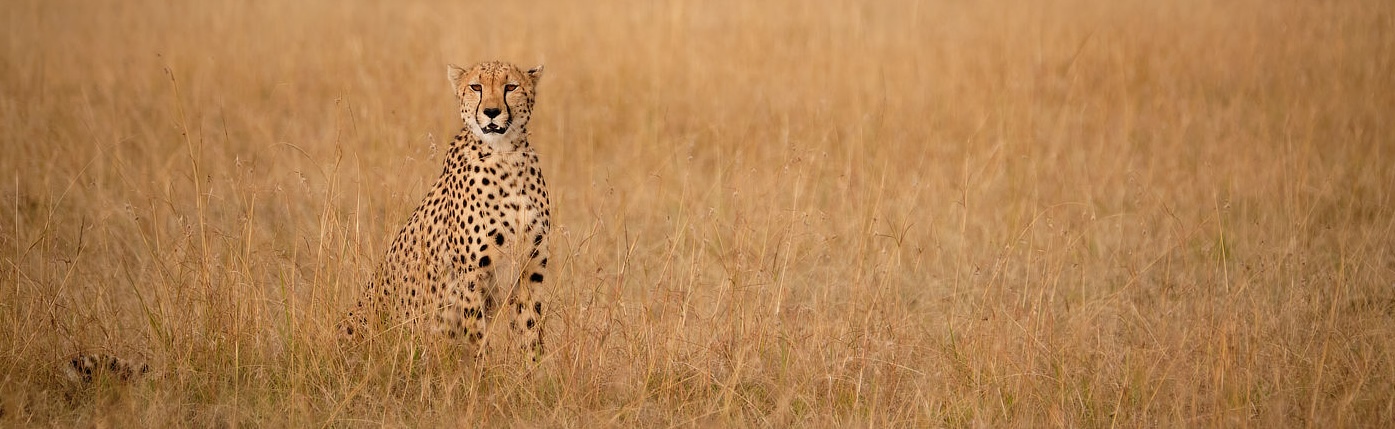
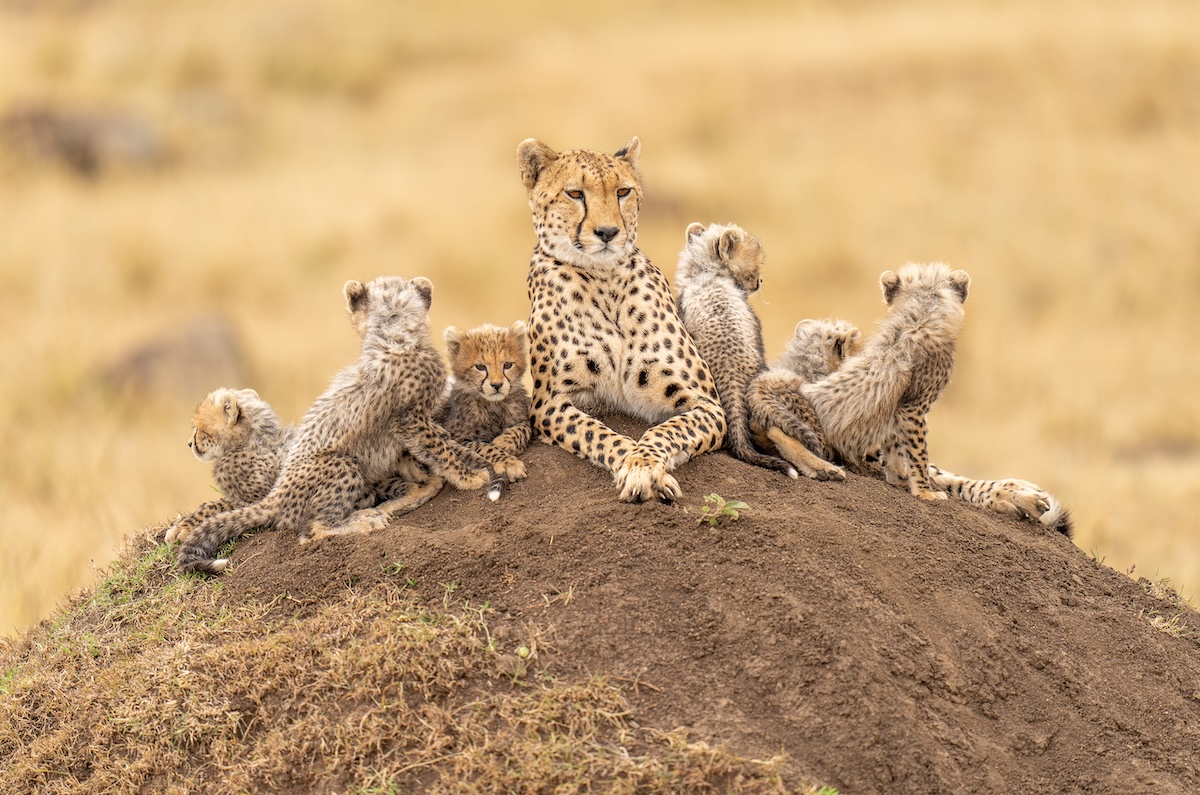
Cheetahs thrive in Lemek’s vast open grasslands, where they can unleash their incredible speed of up to 100 km/h in short bursts. The conservancy’s landscape minimizes competition with bulkier predators like lions, allowing cheetahs to hunt in relative peace. With only about 700 cheetahs left in Kenya, Lemek’s protected status is vital, supported by programs like the Mara Cheetah Project that monitor and protect these vulnerable cats.
Conservation: Safeguarding the Future of Big Cats
Lemek’s success as a big cat hotspot isn’t accidental, it’s the result of strong community-led conservation. Managed in partnership with local Maasai landowners, the conservancy balances wildlife protection with sustainable livelihoods through tourism revenue and anti-poaching patrols. Initiatives like the Mara Predator Conservation Program use geo-tracking and community education to mitigate human-wildlife conflicts, ensuring lions, leopards, and cheetahs have a fighting chance against threats like habitat loss and poaching.
Find out more about Lemek and the other conservancies
Spotting Big Cats Easily: The Conservancy Advantage
Many visitors to Kenya focus their safari planning on the Maasai Mara National Reserve itself, and it is, without question, one of the world’s great wildlife destinations. But there is a compelling case for choosing a private conservancy like Lemek, and the big cat experience is central to it.
Fewer vehicles, better encounters. In the main reserve, popular sightings can attract dozens of vehicles simultaneously. The noise, the diesel fumes, and the sheer proximity of other tourists changes the nature of what you are watching. In Lemek, vehicle numbers are strictly managed. You may arrive at a leopard in a tree to find yourselves completely alone – just the cat, the silence, and the sound of a camera shutter.
Off-road access. In the national reserve, vehicles must stay on designated tracks. In Lemek Conservancy, guides can drive off-road to position the vehicle for the best angle, the best light, or simply the closest possible view. For photographers and serious wildlife watchers, this is transformative.
Find out more about the game drive experience at Mattikoko
When to Visit for Big Cat Sightings
The honest answer is: any time of year. Lemek’s resident big cat population means that lions, leopards and cheetahs are present and active throughout all twelve months. Unlike some wildlife experiences that are tightly season-dependent, big cat sightings at Mattikoko are a reliable constant.
That said, there are some seasonal considerations worth knowing:
July – October (Migration Season): The wildebeest migration brings hundreds of thousands of animals into the Greater Mara ecosystem, drawing predators into a heightened state of activity. Lions and cheetahs hunt with greater frequency, and the sheer drama of the landscape is amplified. Mattikoko can arrange full-day drives into the Maasai Mara National Park to witness river crossings during this period.
November – March (Green Season): The landscape transforms into lush, vivid green. Prey animals with young calves are abundant — which in turn keeps predators active and visible. Photography conditions in the green season can be exceptional, with dramatic skies and rich colours.
April – June (Shoulder Season): Quieter visitor numbers and occasional rainfall make this one of the most intimate times to visit. Big cats are undisturbed and often more bold in their behaviour. Rates at Mattikoko during this period also represent some of the best value on the calendar.
Plan Your Big Cat Safari
Mattikoko is an affordable, Maasai-owned tented camp in Lemek Conservancy, perfectly positioned for the best big cat game drives in the Greater Maasai Mara. Whether you are a first-time safari guest or a seasoned wildlife traveller, we offer the access, the expertise, and the intimacy to make every drive unforgettable.