What changes when your camp is Maasai-owned
A great safari in the Maasai Mara is many things at once: the right wildlife, in the right setting, with the right guide, at a price that makes sense. Getting all of those right takes research, and most travellers spend considerable time on exactly that. One question that tends to get less attention is where the money goes once you’ve made your choice.
The Maasai Mara generates significant tourism revenue each year. But as wildlife photographer and safari specialist Alan Hewitt points out, that revenue doesn’t always reach the people and places it comes from: “A recent report by the United Nations highlighted that a huge proportion of sub-Saharan Africa’s tourism-generated revenue does not even reach the regions it is intended for.”
There are direct consequences of this for the communities, the wildlife, and the land that make the Mara what it is. And, less obviously, for the kind of experience a visitor actually has.
The conservancy model as just a beginning
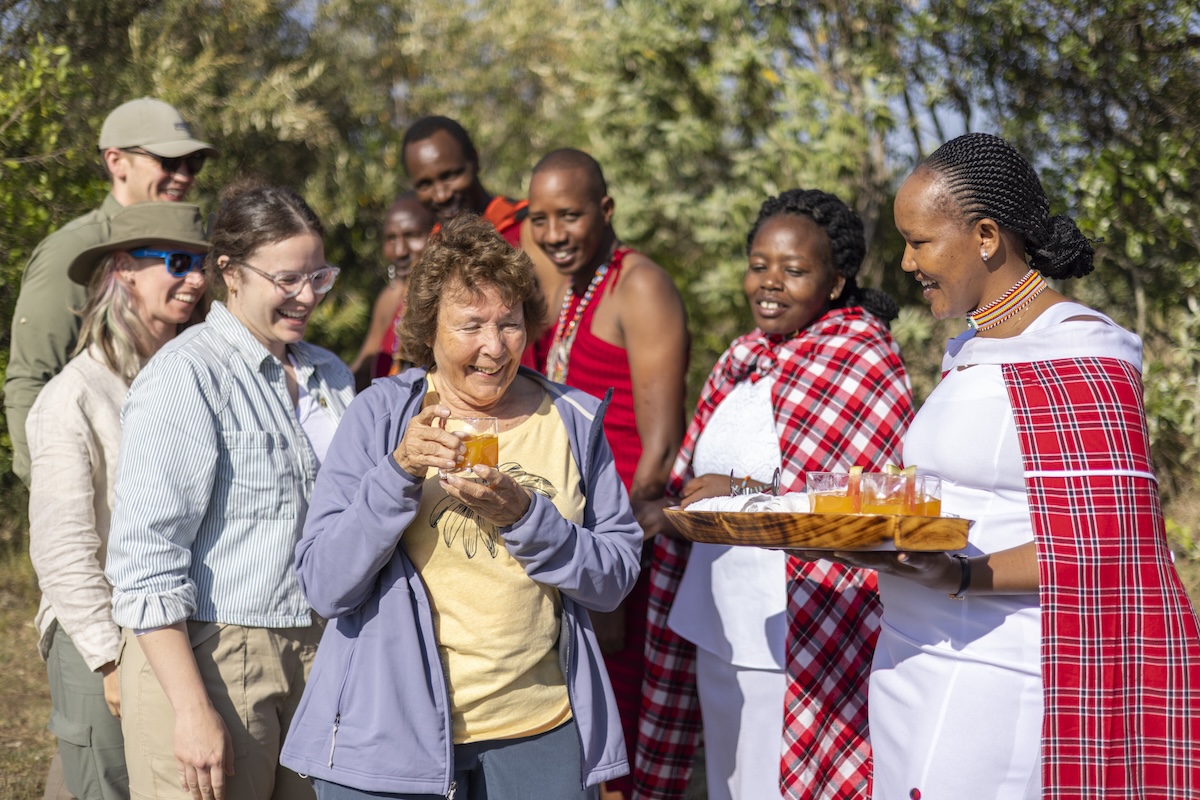
The creation of community-owned conservancies across the greater Maasai Mara ecosystem over the past two decades was a significant step forward. Maasai landowners leased land for wildlife conservation, keeping cattle off it in exchange for income; it’s a model that has demonstrably benefited both wildlife and local communities.
There is, however, an anomaly at the heart of this model. While the land belongs to Maasai communities, most of the camps and lodges operating on it do not. The majority are owned by international hotel groups or outside investors, and revenue from accommodation – often the largest single spend in a safari budget – flows out of the region entirely. Maasai ownership of tourism itself is the next logical step, but it remains rare.
Conservancies Explained: How Community Land Transformed the Mara
One example of what it looks like
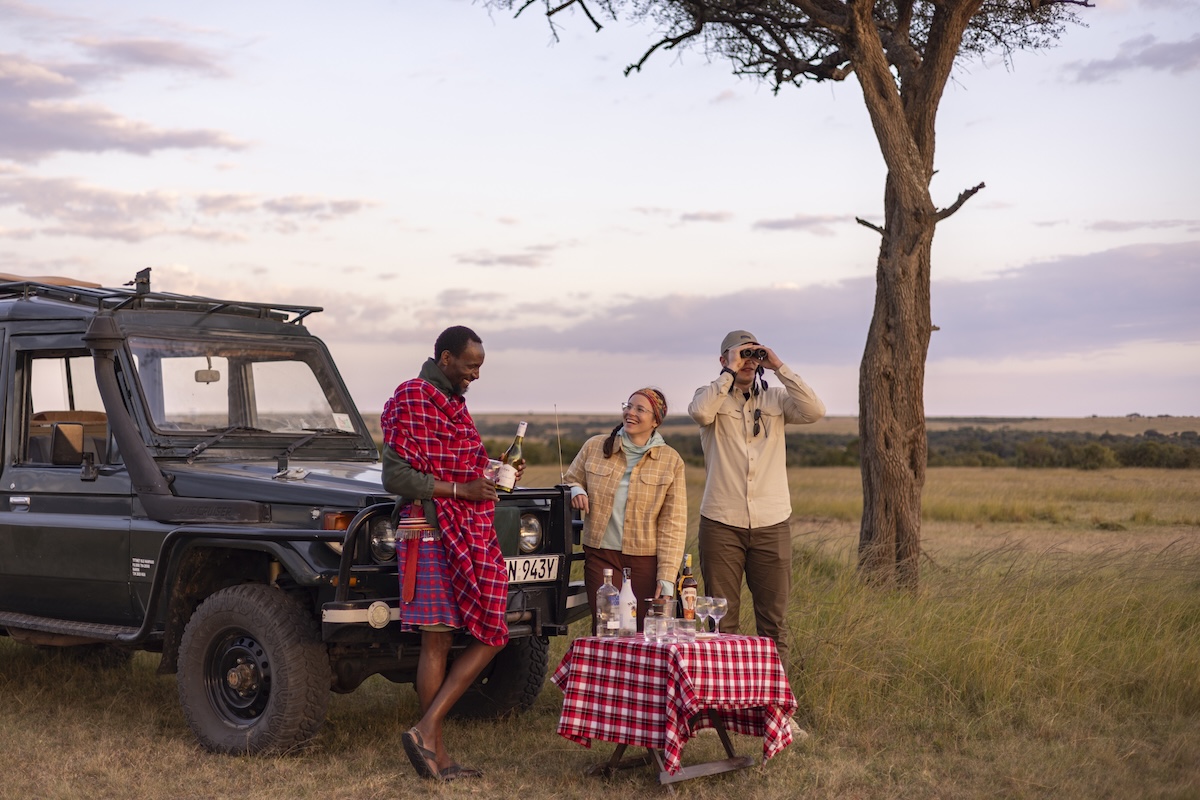
Titimet Nampaso grew up near Aitong, in the greater Mara ecosystem. He learned to read the bush from his father, trained formally as a guide, and spent sixteen years working toward Kenya’s Gold Standard guiding qualification, the highest in the country, held by fewer than 25 guides. In 2019, with no outside investment and no financial safety net, he opened Mattikoko Safari Camp in Lemek Conservancy. The camp is entirely Maasai-owned and run, and is one of a very small number of such properties in the ecosystem.
Why it changes what you get as a visitor
Tay Belcher, a conservation photographer who has visited camps across the Mara, puts it this way:
“Locally owned properties can provide a connection to the Mara that goes beyond the typical safari experience. The people behind these properties often have a long-standing relationship with the land and its communities, giving them an understanding shaped by lived experience rather than something that can simply be learned. They may have watched wildlife patterns change, seen the landscape develop, experienced changes within their communities and witnessed the growing influence of tourism. This allows them to share not only what the Mara is like today, but something of its history, culture and evolution.”
Martin van Herwaarden, a Dutch wildlife photographer and regular Mattikoko guest, describes it from the other side of the experience:
“Returning home with stunning wildlife photos from the Maasai Mara is one thing. However, capturing those images with the help of a local Maasai guide — who also acts as your host — adds a special dimension to the experience. It adds value because, in doing so, you support local Maasai families and contribute to the preservation of the Mara conservancies where they live. In these conservancies, nature and humanity exist in balance — a harmony that must be preserved for both the present and the future. The local Maasai know their ancestral lands and the wildlife inhabiting them like no one else, making the experience unique and truly invaluable.”
Where the money goes
Beyond the experience itself, the economic case is straightforward. As Alan Hewitt explains:
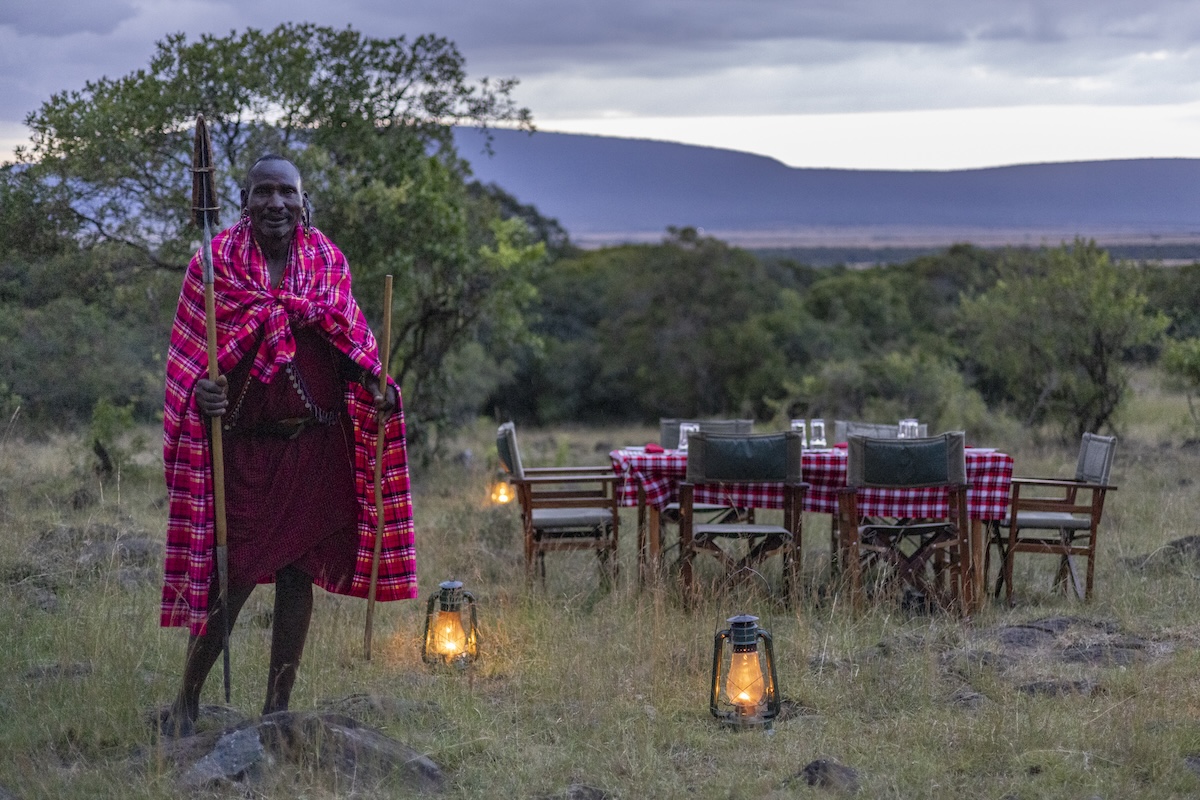
“Choosing a Maasai-owned and managed camp ensures that our safaris directly support local community empowerment and true economic sustainability. By keeping tourism revenue within the community, you help fund local healthcare, education, and conservation initiatives rather than diverting profits to huge companies and investors elsewhere. Furthermore, partnering with these communities fosters authentic, respectful cultural exchanges and safeguards the very wildlife and habitats that sustainable tourism relies upon.”
For a traveller who cares about the impact of their visit, not just the experience of it, this distinction matters. A stay at a locally-owned camp is a considered choice that tends to deliver on both counts.