
The early alarm, the cold air, the first lion, and everything in between
The first game drive is unlike anything most people have experienced. You know intellectually that you’re about to see wild animals in the place where they actually live, but nothing quite prepares you for what that feels like when it happens. If you’re planning your first safari in the Maasai Mara and wondering what to expect, this post covers the practical reality of a game drive: how the day runs, what to bring, what to look for, and how to get the most out of your time in the field.
Images by Kaleel Zibe and Alan Hewitt
What time does a game drive start?
Earlier than you might expect, and for good reason.
The first drive of the day typically leaves before sunrise. At Mattikoko, we’re usually out by 6am, often earlier. The light at dawn in the Mara is extraordinary: soft, golden, and long, casting the kind of shadows that make every photograph look like something from a film. More importantly, the animals are active. Lions, leopards and cheetahs are still on the move from the night’s hunting. Elephants are heading to water. The plains have a different quality to them in the first hours of daylight.
The morning drive runs for roughly three hours, returning to camp for a late breakfast around 9 or 10am. The afternoon drive goes out again around 4pm, timed to make the most of the evening light before the sun drops. Both drives are designed around the hours when wildlife is at its most active. And the middle of the day, when animals rest in the shade, is when most guests do the same.
What does a game drive actually look like?
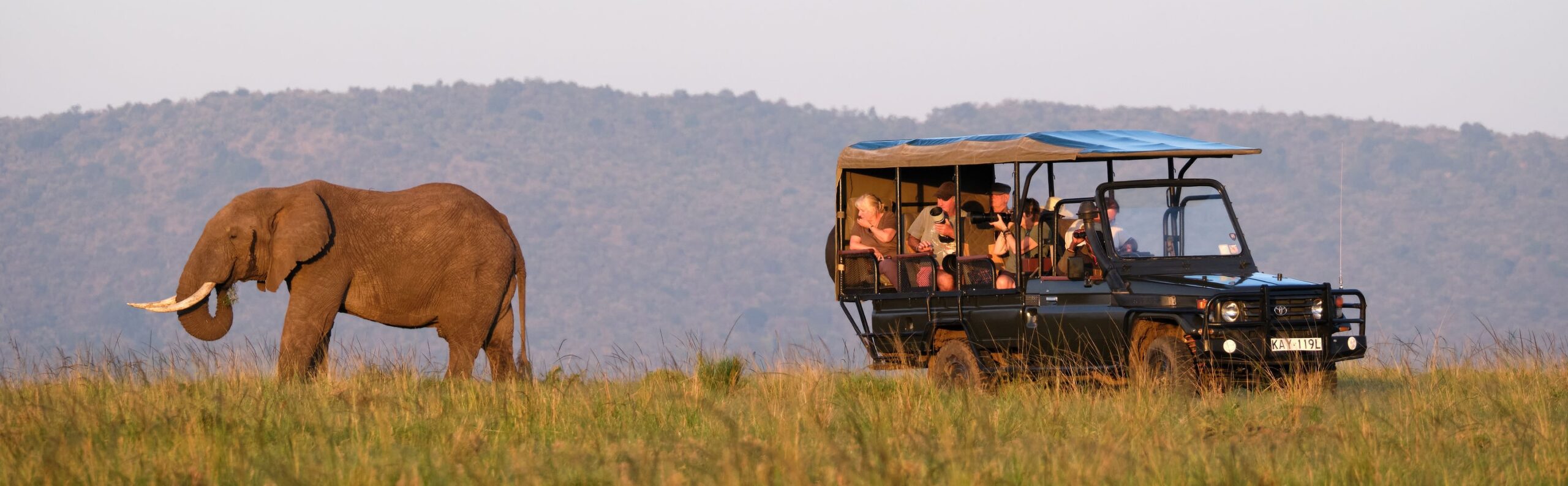
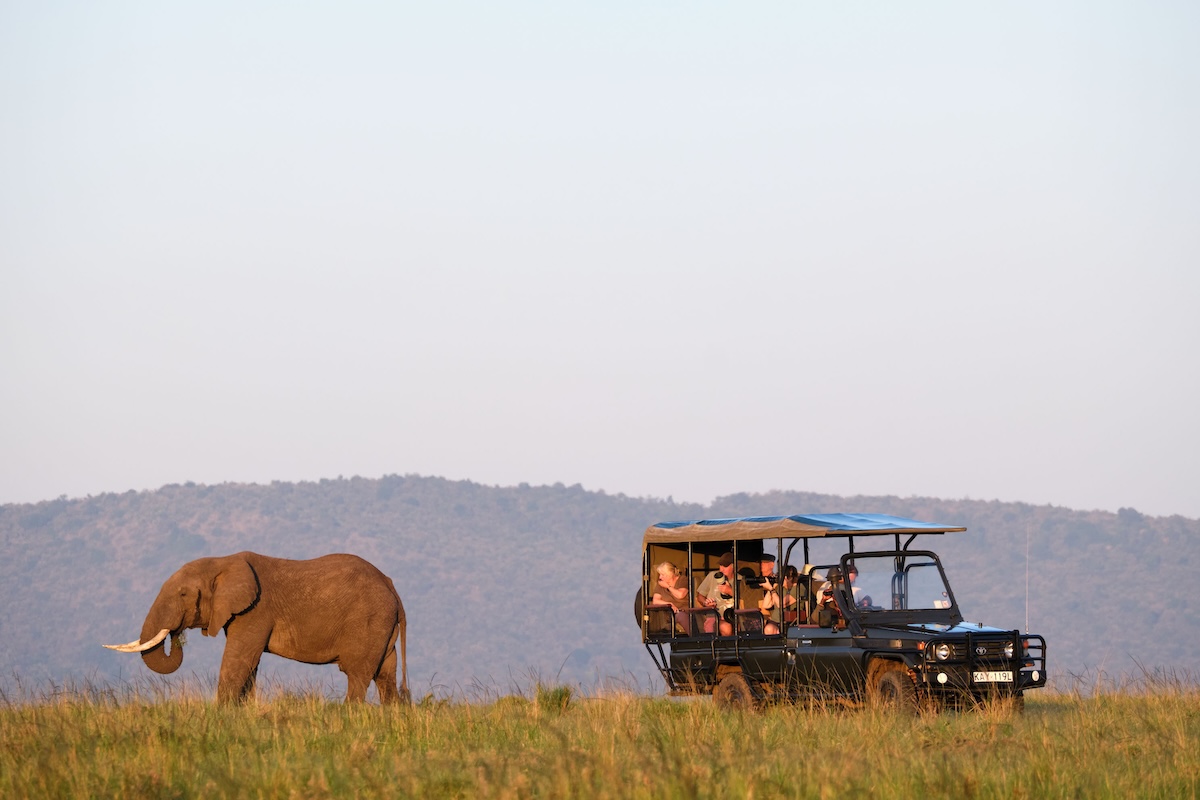
You’ll be in an open-sided 4×4 Land Cruiser, typically with your guide in the front and your group in the rows behind. Your guide does most of the navigation, moving across the conservancy based on what was seen overnight, what the signs on the ground suggest, and where the animals are likely to be at that time of day. A good guide isn’t following radio chatter from other vehicles – they’re reading the landscape itself. Titimet, our owner and Gold Standard-certified guide, is tracking paw prints, reading droppings, and noticing things most people would drive straight past.
When a sighting happens, the vehicle stops and the engine is cut. What follows is often much quieter and slower than first-time visitors expect, which is exactly the point. You watch. You wait. The animal continues doing what it was doing, and you have the privilege of witnessing it.
One difference worth knowing about before you arrive: in the Maasai Mara National Reserve, vehicles are required to stay on designated tracks at all times. In private conservancies like Lemek, off-road driving is permitted, which means the guide can position the vehicle wherever the light, the angle, or the animal’s movement demands. In practice, this makes a significant difference to the quality of a sighting. Rather than watching a leopard from a fixed track fifty metres away, you can move to within a few metres, on the right side for the light, at the right angle for an unobstructed view.
What should I bring on a game drive?
The essentials are straightforward. Layers are more important than most people realise. It is cold before sunrise on the Mara, particularly between June and September, even though the afternoons can be warm. A light jacket that you can remove as the day heats up is more useful than heavy clothing.
Neutral colours work best; khaki, olive, grey, brown. Bright colours and strong patterns are not ideal in the bush, both because they can disturb animals and because they make you more visible than necessary.
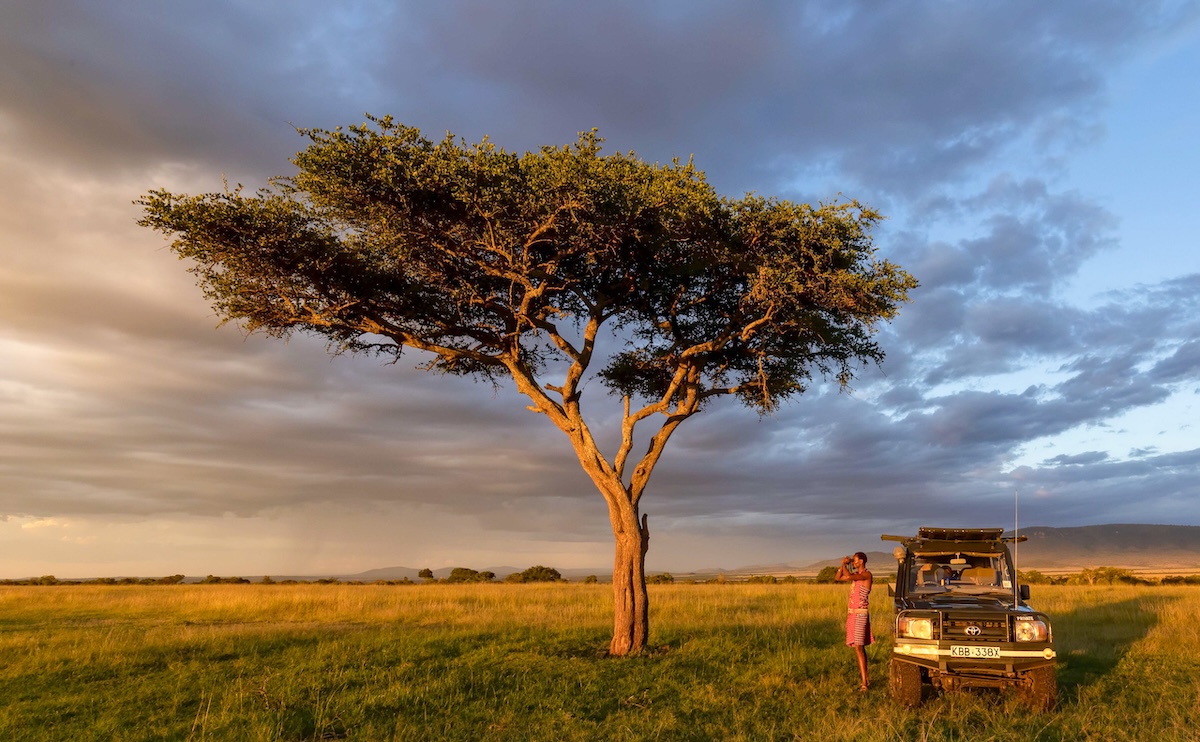
Bring a camera if you have one, but don’t let it become the whole experience. Some of the most memorable moments on a game drive are the ones you just watch. Binoculars are genuinely useful, particularly for birds and for picking up distant movement on the plains. Most guides will have a pair you can borrow if needed.
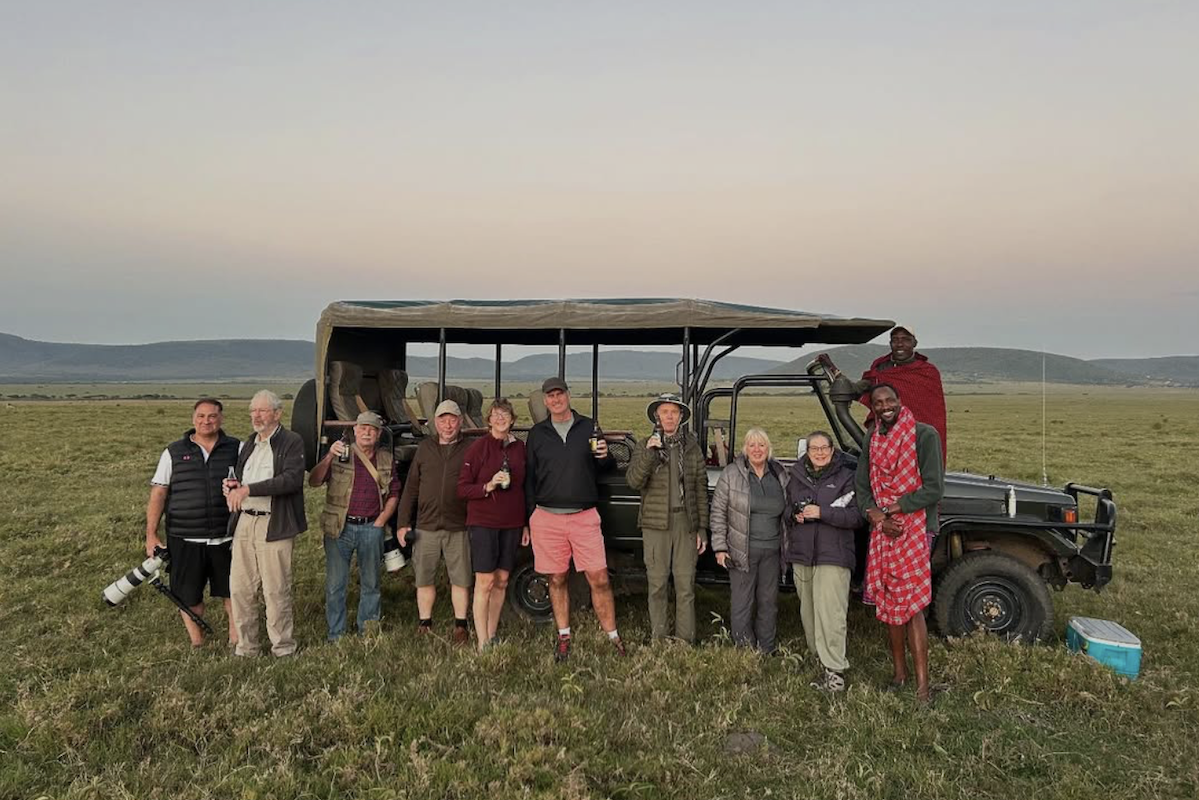
Sunscreen, a hat, and a water bottle round out the list. At Mattikoko, we head out with a flask of coffee and a snack, and often stop for a bush breakfast in the field on the morning drive.
Get a full list of what to pack for a Maasai Mara safari
What will I actually see?
Honestly, it depends on the day, the season, and the landscape. That’s part of what makes it extraordinary.
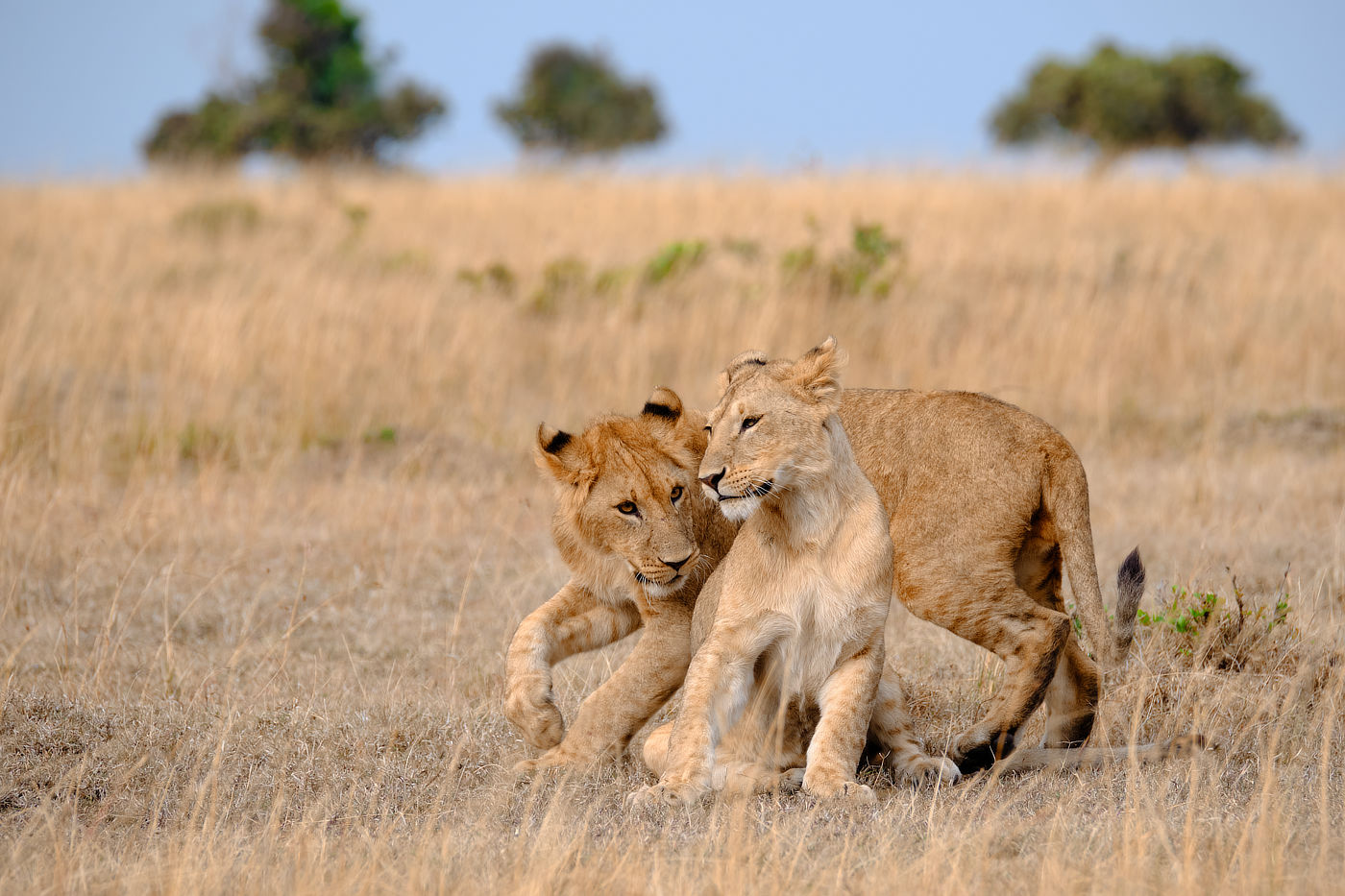
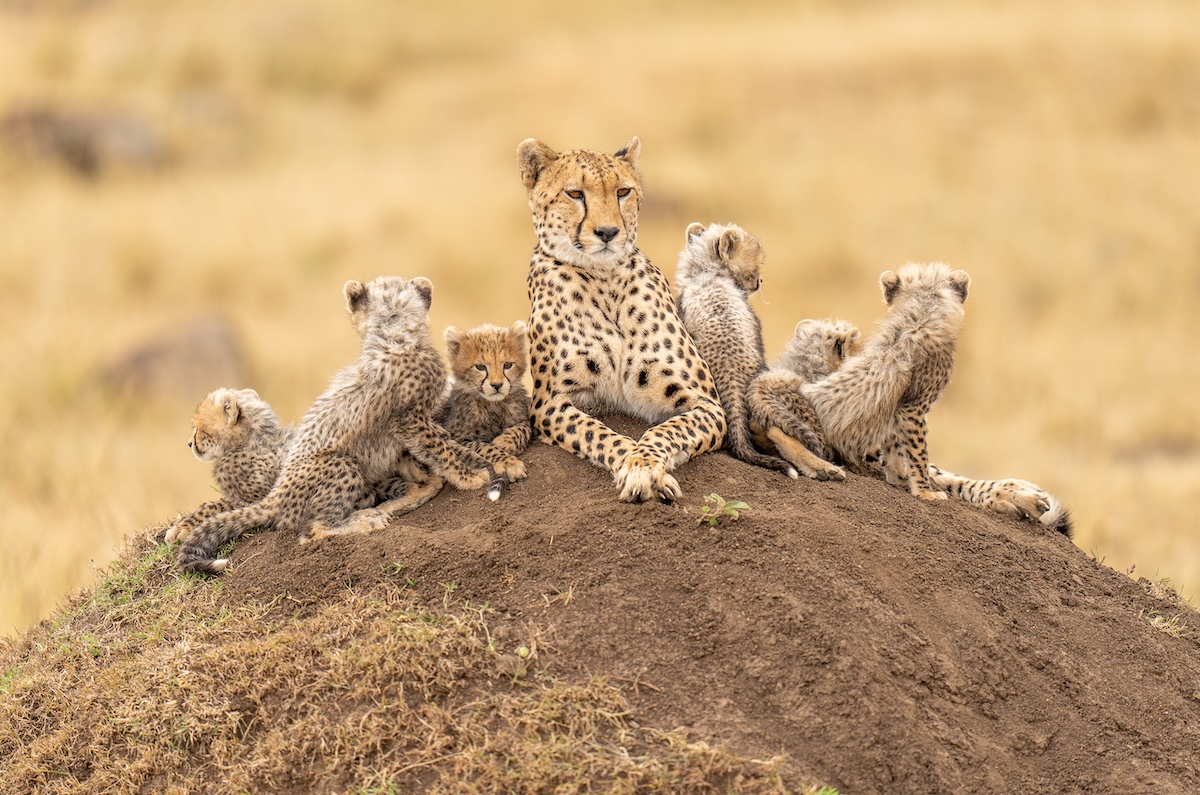
In Lemek Conservancy, the resident populations of lions, leopards and cheetahs mean big cat sightings are a realistic expectation rather than a hope. Elephants move through year-round. Giraffe, buffalo, zebra, hippo, hyena and a wide variety of antelope are all regular sightings. During the Great Migration between July and October, the plains fill with wildebeest and zebra, and the predator activity that follows them intensifies dramatically.
What you won’t always predict is what form the sighting takes. Your first lion might be a pride at rest in the grass, barely moving, entirely indifferent to your presence. It might be a hunt. It might be a mother with cubs. The guide’s job is to read the context and help you understand what you’re actually seeing: the behaviour, the hierarchy, the significance of whatever is unfolding in front of you.
A few things first-timers often don’t expect
The silence. When the vehicle stops and the engine cuts, the bush sounds completely different. Birds. Wind in the grass. The distant grunt of a hippo. The sound of an elephant pulling bark from a tree forty metres away.
The scale. The Mara is vast in a way that photographs don’t communicate. The openness of the landscape, the size of the elephant herds, the distance a pride of lions covers in a morning – it takes time to calibrate your sense of scale.
The pace. A great game drive is not a race from sighting to sighting. Time spent watching a single animal, really watching, for twenty minutes or half an hour — is often more rewarding than covering more ground. First-time visitors sometimes arrive expecting action; the best ones leave having learned to be still.
Tips for making the most of your first game drive
- Ask questions! Your guide is one of the most knowledgeable people you’ll encounter in the Mara, so use that. Ask about what you’re seeing, why the animals behave the way they do, what the landscape is telling them.
- Put the phone down occasionally. Or at least look up from the screen more often than you look through it.
- Go on the morning drive even if you’re not a morning person. The light, the temperature, the activity levels – everything about a dawn drive is worth the early alarm.
- And give it time. Two or three days in Lemek will show you more than a single rushed visit to the main reserve. The Mara rewards patience, and so does Lemek.