
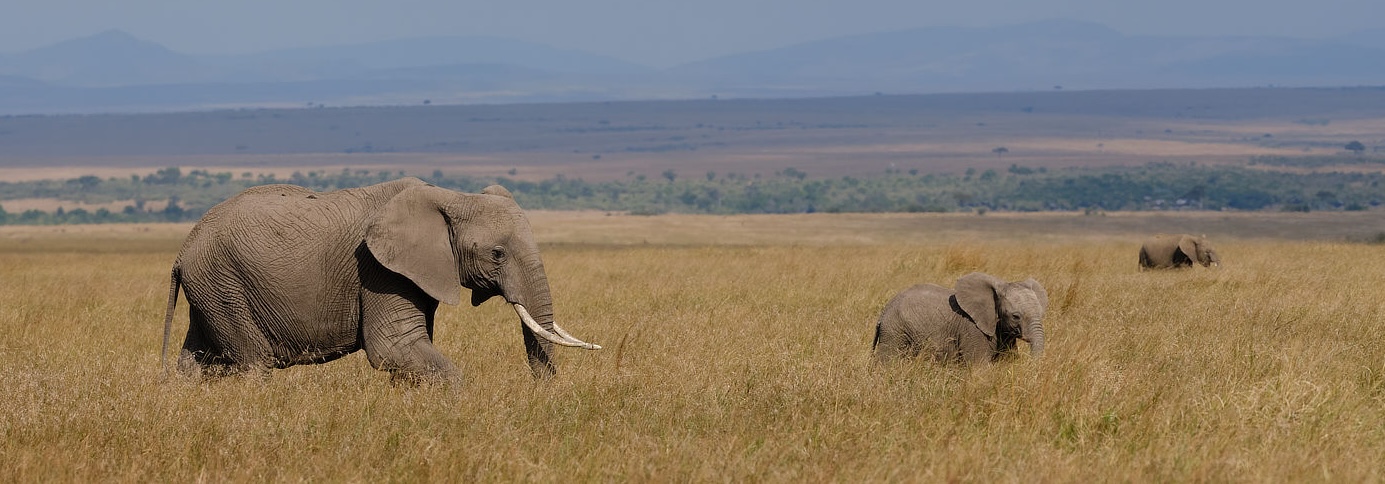
In Lemek, they’re part of the daily rhythm
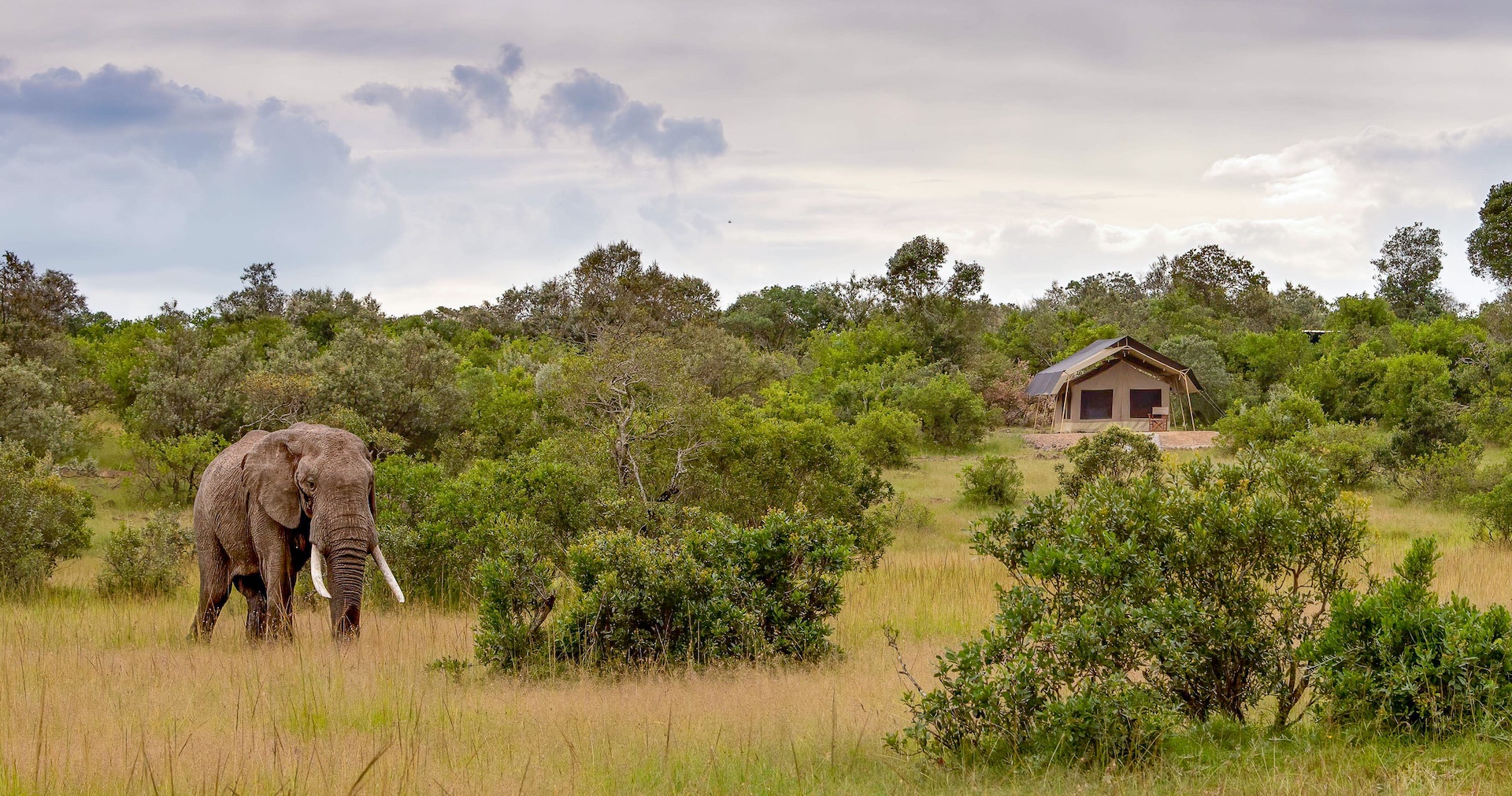
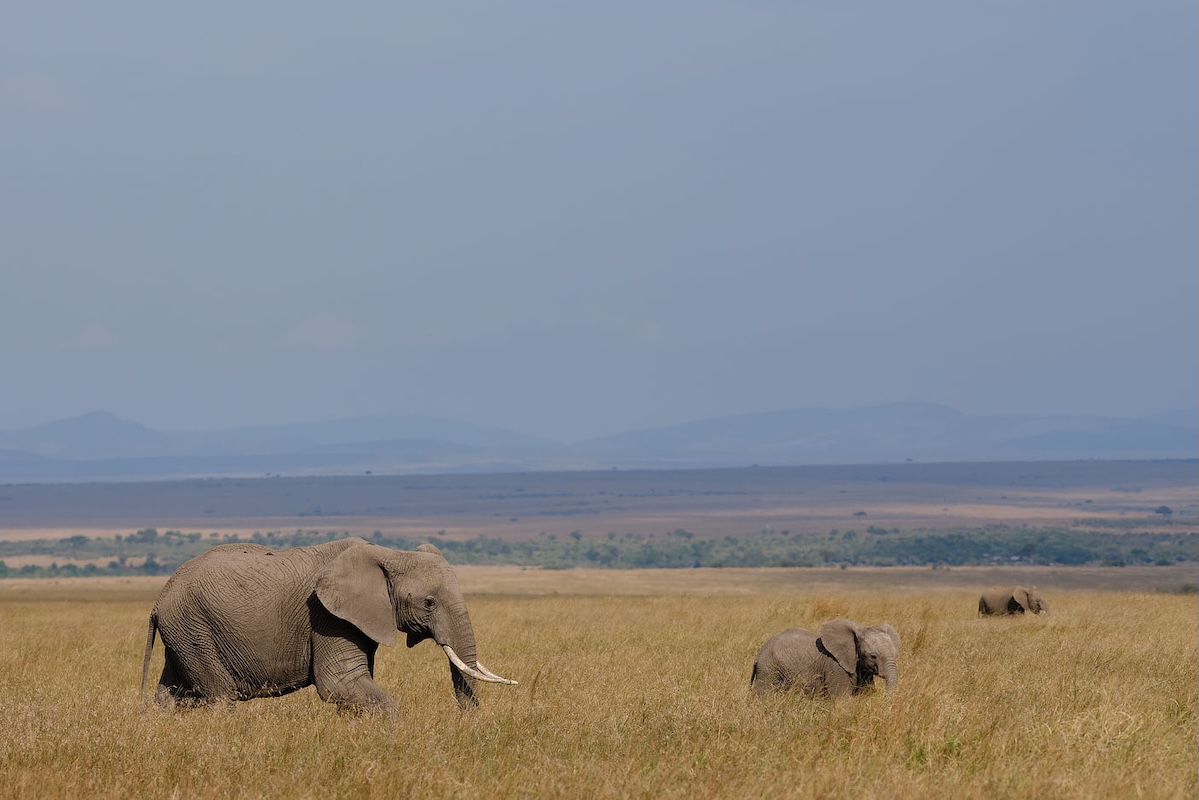
Few wildlife encounters stop you in your tracks quite like an elephant at close range. In Lemek Conservancy, you won’t have to wait long for one – elephants roam the plains, move through the riverine forest, and occasionally wander through camp itself. They are as much a part of daily life at Mattikoko as the morning game drive.
Images by Alan Hewitt and Martin van Herwaerden
How Many Elephants Are in the Maasai Mara?
The Greater Maasai Mara ecosystem supports one of the largest elephant populations in Kenya. Estimates vary, but the region is home to several thousand individuals spread across the national reserve and the surrounding conservancies. In Lemek, elephants are resident year-round and are easy to spot. Even seeing them from your tent verandah over morning coffee is not unusual.
Elephant Behaviour: What You’ll See on a Drive
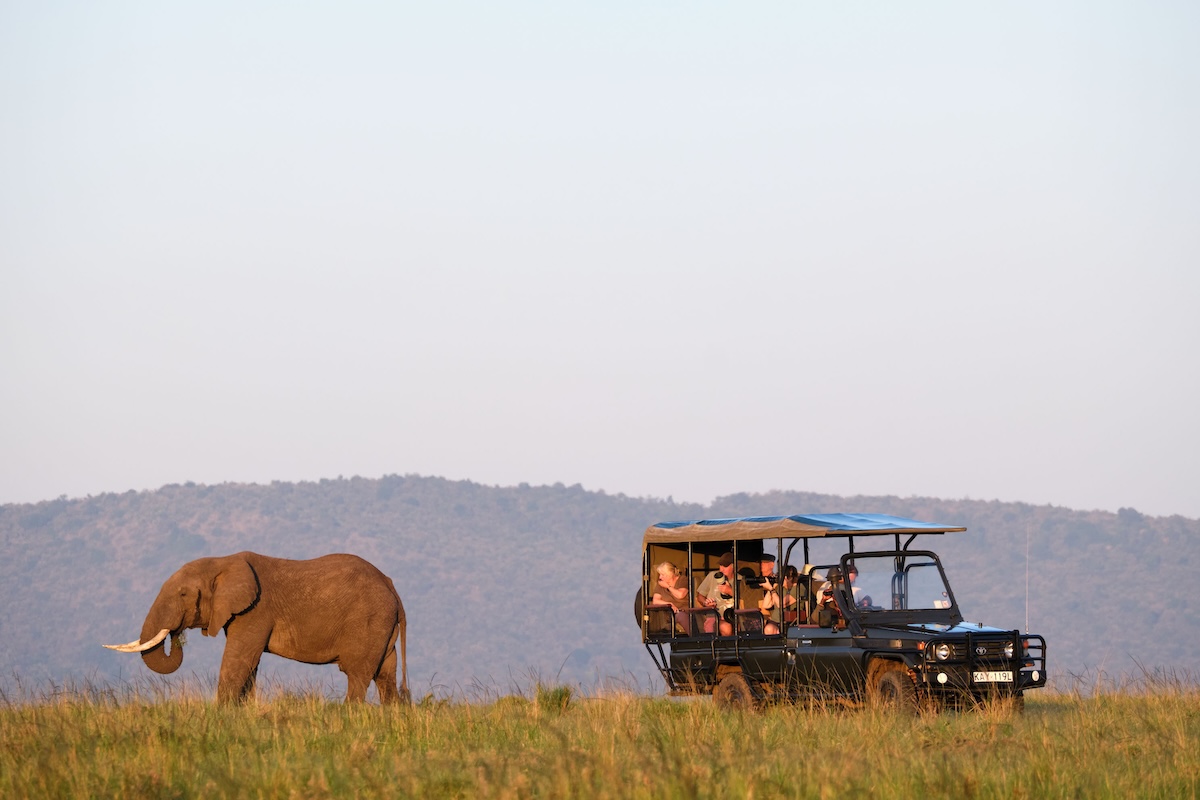
Elephants are most active in the early morning and late afternoon, which conveniently aligns with game drive timing. During the heat of the day they tend to rest in shade, often fanning their ears to regulate body temperature. A few things to look out for on a drive:
- Feeding — elephants eat up to 150kg of vegetation a day, stripping bark, uprooting grass, and pulling down branches with remarkable dexterity. Watching a herd feed is surprisingly captivating.
- Mud bathing — rolling in mud protects skin from sunburn and parasites. If you find a waterhole with recent elephant activity, it’s worth waiting.
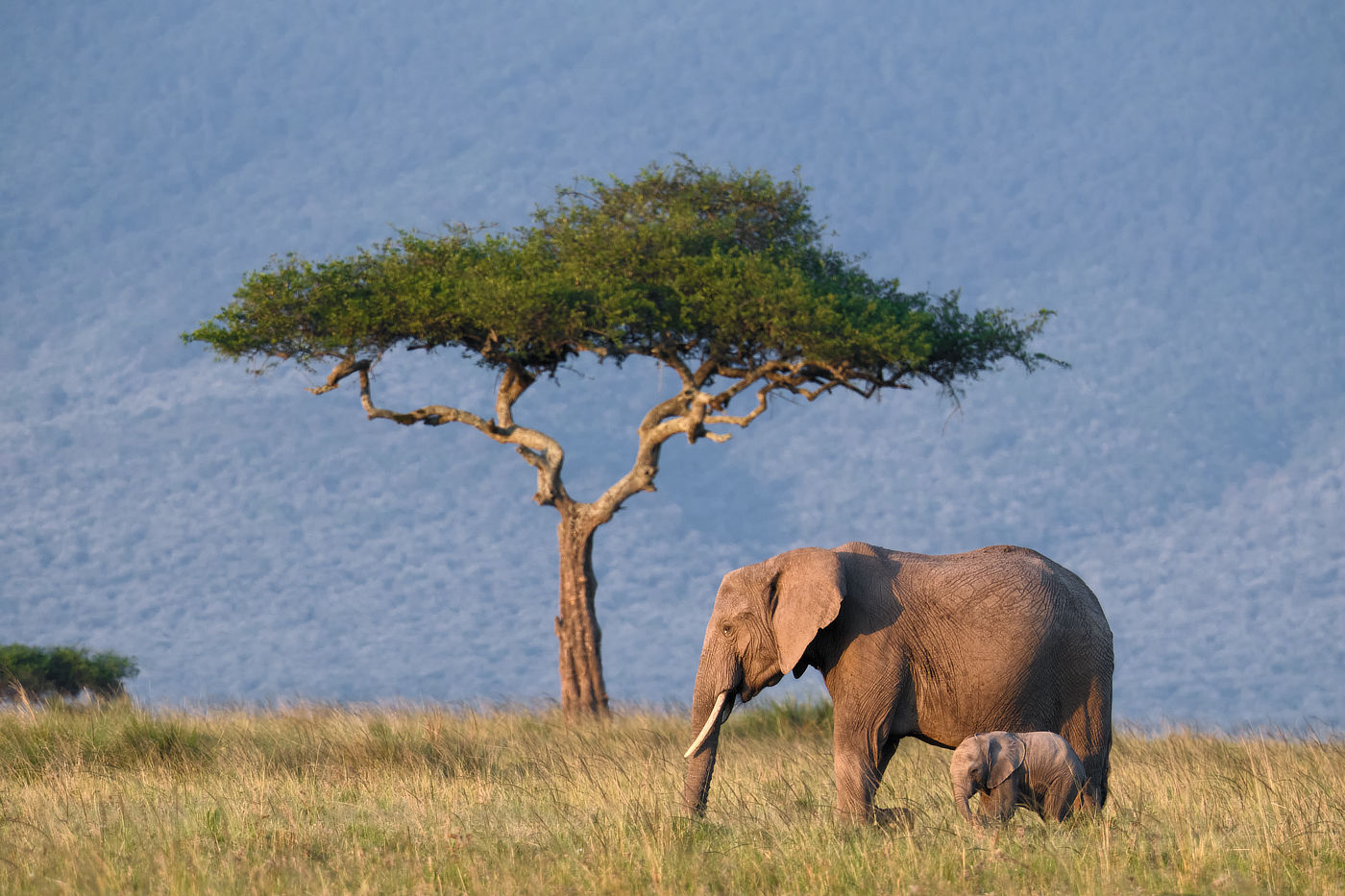
- Social interaction — elephants communicate constantly, through low rumbles, touch, and body language. Young calves in particular are endlessly watchable: playful, clumsy, and never far from their mothers.
- Mock charges — if an elephant turns to face your vehicle, ears spread, it is displaying. It is rarely a full charge, but it is a reminder that these are wild animals in their own space. A good guide reads the situation calmly; our guides grew up alongside elephants in Lemek and has spent a lifetime learning how to read their body language.
Why Lemek Is Particularly Good for Elephant Sightings
Lemek’s mix of open grassland, acacia woodland, and seasonal water sources makes it ideal elephant habitat. The low vehicle density in the conservancy also means that when you find elephants, you are likely to have them to yourselves, so no convoy of minibuses, no jostling for position. Just the elephants, going about their business, and you watching from a respectful distance.
Sightings happen at all times of year, but the green season (November to May) brings lush vegetation that draws elephants into more open areas, making for particularly good photographic opportunities. During the dry months, elephants congregate around water sources, which is predictable and often spectacular.
A Full Guide to Lemek Conservancy
Are Elephants Dangerous?
Treated with respect, elephants are rarely aggressive toward vehicles. The key is distance and stillness; approaching slowly, never blocking movement routes, and switching off the engine when close. Solo bulls, particularly older males in musth (a hormonal state marked by heightened aggression), require more caution. Your guide will know how to read the situation.
On foot, the calculus changes entirely. Walking safaris in elephant country require an experienced guide who understands wind direction, elephant behaviour, and when to move and when to stay still. At Mattikoko, walking safaris are led by who are as comfortable reading an elephant’s mood as they are identifying a bird call.
A Note on Conservation
The elephant population across Africa has declined sharply over the past century, primarily due to ivory poaching and habitat loss. Kenya has made significant strides in elephant protection; the national ban on ivory trade, combined with community conservancies like Lemek that give local Maasai communities a direct financial stake in wildlife survival, has contributed to population recovery in the region. When you pay Lemek’s conservancy fees, part of that money goes directly toward the rangers and conservation programmes that make this possible.