What to expect from your visit in different times of year
Lemek Conservancy looks and feels different depending on when you visit. The landscape shifts with the seasons, the wildlife behaves differently, and the quality of light alone can make the same plains feel like an entirely different place. This is a guide to what each season brings, so you can choose the experience that suits you best.
Images by Alan Hewitt and Tay Belcher
The Short Dry Season: January to March
January and February are among the quietest months in the Mara ecosystem. The long rains have ended, the landscape is still green from the previous season, and visitor numbers are at their lowest. For those who value space and solitude above all else, this is an underrated time to visit.
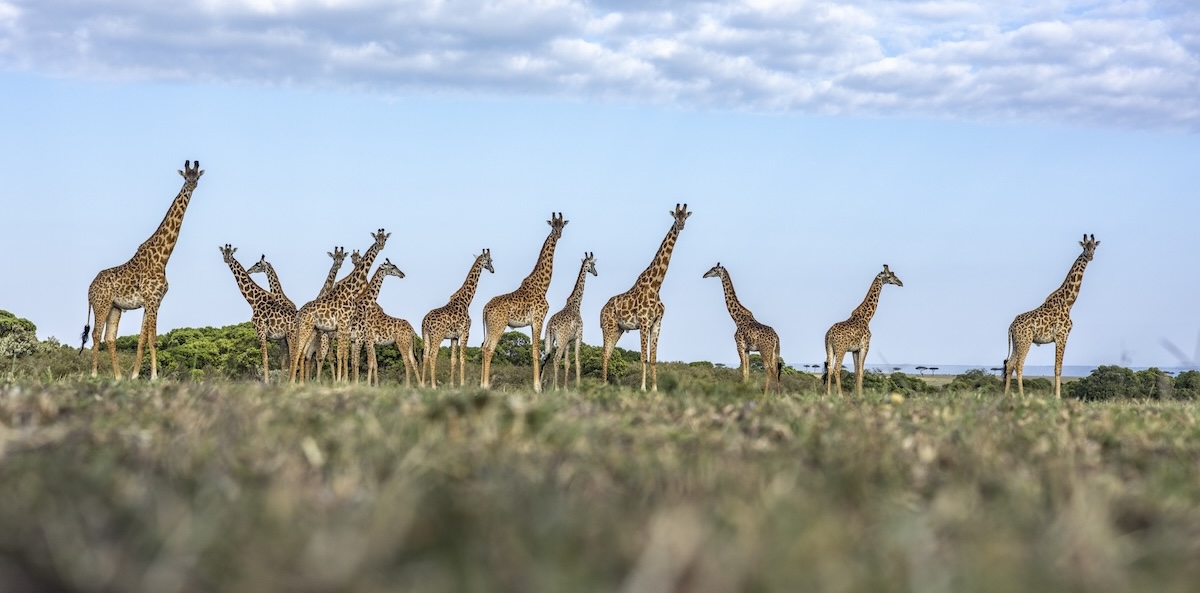
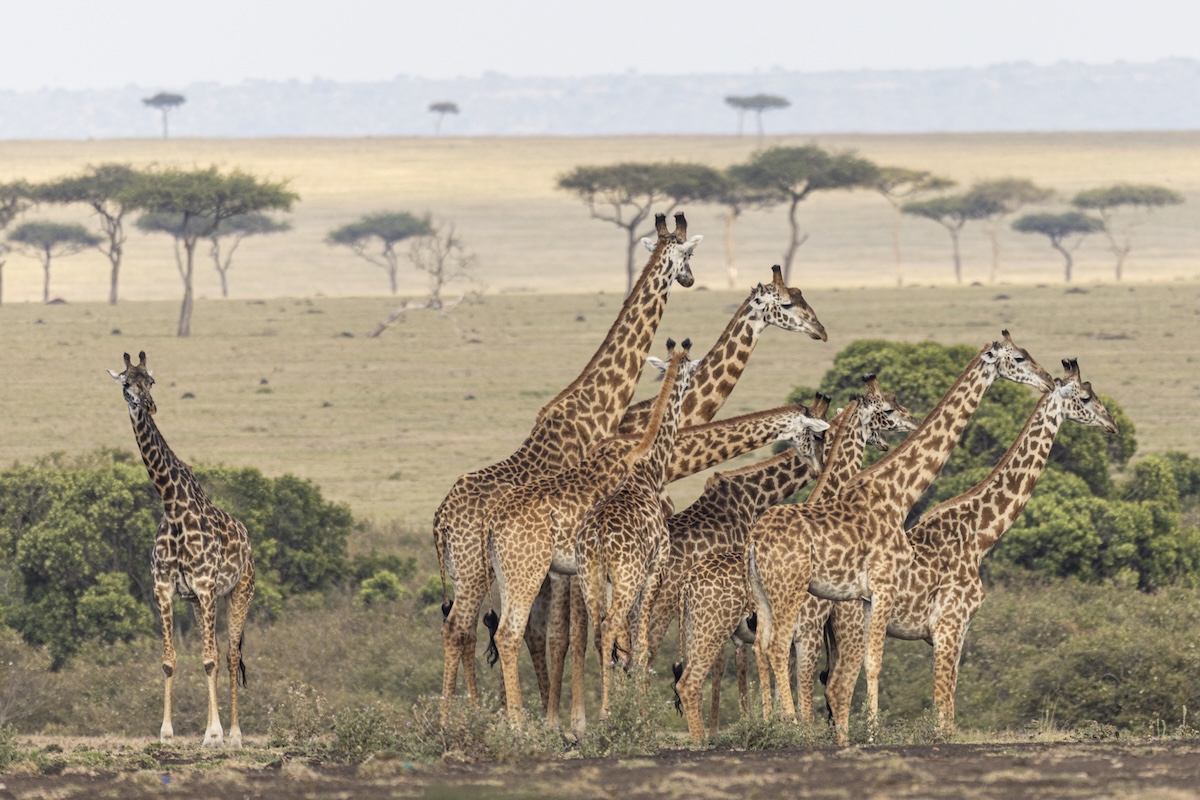
Wildlife is abundant and resident: lions, leopards, cheetahs, elephants, and giraffe are all present in Lemek year-round. Big cat sightings can be particularly rewarding in this period, as predators are active and the grass, though still relatively lush, is shorter than during the rains. Calving season for wildebeest and zebra typically falls in February, and while it’s not the migration, it’s a different kind of spectacle, as predators follow the new arrivals closely.
March begins to warm up, and the long rains are on their way. A good time to visit for those who prefer a quieter, more private experience and are happy with a different kind of landscape.
Find out why Lemek is a hotspot for big cats
The Long Rains: April to June
April and May bring the long rains, and with them, a transformation of the landscape. Lemek turns intensely green, the skies are dramatic, and the light for photography is extraordinary. Game drives after rain produce some of the most vivid, beautiful conditions you will see in the Mara.
Visitor numbers drop significantly during this period, and rates at most camps reflect that. For those willing to embrace the occasional afternoon shower, the reward is a near-private conservancy experience. Wildlife doesn’t disappear in the rain. If anything, animals are more active in the cooler conditions, and the birdlife reaches its peak.
By June, the rains are tapering off. The landscape begins to dry, sightings become more concentrated around water sources, and the first signs of the coming migration season start to build in the south.
Peak Season: July to October
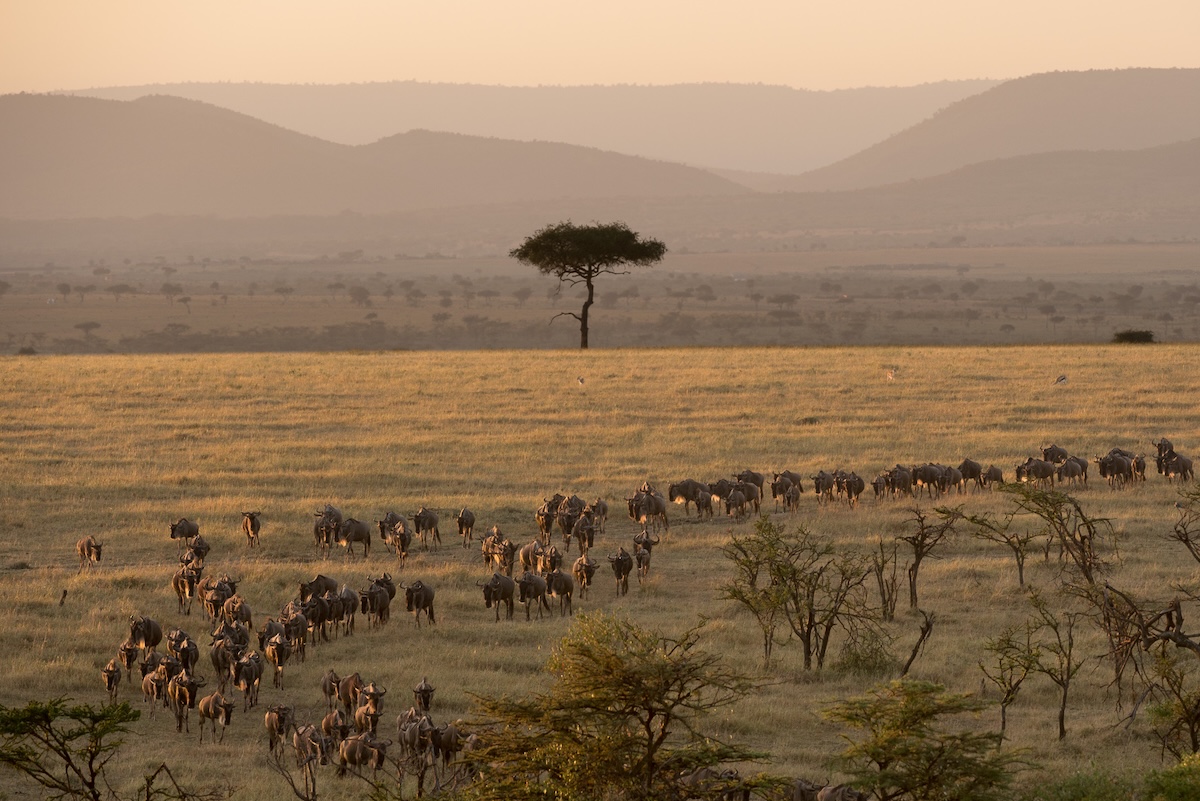
July marks the beginning of high season, and for good reason. The migration is underway; vast herds of wildebeest moving north from the Serengeti, pushing into the Mara ecosystem in numbers that are difficult to describe without sounding hyperbolic. River crossings at the Mara River are possible from July through September, though they are never guaranteed: the wildebeest move on their own schedule, and patience is part of the experience.
Lemek itself sits in the northern part of the ecosystem. The migration passes through and around the conservancy, and it is possible to encounter herds on drives within Lemek. For those who want to try their luck at a river crossing, a day trip into the Maasai Mara National Reserve can be arranged.
Beyond the migration, the dry season concentrates wildlife around water sources, making for some of the most intense and reliable predator sightings of the year. The grass is short, visibility is excellent, and the golden afternoon light is a photographer’s dream. August and September are as good as the Mara gets.
October sees the herds begin their return south, and visitor numbers start to ease. It remains an excellent month for wildlife, with resident species still highly visible and the first rains of the short season bringing a fresh energy to the landscape.
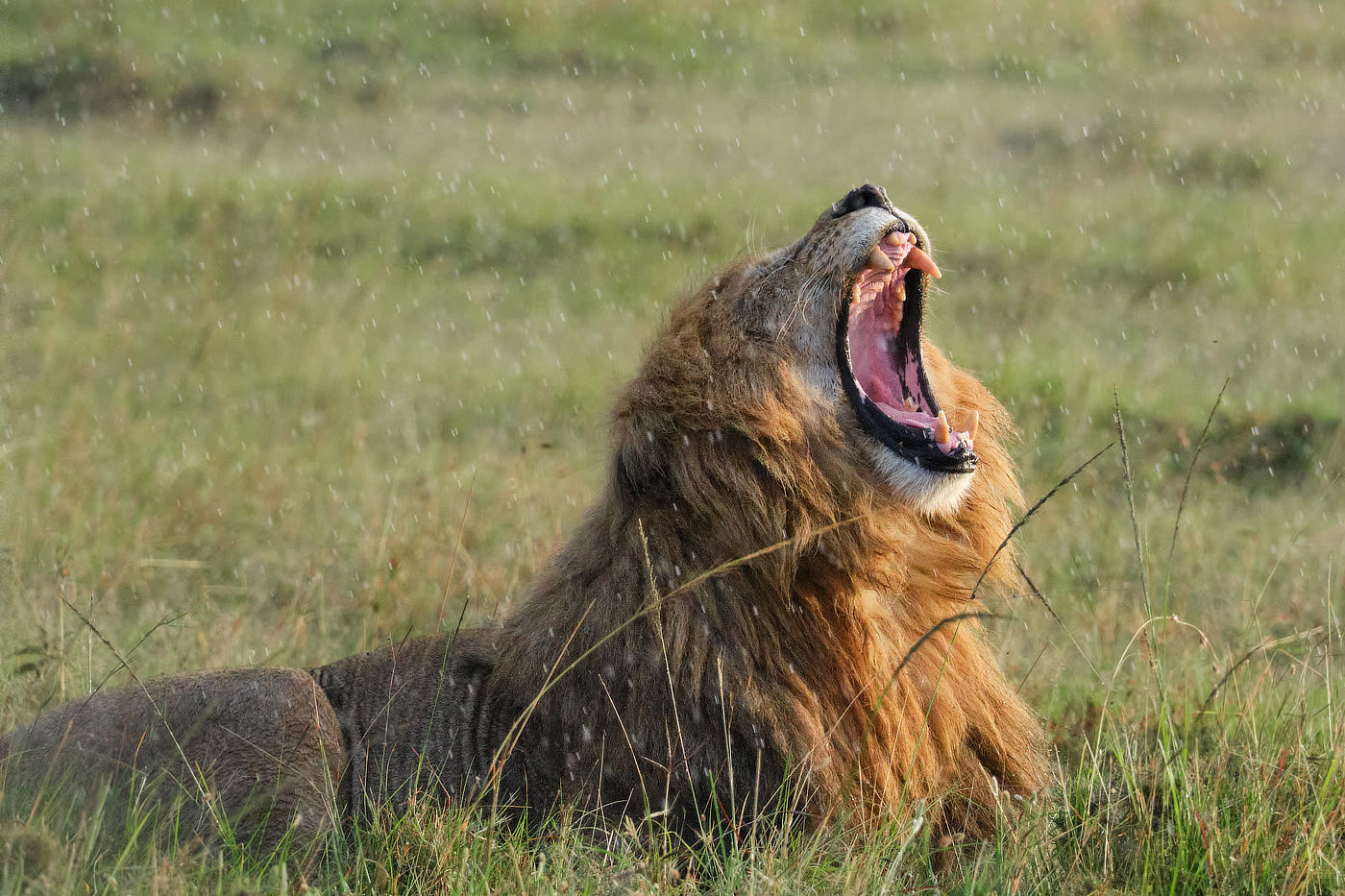
The Short Rains: November to December
November brings the short rains, which are less intense than the long rains, and less disruptive to game drives. The landscape greens up quickly, migratory bird species arrive from Europe and Asia, and the conservancy feels alive in a quieter, more subtle way.
December is an increasingly popular time to visit, particularly for families travelling over the school holidays. Wildlife remains excellent, the landscape is beautiful, and the end of the month brings its own festive atmosphere to life in the bush.
So: When Should You Go?
We might be a bit biased at Mattikoko, as we love welcoming guests all year round, but there really is no wrong answer. The migration is spectacular, but it is not the only reason to come to Lemek. The conservancy’s resident wild residents, its lions, leopards, cheetahs, elephants, and the remarkable birdlife that fills every season, make for extraordinary game viewing year-round. But what changes is the character of the experience. Peak season is vivid, intense, and full of drama.
If you’d like to talk through dates, we’re always happy to advise on what Lemek is likely to offer during your preferred window. Feel free to reach out!
Further reads: