
What a stay at Mattikoko offers beyond the wildlife
A safari at Mattikoko is, first and foremost, about the wildlife. But it’s also a stay with a team whose roots in this landscape run deep, and whose knowledge of it extends well beyond game identification. Spending time at a Maasai-owned camp, with guides who grew up on this land, offers a cultural dimension that’s difficult to find elsewhere in the Mara ecosystem.
The Maasai and the land
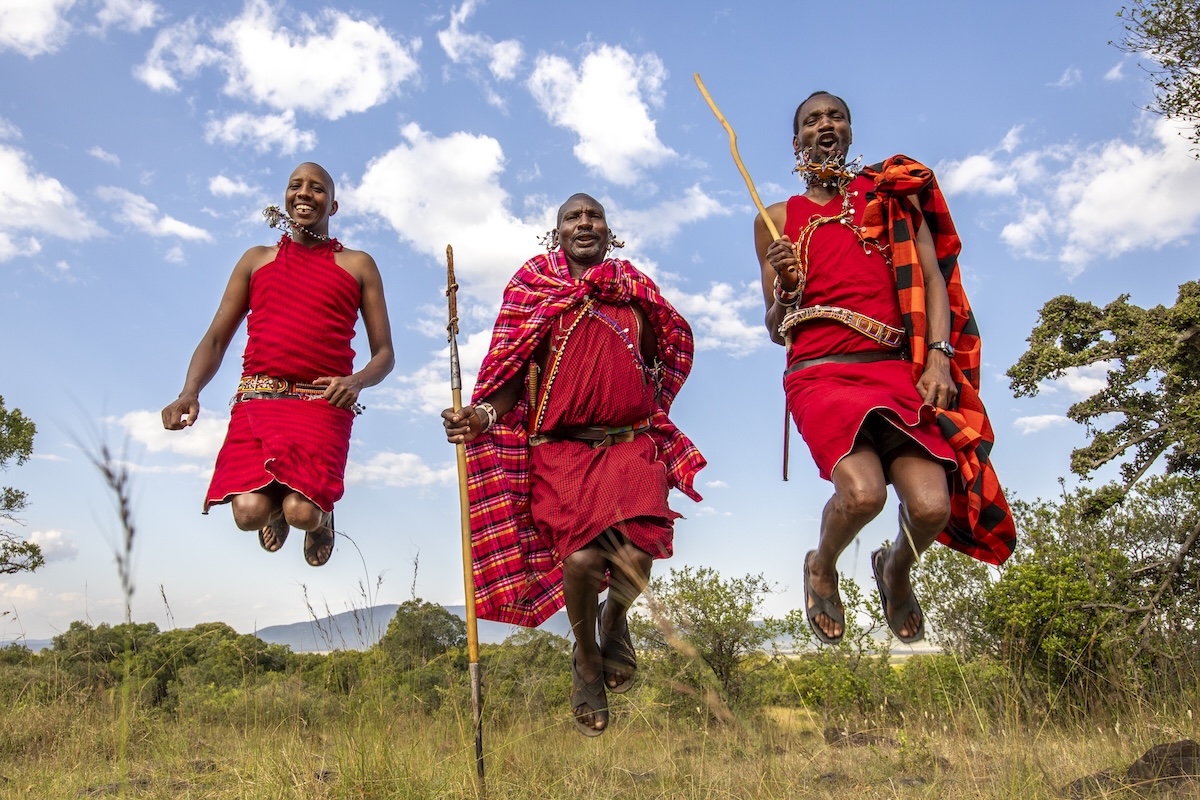
The Maasai are a semi-nomadic people whose traditional territory spans southern Kenya and northern Tanzania. For centuries, they have lived alongside the wildlife of the Mara ecosystem, herding livestock across the same plains where lions and elephants roam, managing land in ways that have, historically, supported rather than depleted the ecosystem around them.
Titimet Nampaso, Mattikoko’s founder and lead guide, grew up herding cattle in Lemek before going on to become one of Kenya’s most qualified wildlife guides. On game drives, this shows up in ways that are hard to quantify: an instinct for where animals will be, an understanding of how the ecosystem has changed over decades, and a way of explaining the relationship between people and wildlife that goes beyond what any guidebook covers.
Bush craft in Lemek
Maasai bush craft is rooted in necessity. Tracking, fire-making, plant knowledge, reading weather and terrain; these are skills passed down through generations, developed not for tourism but for survival in a landscape that demands close attention. At Mattikoko, guests have the opportunity to learn some of these skills directly from the team on walking safaris and cultural excursions.
Walking safaris in Lemek are led by Titimet or Lesisa, and they are a very different experience from a game drive. On foot, the scale shifts. You notice things at ground level — tracks, plants, insects, the direction of the wind — that pass unseen from a vehicle. The guide reads the environment continuously, and guests who pay attention come away with a different understanding of what it means to know a landscape.
Maasai traditions and social structure
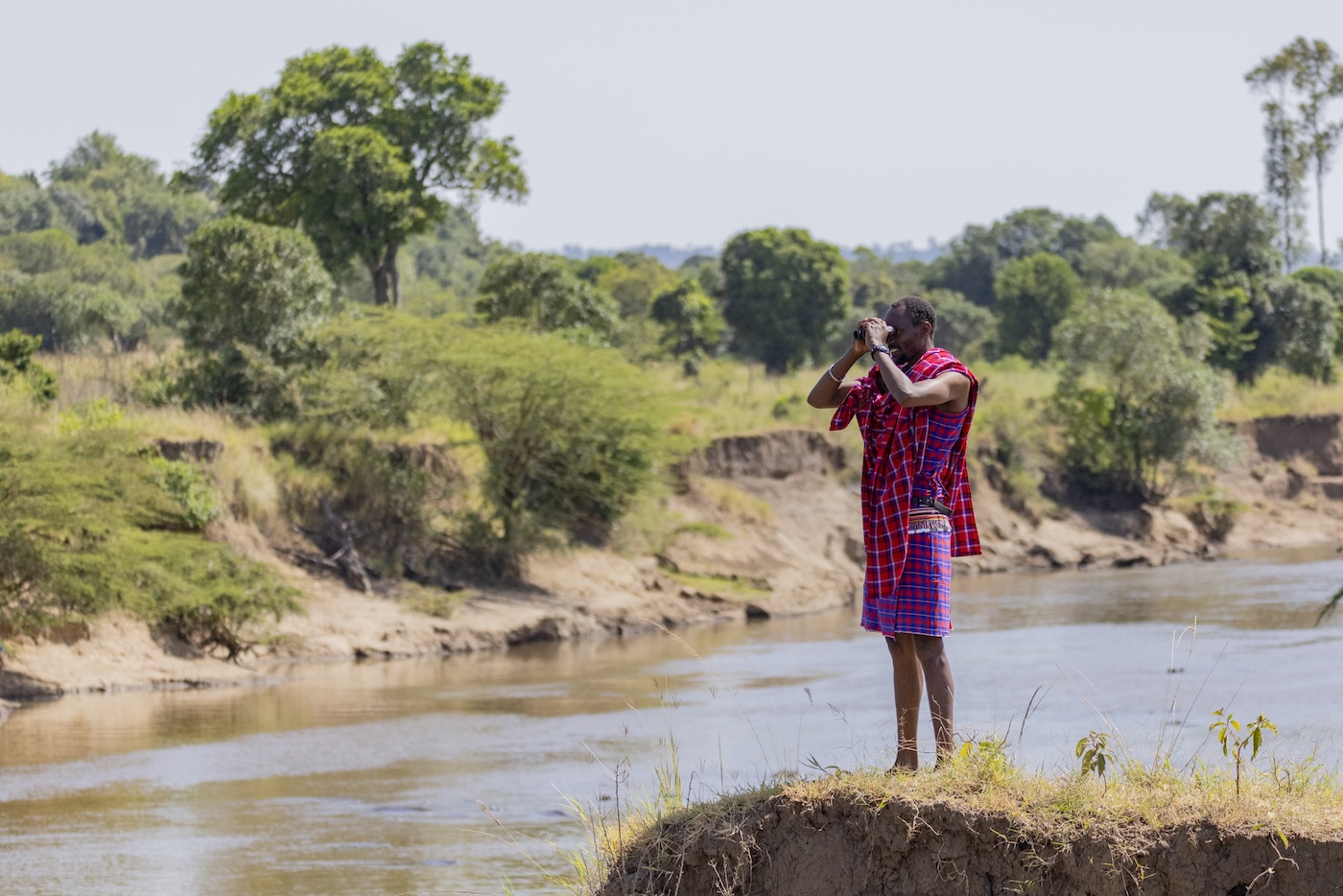
Maasai society is organised around a system of age-sets, groups of men who move through life stages together, from boyhood through warriorhood to elderhood. Each stage carries its own responsibilities, privileges, and ceremonies. The transition from one stage to the next is marked by rituals that have remained largely intact across generations, and which remain central to Maasai identity today.
Cattle are the foundation of traditional Maasai life. It’s a measure of wealth, a means of exchange, and a source of spiritual significance. The relationship between the Maasai and their livestock shapes everything from daily routine to social structure, and it is deeply bound up with their relationship to the land. Understanding this helps explain why the conservancy model, in which Maasai landowners choose to set aside grazing land for wildlife conservation, represents a genuine cultural negotiation rather than a simple economic transaction.
Traditional plant knowledge is another thread that runs through Maasai culture. The landscape that guests drive through on game drives is, to a trained Maasai eye, also a pharmacy and a toolkit — particular plants used for medicine, for construction, for fire-making, for food. On walking safaris and cultural excursions, Titimet shares this knowledge with guests, and it consistently shifts how people understand the environment around them.
The Case for Locally Owned Accommodation in the Maasai Mara
Cultural excursions
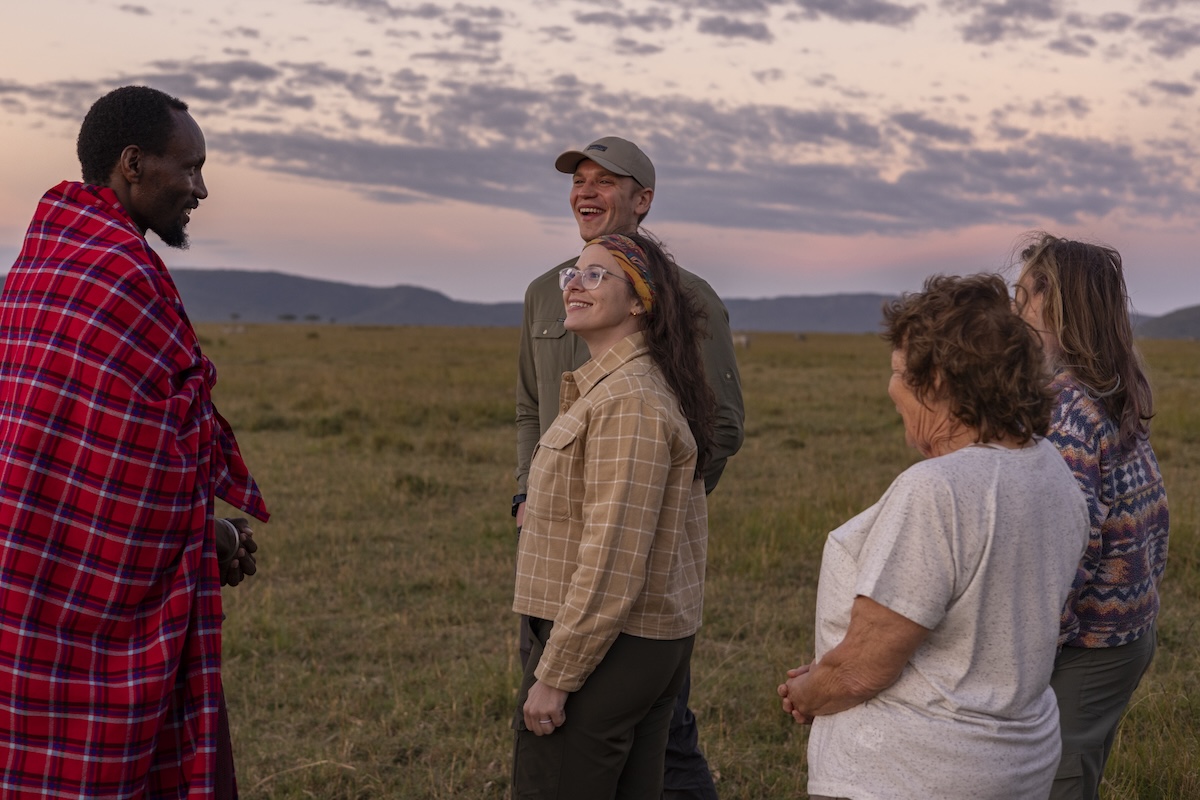
For guests who want to go further, cultural excursions to local Maasai communities can be arranged from Mattikoko. These visits are conducted with care and respect; not staged performances, but real introductions to the daily life of the communities surrounding the conservancy. The proceeds benefit those communities directly. If this is something you’re interested in, let the team know in advance so it can be arranged as part of your stay.
What this means in practice
The cultural dimension of a stay at Mattikoko is not a separate program you opt into. It’s present throughout, in the conversations on game drives, in the stories told over dinner, in the way the team moves through and talks about the landscape they grew up in.