
From the airstrip to your first game drive
There’s a particular feeling that comes with arriving in the Maasai Mara for the first time. The aircraft descends over open plains, the airstrip appears as a strip of red earth in the grass, and before you’ve had a chance to fully process the landscape, you’re standing in it. The journey from that moment to your first game drive is shorter than you might expect.
Arriving at Mara North Airstrip
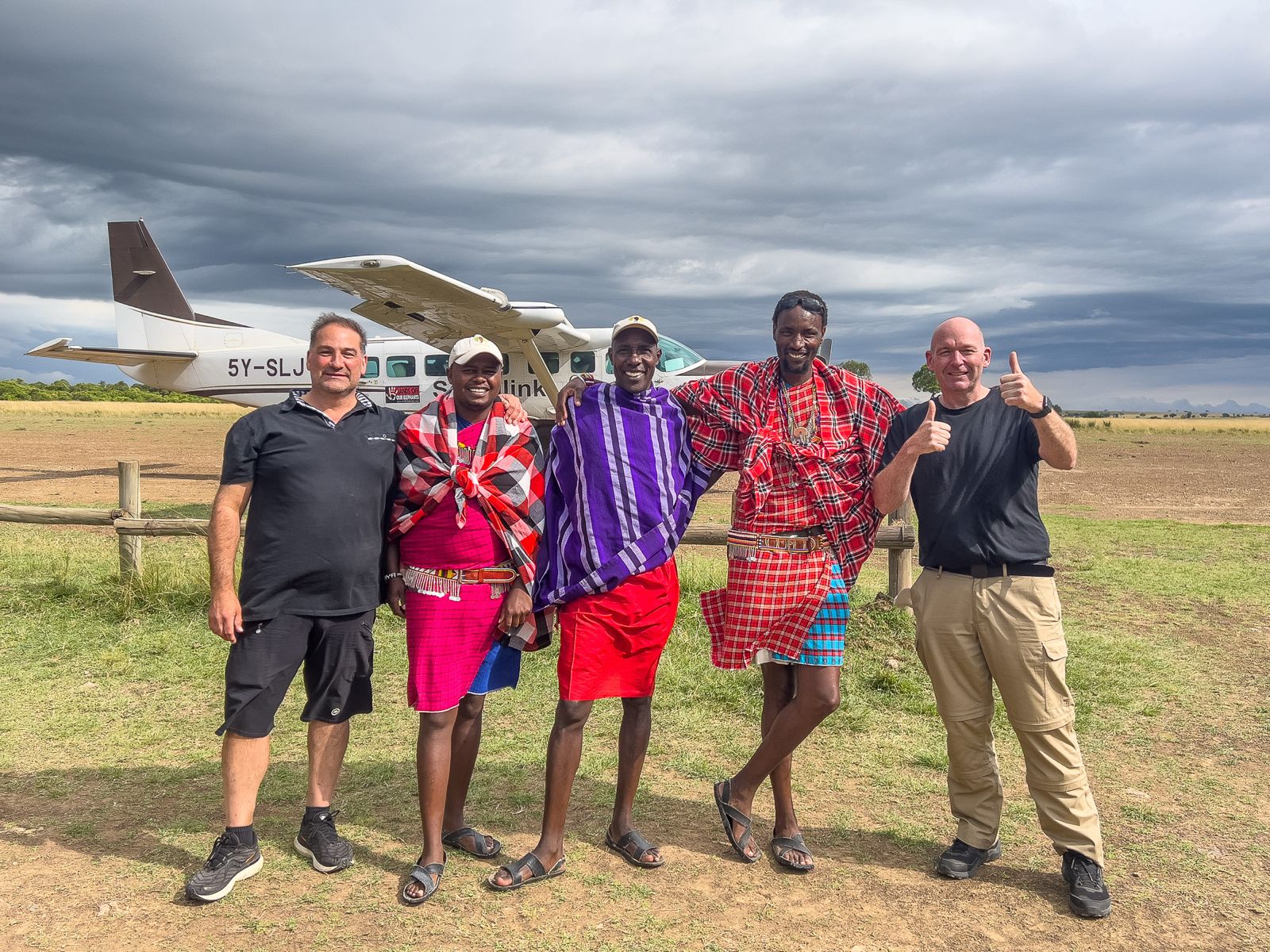
Most guests arriving at Mattikoko fly into Mara North Airstrip, a small grass and gravel strip in the northern Mara ecosystem. It’s a functional, unfussy place; a few buildings, some vehicles waiting in the shade, and the plains stretching out in every direction. The Mattikoko team will be there to meet you.
The drive from Mara North into Lemek Conservancy takes roughly 20 to 30 minutes depending on conditions and which route is taken. It’s worth being present for this drive rather than treating it as a transfer. The landscape opens up as you enter the conservancy, and it’s not unusual to encounter wildlife before you’ve even reached camp.
Arriving at camp
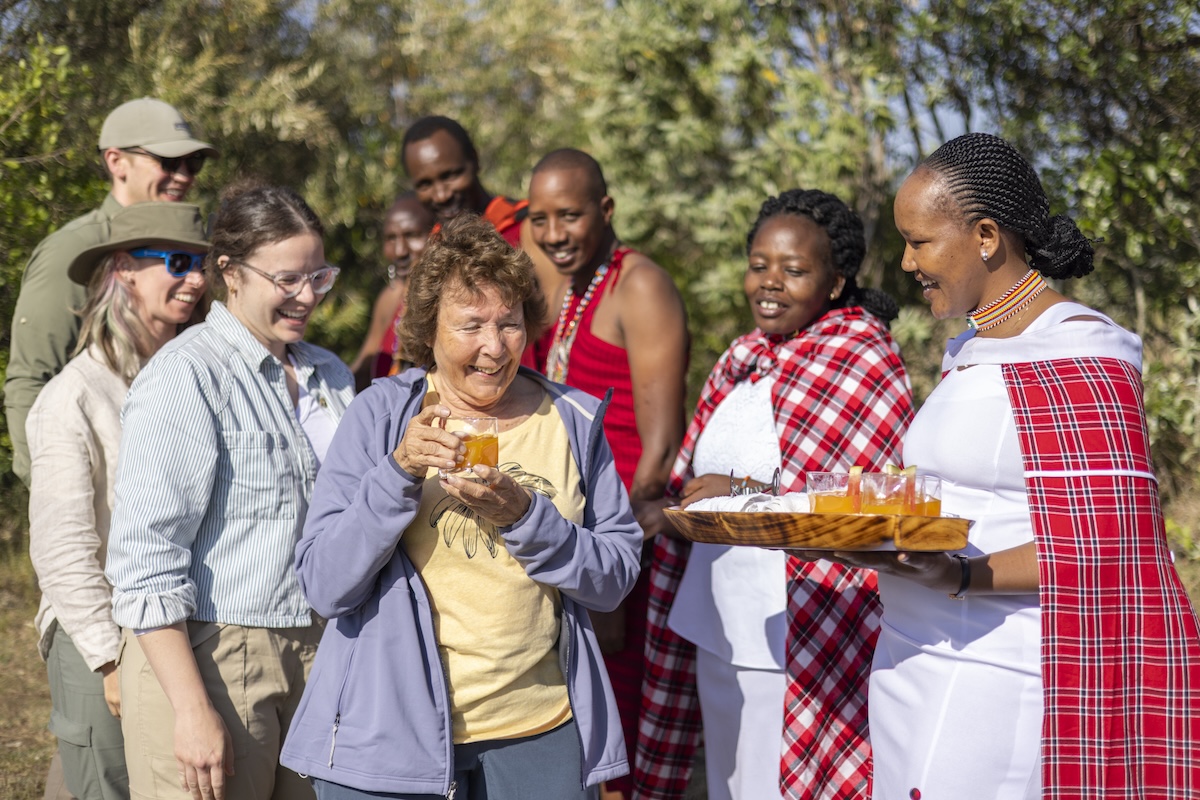
Your arrival at Mattikoko is unhurried. There’s no lobby, no check-in desk, no queue. The team will show you to your tent, walk you through how everything works, and make sure you have what you need. Tea or coffee is usually waiting.
The tents are en-suite, with a verandah that looks out over the bush. Before you’ve unpacked, it’s worth spending a few minutes simply sitting with that view. Wildlife can appear at any time, and the best sightings at camp often happen in the first hour, before guests have settled into the rhythm of looking at the horizon.
Your first afternoon
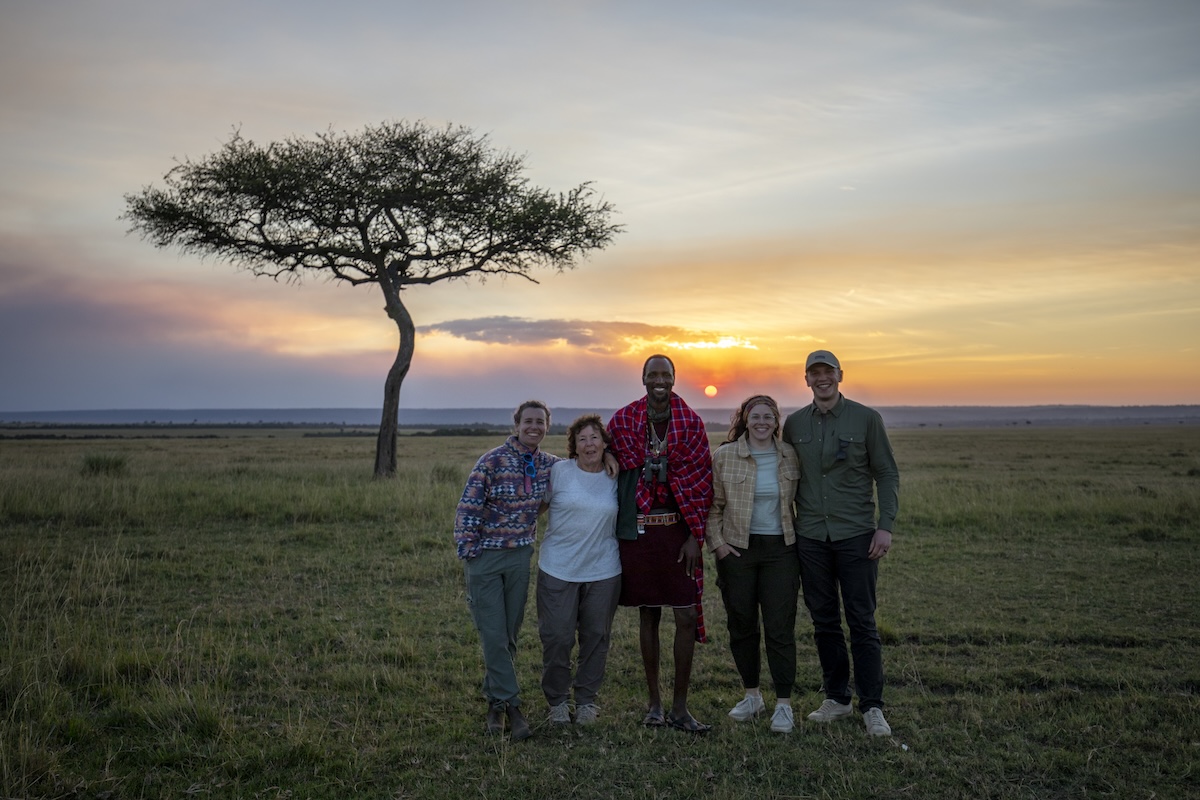
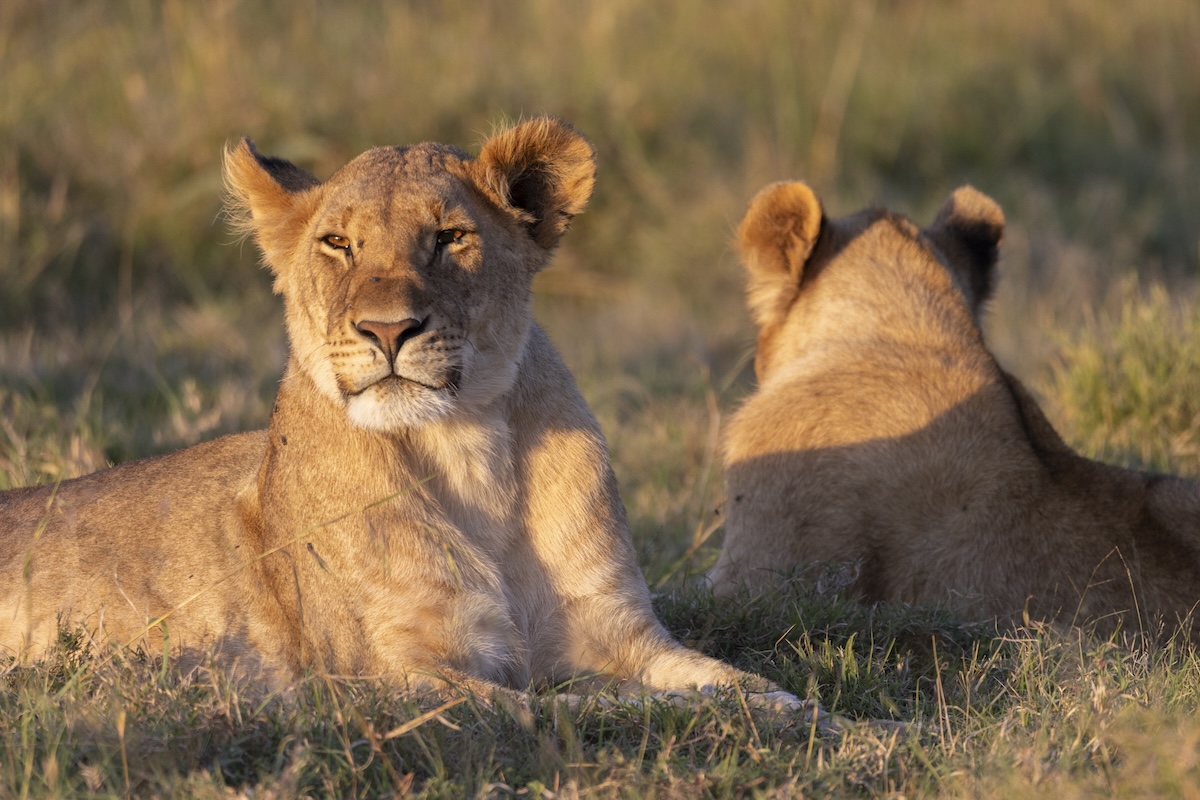
Depending on your arrival time, the afternoon game drive typically departs around 4pm. This is one of the best windows for wildlife activity; the light is golden, the temperature drops slightly, and predators that spent the middle of the day resting begin to move. For first-time visitors, the first drive is often the one they remember most clearly: the scale of the conservancy, the silence between sightings, the way Titimet or Lesisa reads the landscape and knows where to go.
If you arrive too late for a full afternoon drive, a shorter outing is often still possible. The team will work around your arrival.
Evenings at Mattikoko
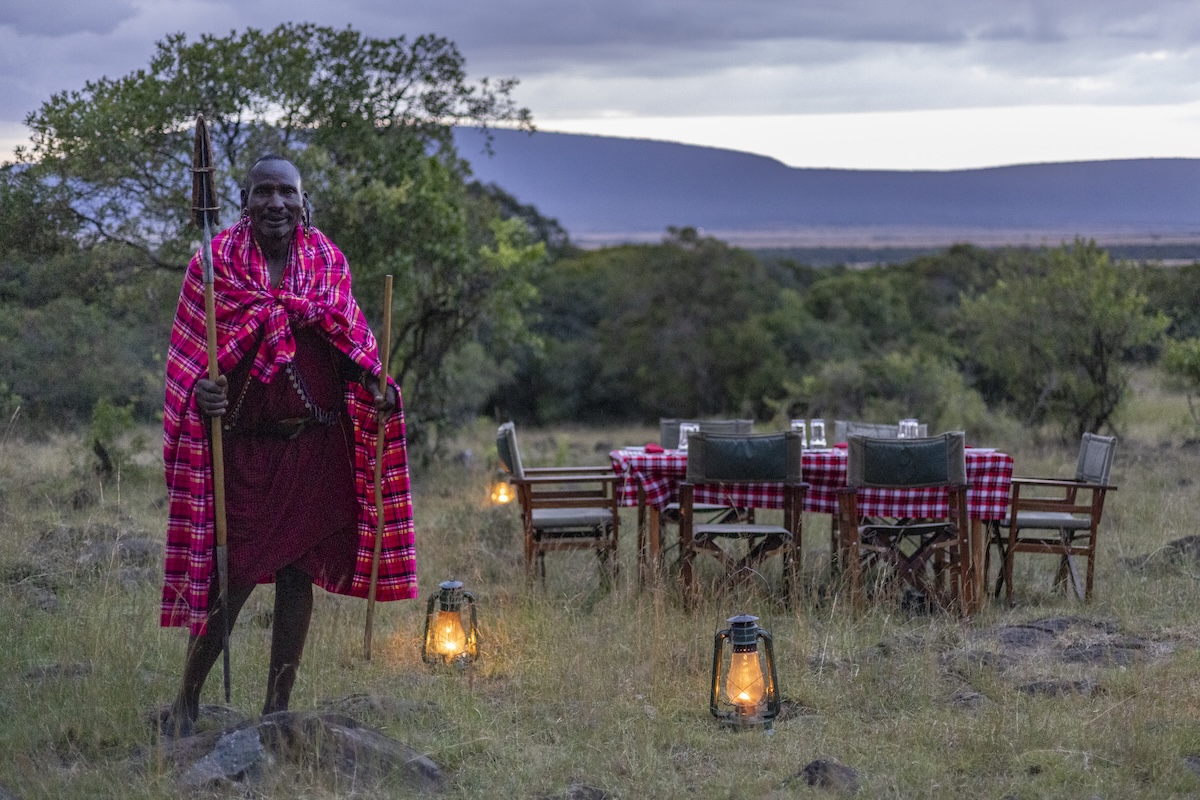
Game drives in Lemek end with sundowners, drinks in the bush as the light fades. Back at camp, dinner is served in the communal area or, on clear nights, outside under the sky. The food at Mattikoko is a consistent highlight of a stay, made from fresh ingredients sourced locally.
After dinner, the askaris are on duty. The camp is unfenced, and wildlife moves through freely. Walking between tents at night is always done with a torch and, if needed, an escort. It sounds dramatic, but it quickly becomes part of the texture of a stay; a reminder that you’re a guest in the ecosystem rather than a visitor looking at it through glass.
A few practical notes for arrival
- Dress in layers. Mornings and evenings in Lemek can be genuinely cold, particularly between June and September, while midday is warm. The shift between the two happens quickly.
- Cash in Kenyan shillings or US dollars is useful for any extras, though most things are included in your stay. Conservancy fees are paid separately and can be settled on arrival or in advance — the team will let you know.
- Mobile signal is limited in Lemek. This is, for most guests, one of the better things about the experience.
Further reading: